 You sit down at your desk with a fresh cup of coffee, ready to conquer your to-do list. But instead of sharp focus, you are met with a thick, heavy mental fog. You read the same email three times without absorbing a single word. Your memory feels sluggish, your decision-making is shot, and you have a mild, persistent irritability that you can’t quite shake.
Most people reach for another espresso, assuming their brain is just tired. But over my ten years as a health writer and wellness clinician, I have guided hundreds of clients through this exact mental slump. The most profound insight I can share with you isn’t found in a cognitive training app: the true epicenter of your focus, mood, and cognitive performance isn’t sitting between your ears. It is thriving inside your abdomen.
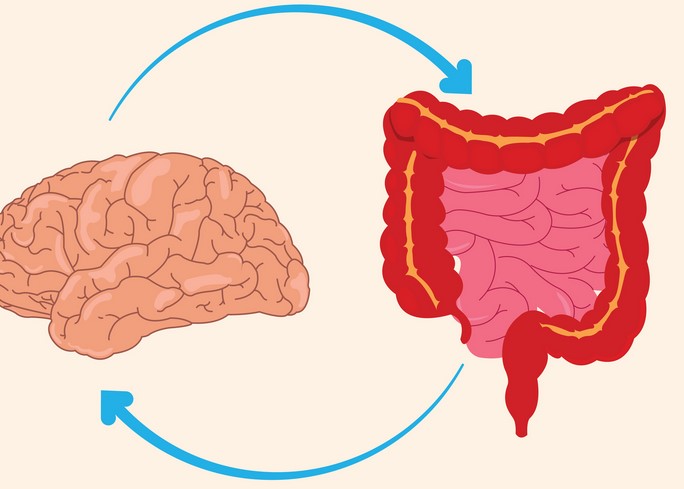
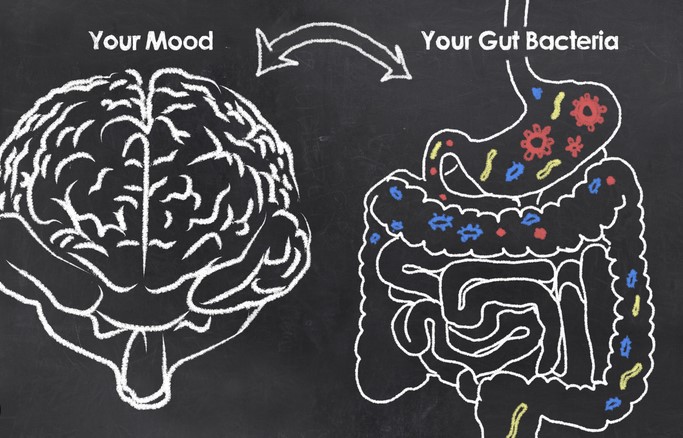
The biological link between gut health and mental clarity is changing everything we know about psychology. When your digestion is compromised, your brain chemistry changes. Let’s take a deep look into the hidden superhighway connecting your digestive tract to your thoughts, and learn how to heal your gut to unlock your mind’s true potential.
The Nervous Superhighway: Welcome to Your Second Brain
To understand how your digestion controls your focus, we have to look at an incredible anatomical structure called the enteric nervous system (ENS). Often referred to by scientists as our “second brain,” the ENS consists of more than 100 million nerve cells lining your gastrointestinal tract from your esophagus to your rectum.
The Transatlantic Cable Analogy
Think of your brain and your digestive tract as two major financial hubs separated by an ocean. Connecting them is a massive, high-speed underwater data fiber called the vagus nerve.
For decades, scientists mistakenly believed that this cable only carried commands downward from the brain to the stomach. Modern neurobiology has revealed a stunning twist: nearly 80% to 90% of the data moving through the vagus nerve travels upward from your gut to your brain. Your second brain is constantly sending status updates to your primary brain, directly shaping how you think, focus, and feel.
The Chemical Factory Inside Your Colon
Your gut is home to trillions of microscopic organisms collectively known as the gut microbiota. This bacterial ecosystem acts like a massive chemical manufacturing plant.
Crucially, these tiny microbes synthesize the vast majority of your body’s neurotransmitters—the signaling molecules your brain uses to regulate focus and emotion. In fact, an astonishing 95% of your body’s serotonin (the mood-stabilizing molecule) and a significant portion of your dopamine (the motivation and focus hormone) are produced in your gut matrix, not in your head.
The Fog Factor: How Dysbiosis and Inflammation Cloud Your Thoughts
When your digestive ecosystem is balanced, the data flowing up the vagus nerve is clean and stable. But when things go wrong downstairs, your cognitive performance suffers immediately.
1. The Perils of Dysbiosis
An unhealthy lifestyle, highly processed foods, and chronic stress cause a condition called dysbiosis—an imbalance where harmful bacteria outnumber the beneficial microbes.
These bad bacteria produce toxic byproducts known as lipopolysaccharides (LPS). When LPS levels build up, they trigger low-grade, systemic inflammation that creeps up the vagus nerve, passing through the blood-brain barrier and causing neuroinflammation. This biological wildfire is exactly what manifests as chronic brain fog, slow processing speeds, and heightened anxiety.
2. The “Leaky Gut, Leaky Brain” Reality
The lining of your intestines is supposed to be a tight, secure security fence, letting nutrients pass into your blood while keeping waste out.
When you consume a poor diet, the junctions of this fence break apart, leading to intestinal permeability (commonly called leaky gut). When undigested food particles and bacterial toxins leak into your bloodstream, your immune system launches a massive inflammatory response, disrupting your cognitive function and draining your mental stamina.
+------------------------+---------------------------------------+---------------------------------------+
| Gut Condition          | Brain Chemistry Impact                | Cognitive Symptom                     |
+------------------------+---------------------------------------+---------------------------------------+
| Balanced Microbiome    | High production of short-chain fatty  | Crisp focus, sharp memory, and stable |
|                        | acids (SCFAs) and optimal serotonin.  | emotional resilience.                 |
+------------------------+---------------------------------------+---------------------------------------+
| Microbial Dysbiosis    | Systemic inflammation; drops in       | Heavy brain fog, persistent fatigue,  |
|                        | dopamine and GABA pathways.           | and low motivation.                   |
+------------------------+---------------------------------------+---------------------------------------+
| Intestinal Permeability| Endotoxins enter the bloodstream,     | Anxiety spikes, poor focus, and mild  |
| (Leaky Gut)            | breaching the blood-brain barrier.    | cognitive exhaustion.                 |
+------------------------+---------------------------------------+---------------------------------------+
Reclaiming Your Clarity: Dietary Strategies for a Clear Mind
If you want to experience sharp, effortless focus, you have to feed your second brain the specific fuel it needs to thrive.
1. Flood Your System with Prebiotic Fiber
Prebiotics are the non-digestible fibers that act as food for your good bacteria. When your microbes ferment these fibers, they produce short-chain fatty acids (SCFAs) like butyrate. SCFAs are powerful compounds that repair the gut lining and protect your brain from inflammation.
-
Top Sources: Include raw garlic, onions, leeks, asparagus, Jerusalem artichokes, and slightly underripe bananas in your weekly meals.
2. Re-inoculate with Fermented Foods
To improve the diversity of your microbiome, you need to regularly introduce live, beneficial cultures into your digestive system.
-
The Probiotic Toolkit: Make unpasteurized kefir, kimchi, sauerkraut, kombucha, and miso regular staples of your diet.
3. Starve the Inflammatory Invaders
Harmful gut bacteria thrive on simple sugars and highly processed carbohydrates. When you consume a diet high in processed sugar, you are actively fueling the exact bacteria that trigger brain fog and mood swings. Swap out refined snacks for polyphenol-rich foods like dark berries, green tea, and extra virgin olive oil, which naturally suppress harmful microbial strains.
Expert Advice and Hidden Warnings
Healing the gut-brain axis requires looking at more than just the food on your plate.
💡 Pro Tip: Match Your Mealtime to Your Autonomic State: Your digestive tract cannot function properly if your body is trapped in a fight-or-flight sympathetic nervous state. If you eat lunch while typing an angry email, watching the news, or rushing between meetings, your stomach stops secreting gastric juices and blood is diverted away from your intestines. This causes food to sit stagnant, leading to fermentation, bloating, and immediate post-meal brain fog. Always take three slow, deep belly breaths before your first bite to shift your body into a restorative, parasympathetic state.
⚠️ Beware the Antibiotic Whiplash: While antibiotics are vital life-saving tools for treating bacterial infections, they act like a nuclear blast inside your digestive tract, wiping out both bad and good bacteria indiscriminately. A single course of broad-spectrum antibiotics can permanently alter the diversity of your microbiome if you don’t actively rebuild it. If you are prescribed antibiotics, consult your healthcare provider about taking a targeted probiotic supplement spaced a few hours away from your medication to protect your mental and digestive health.
Your Step-by-Step System to Rebuild Your Gut-Brain Connection
Ready to clear the fog and optimize your gut health and mental clarity? Follow this structured, human-centric routine for the next 14 days:
-
Step 1: Hydrate on an Empty Stomach: Drink a tall glass of filtered water right when you wake up to stimulate the migrating motor complex (MMC)—the internal sweeping wave that clears waste out of your small intestines.
-
Step 2: Apply the “30 Plants Per Week” Rule: Challenge yourself to consume 30 different plant-based foods each week. This includes vegetables, fruits, nuts, seeds, grains, and herbs. High microbial diversity is the single greatest shield against cognitive decline.
-
Step 3: Move Your Body Gently: Engage in 30 minutes of moderate exercise like walking or yoga daily. Physical movement increases gut motility and stimulates the growth of butyrate-producing bacteria that sharpen focus.
-
Step 4: Create a Digital-Free Sleep Window: Turn off your devices two hours before bed. Poor sleep cycles disrupt your gut lining just as much as poor food choices, directly lowering your mental sharpness the following morning.
Empowering Your Mind from the Inside Out
True health is never compartmentalized. You cannot treat your mind as an isolated entity while ignoring the complex ecosystem that fuels it from below. When you prioritize your digestive wellness, you aren’t just improving your digestion; you are investing in your cognitive edge, your creative spark, and your emotional stability.
By taking care of your microbiome, you clear the smoke from your mental runway, allowing your brain to process information with the speed, accuracy, and clarity you deserve.
Have you ever noticed a direct connection between your digestion and your daily energy or mood? What is one small dietary change you can make today to start feeding your good bacteria? Let me know your experiences and questions in the comments below—let’s discuss how to build a sharper mind together!