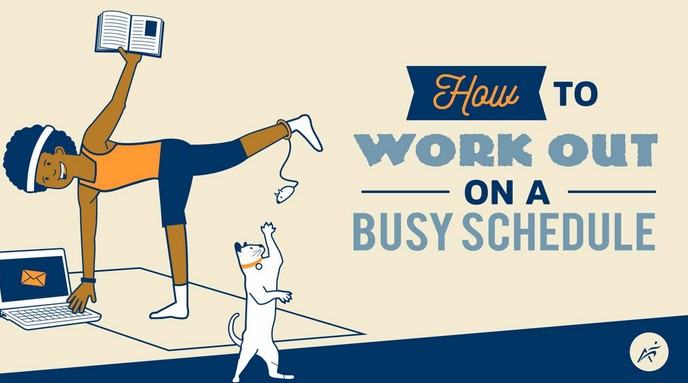
Fitness for Busy Schedules: Quick and Effective Workouts for Your Day

Source:https://www.airrosti.com

It’s 6:00 PM. You’ve just finished a marathon of back-to-back meetings, your inbox is still screaming for attention, and the thought of driving thirty minutes to a crowded gym feels less like self-care and more like a prison sentence. You tell yourself, “I’ll just go tomorrow when I have more time.” But we both know the truth: tomorrow looks exactly like today.

In my ten years of writing for the health industry, I’ve noticed a dangerous myth that keeps most people on the sidelines: the idea that a workout doesn’t “count” unless it lasts sixty minutes and involves a gallon of sweat. I’ve sat with corporate executives and busy parents alike, and the most successful ones aren’t those with the most free time—they are the ones who mastered Fitness for Busy Schedules.

The reality is that your body doesn’t have a stopwatch; it has a biological response to stress and movement. Today, I’m going to show you how to hijack that response using high-efficiency training that fits into the cracks of your calendar.


The “Espresso Shot” Philosophy: Why Intensity Trumps Duration

To understand why short workouts work, we need to look at the difference between “volume” and “intensity.”

The Coffee Analogy

Think of a standard hour-long gym session like a large Americano. It’s diluted, takes a long time to finish, and provides a steady but slow caffeine hit. Now, think of a 15-minute high-intensity session as a double shot of espresso. It’s concentrated, fast, and delivers the exact same amount of “wake-up call” to your central nervous system in a fraction of the time.

When we talk about Fitness for Busy Schedules, we are looking for that espresso shot. We want to trigger EPOC (Excess Post-exercise Oxygen Consumption), often called the “afterburn effect,” which keeps your metabolism elevated for hours after you’ve stopped moving.


The Science of Minimal Effective Dose (MED)

In pharmacology, the “Minimal Effective Dose” is the smallest amount of a drug that will produce a desired outcome. Exercise is exactly the same. You don’t need the maximum dose to see results; you need the effective dose.

For a beginner or intermediate trainee, the MED for cardiovascular and muscular health can be achieved in as little as 7 to 20 minutes, provided you are engaging in Compound Movements. These are exercises that use multiple joints and muscle groups simultaneously—like squats, push-ups, and lunges—giving you the biggest bang for your metabolic buck.


3 Strategies for Integrating Fitness into a Packed Calendar

If you’re waiting for a “clear” hour in your day, you’re waiting for a unicorn. Instead, use these three proven frameworks to build a resilient routine.

1. The EMOM Method (Every Minute on the Minute)

This is my personal favorite for busy days. Set a timer for 10 minutes. At the start of every minute, perform a set number of reps (e.g., 10 air squats). Spend the rest of that minute resting.

  • The Benefit: It builds in a “forcing function” that prevents you from scrolling through your phone between sets.

  • The Result: You get 100 reps of a movement in just 10 minutes without feeling overwhelmed.

2. Tabata Sprints

Invented by Japanese researcher Dr. Izumi Tabata, this protocol is the ultimate time-saver. It consists of 20 seconds of all-out effort followed by 10 seconds of rest, repeated eight times for a total of four minutes.

  • The Tech: This isn’t just “fast” movement; it’s an anaerobic threshold push. It improves both your aerobic and anaerobic capacity faster than a 30-minute jog.

3. The “Movement Snack”

In my decade in health, the most impactful change I’ve seen isn’t a new diet—it’s the “Movement Snack.” Instead of one long workout, you perform 2-minute bursts of activity throughout the day.

  • Morning: 2 minutes of lunges while the coffee brews.

  • Lunch: 2 minutes of desk push-ups.

  • Evening: 2 minutes of planks during a TV commercial break.


The Hidden Warning: The “All-or-Nothing” Psychological Trap

Here is an insight you won’t find in most fitness apps:.

The biggest enemy of Fitness for Busy Schedules isn’t a lack of time; it’s your own perfectionism. We have been socially conditioned to believe that if we can’t do the “perfect” workout, we might as well do nothing.

Tips Pro: When your schedule blows up, do not cancel your workout. Instead, shrink the workout. If you had 30 minutes planned but only have 5, do 5 minutes of jumping jacks. This keeps the “habit loop” alive in your brain, ensuring you don’t lose your momentum. Consistency is the compound interest of the fitness world.


Tailoring Workouts to Your Environment

You don’t need a squat rack to stay fit. In fact, for most busy professionals, the best “gym” is the one they are currently standing in.

The Office Warrior Routine (No Equipment)

If you’re stuck at your desk, try this circuit three times through:

  • 15 Chair Squats: Sit down and stand up without using your hands.

  • 10 Desk Push-ups: Hands on the edge of a sturdy desk, chest to the wood.

  • 20 High Knees: Jog in place, bringing your knees to hip height.

  • 30 Second Wall Sit: Lean against the wall in a sitting position and hold.

The “Hotel Room” Traveler Special

For those whose schedules involve constant travel, focus on Isometrics (static holds) and high-rep bodyweight work:

  • Plank: 1 minute.

  • Glute Bridges: 20 reps (to wake up the glutes after a long flight).

  • Burpees: 10 reps (for a quick heart rate spike).


Nutrition: Fueling the High-Efficiency Lifestyle

You cannot fuel an espresso-shot lifestyle with “cheap” energy. When your workouts are short and intense, your body relies heavily on muscle glycogen.

  • Prioritize Protein: Since you aren’t doing long endurance work, focus on maintaining muscle mass. Aim for a high-protein snack (like Greek yogurt or a protein shake) within 90 minutes of your quick session.

  • Hydration is Key: Dehydration can make a 10-minute workout feel like a 60-minute slog. Drink 500ml of water as soon as you wake up to prime your system.


Conclusion: Reclaiming Your Time and Health

Mastering Fitness for Busy Schedules is about shifting your identity. You are no longer someone who “doesn’t have time to work out.” You are someone who finds movement in the margins. By embracing the Minimal Effective Dose and letting go of the “hour-long” requirement, you remove the barriers to entry that have been holding you back for years.

In my ten years of experience, I’ve never seen someone regret a 10-minute workout. But I’ve seen thousands regret doing nothing. The clock is going to tick anyway—you might as well spend a few of those ticks investing in your longevity.

What is the smallest “movement snack” you can commit to today? Is it a 5-minute walk, or maybe 10 squats before dinner? Share your plan in the comments below—I’d love to hear how you’re fitting fitness into your busy life!


Disclaimer: This article provides general health information and is not a substitute for professional medical advice. Always consult with a healthcare professional before starting any new exercise program, especially if you have existing health conditions.


Substance Use Disorder Treatments: Effective Approaches to Recovery

Source:https://admin.americanaddictioncenters.org

Picture a high-functioning executive who never misses a meeting but can’t get through the evening without finishing a bottle of scotch. Or a college student who started with a prescription for a sports injury and now finds themselves scouring the dark web for illicit pills just to feel “normal.” These aren’t just moral failings or lack of willpower; they are snapshots of a hijacked brain.

In my ten years covering health and witnessing the frontlines of addiction medicine, I’ve learned one uncomfortable truth: we’ve been looking at recovery all wrong. For decades, the world treated addiction like a legal problem or a character flaw.

But as someone who has sat in on clinical rounds and interviewed hundreds of recovery specialists, I can tell you that Substance Use Disorder Treatments only work when we treat the brain like the injured organ it is. Today, we are going to explore the gold-standard approaches that actually bridge the gap between “quitting” and “thriving.”


The Hijacked Thermostat: Why Quitting is More Than “Just Saying No”

To understand modern Substance Use Disorder Treatments, you first have to understand what happens to the brain during prolonged substance use.

The Thermostat Analogy

Imagine your brain’s reward system is like a home thermostat designed to keep you at a comfortable 72°F (representing natural joy from food, friends, or hobbies). Substances like opioids, alcohol, or stimulants act like an industrial blowtorch held directly to that thermostat.

The brain, in an attempt to protect itself, cranks the AC to the max—meaning it shuts down its own natural dopamine production. Eventually, without the substance, your internal temperature drops to a freezing, miserable level. Recovery isn’t just about “putting the blowtorch away”; it’s about waiting for the brain to slowly recalibrate its own temperature settings.


The Multidisciplinary Kit: Effective Substance Use Disorder Treatments

Effective recovery is never a one-size-fits-all solution. It’s a “cocktail” of interventions that address the biological, psychological, and social aspects of a person’s life.

1. Medical Detoxification: The Safety First Approach

Detox is the process of allowing the body to clear itself of drugs or alcohol. For many, this is the most terrifying step.

  • The Technical Reality: Withdrawal from certain substances, particularly alcohol and benzodiazepines, can be fatal due to seizures.

  • The Insight: Medical detox uses specialized medications to “taper” the brain’s excitability, ensuring the patient remains stable and comfortable.

2. Medication-Assisted Treatment (MAT)

MAT is often the most misunderstood tool in the kit. Some critics argue it’s “replacing one drug with another.” Having spent years analyzing the data, I can tell you this perspective is dangerously inaccurate.

  • Buprenorphine and Methadone: These medications stabilize brain chemistry for opioid users, removing the “high” and the “withdrawal” so the person can function in a job and family.

  • Naltrexone: This blocks the euphoric effects of alcohol and opioids, essentially making the “reward” impossible to achieve.

3. Evidence-Based Behavioral Therapies

If medication stabilizes the basement, therapy builds the house.

  • Cognitive Behavioral Therapy (CBT): This helps patients identify “triggers”—the people, places, or feelings that lead to use—and develop new “wiring” to handle them.

  • Contingency Management: A system that provides tangible rewards (like vouchers) for positive behaviors, such as clean drug tests.


The Role of Dual Diagnosis in Long-Term Success

In my decade of experience, the biggest “aha!” moment for many families comes when we discuss Dual Diagnosis. Roughly half of the people struggling with a substance use disorder also have a co-occurring mental health condition, such as depression, PTSD, or ADHD.

If you treat the addiction but leave the underlying trauma or depression unaddressed, you are essentially trying to fix a leaky pipe while the house is still on fire. The most effective Substance Use Disorder Treatments are “Integrated,” meaning they treat both the mental health and the substance use simultaneously.


Inpatient vs. Outpatient: Which Path is Right?

One of the most common questions I get is: “Do I need to go away for 30 days?” The answer depends on the severity of the “blowtorch” damage and the stability of the home environment.

  • Inpatient (Residential): Provides 24/7 care. Best for those with unstable home lives or high relapse risk.

  • Outpatient (IOP/PHP): Allows the patient to live at home but spend 10–20 hours a week in the clinic. Best for those with strong support systems and lower-tier medical risks.


Expert Advice: The “Invisible” Recovery Barrier

Here is an insight that often gets buried in medical journals: The “Post-Acute Withdrawal Syndrome” (PAWS).

Many people quit, get through the first two weeks of “acute” withdrawal, and think they are in the clear. But then, three months later, they hit a wall of intense irritability, sleep issues, and a total inability to feel pleasure. This is PAWS.

Tips Pro: Don’t view a dip in mood at the 90-day mark as a sign that recovery isn’t working. It is a sign that your brain’s “thermostat” is still recalibrating. If you know this is coming, you can prepare for it with your therapist instead of being blindsided by the urge to use.


The Support System: Beyond the Doctor’s Office

Recovery doesn’t happen in a vacuum. The concept of “Recovery Capital”—the internal and external resources a person has—is a major predictor of success.

  • Mutual Support Groups (AA/NA/SMART Recovery): These provide a “social mirror.” Seeing others who have successfully navigated the same path reduces the crippling shame that often fuels relapse.

  • Family Therapy: Addiction is a “family disease.” It warps the dynamics of everyone involved. Fixing the family system is often the best way to prevent a relapse.


The Relapse Stigma

I want to offer a regarding the word “Relapse.” In our society, we often view a relapse as a total failure—the “resetting of the clock” to zero.

This is medically false. Relapse is often a part of the chronic nature of the disease, similar to how a person with asthma might have a flare-up. If a relapse occurs, it doesn’t mean the previous months of sobriety were “deleted.” It means the current treatment plan needs an adjustment. Shaming someone for a relapse often drives them further into the substance; treating it as a clinical data point leads to a faster recovery.


Conclusion: A Journey of a Thousand Re-Wires

The landscape of Substance Use Disorder Treatments has shifted from punishment to science-backed compassion. Whether you are seeking help for yourself or a loved one, remember that the brain has an incredible capacity for neuroplasticity—it can heal, but it requires the right tools, the right time, and the right support.

Recovery isn’t just about stopping a bad habit; it’s about building a life that is so fulfilling you no longer need the blowtorch to feel the heat.

Which part of the recovery process feels the most daunting to you? Is it the physical detox, the fear of losing a social circle, or the stigma of seeking help? Share your thoughts or questions in the comments below. Your perspective could be the light that someone else needs today.


Disclaimer: This article is for informational purposes only and does not substitute for professional medical advice, diagnosis, or treatment. If you or someone you know is in crisis, please contact a local emergency service or a national addiction hotline immediately.

Safe Sex Practices: Protecting Yourself and Your Partner

Source:https://www.prioritystdtesting.com

Imagine you’ve just had an incredible night with someone new. The chemistry was electric, and the connection felt real. But the next morning, a tiny, nagging voice in the back of your mind starts asking: “Are they clean?” or “Did we take too many risks?” That sudden shift from post-bliss to pre-panic is a scenario I’ve seen play out thousands of times in clinical settings and health forums over the last decade.

In my ten years as a health writer, I’ve realized that the biggest barrier to Safe Sex Practices isn’t a lack of tools—it’s the awkwardness of the conversation. We live in an age where we can track our sleep, our steps, and our calories with surgical precision, yet when it comes to the most intimate parts of our health, we often rely on “hope” as a strategy.

Statistics show that nearly half of all new STIs occur among young people aged 15-24, but the truth is, sexual health is a lifelong journey. Today, we’re stripping away the shame and diving deep into the practical, technical, and emotional layers of protecting your body and your partner.


The “Safety Net” Analogy: Why One Method Isn’t Enough

To understand how to truly protect yourself, think of your sexual health like a high-wire act. If you’re walking a tightrope, you don’t just want one thin wire; you want a safety net, a harness, and perhaps a balance pole.

In the world of Safe Sex Practices, we call this “Combination Prevention.” One method (like a condom) is excellent, but when you layer it with regular testing and vaccinations, you create a fail-safe system. If one “wire” snaps, the net is there to catch you.


Barrier Methods: More Than Just “The Basics”

When we talk about physical barriers, most people immediately think of external (male) condoms. But in my decade of field experience, I’ve noticed that many people don’t realize how much the “tech” has improved.

1. External and Internal Condoms

Condoms remain the only method that provides dual protection against both unintended pregnancy and Sexually Transmitted Infections (STIs).

  • The Technical Edge: Non-latex options like polyisoprene or polyurethane are now just as effective for those with allergies and often provide better heat transfer, making them feel more natural.

  • Internal Condoms: These offer the wearer more control and can be inserted up to eight hours before activity, removing the “stop-and-start” awkwardness that many complain about.

2. Dental Dams

This is the most overlooked tool in the kit. Many STIs, including HPV (Human Papillomavirus) and Herpes (HSV), are transmitted through skin-to-skin contact during oral sex. A dental dam—a thin sheet of latex or polyurethane—acts as that essential barrier for oral-vaginal or oral-anal contact.


The Invisible Shield: PrEP and Vaccinations

Safe sex isn’t just about what you do in the heat of the moment; it’s about what you do in the doctor’s office weeks or months before.

PrEP (Pre-Exposure Prophylaxis)

If you are at a higher risk for HIV exposure, PrEP is a game-changer. It’s a daily pill (or a bi-monthly injection) that is over 99% effective at preventing HIV through sex when taken as prescribed. I’ve spoken to many individuals who felt a massive weight of anxiety lifted once they incorporated PrEP into their routine.

Vaccinations: The Long-Term Play

You can’t “see” an immune system, but you can certainly build one.

  • HPV Vaccine: This protects against the strains of HPV that cause the majority of cervical cancers and genital warts. It is now recommended for everyone up to age 26, and even some adults up to 45.

  • Hepatitis B: A serious liver infection that can be transmitted through sexual fluids. Most of us are vaccinated as children, but it’s always worth checking your titers as an adult.


Communication: The Most Powerful Contraceptive

In my years of writing, the most frequent “insight” I’ve gained is that communication is a physical health skill. If you can’t talk about sex, you probably shouldn’t be having it.

The “Consent and Context” Talk

Before clothes come off, a simple, non-judgmental conversation can save months of medical stress. I always suggest the “Three-Question Rule”:

  1. “When was your last full STI panel?”

  2. “What are your preferred methods of protection?”

  3. “Are there any boundaries we should set right now?”

Tips Pro: Frame the conversation as a shared goal rather than an interrogation. Instead of “Have you been tested?”, try: “I just got my results back last week and I’m all clear. I’d love for us to keep things that way—where do you stand with your testing?”


Testing: The Maintenance Schedule of Your Body

If you own a car, you get an oil change every 5,000 miles. If you are sexually active, you need a “maintenance check” every 3 to 6 months (or between every new partner).

Many STIs, such as Chlamydia and Gonorrhea, are often “asymptomatic.” This means you can feel 100% healthy while a silent infection is causing internal scarring or preparing to pass to your partner.

The Technical Reality: Testing today is often as simple as a urine sample or a quick swab. You don’t always need a painful blood draw.


Hidden Warning: The “Water-Based” Rule

Here is a that I frequently see people get wrong: Never use oil-based lubricants with latex condoms.

I once consulted with a couple who couldn’t understand why their condoms kept breaking. It turned out they were using coconut oil. Oil literally dissolves latex on a molecular level within minutes. Always stick to water-based or silicone-based lubricants to ensure the integrity of your barrier remains intact.


Dealing with the “What If”: PEP and Emergency Steps

Even with the best Safe Sex Practices, accidents happen. A condom breaks, or perhaps in the heat of the moment, precautions were skipped.

  • PEP (Post-Exposure Prophylaxis): If you think you’ve been exposed to HIV, you have a 72-hour window to start PEP. It is a 28-day course of medication that can stop the virus from taking hold. The sooner you start, the better.

  • Emergency Contraception: For pregnancy prevention, the “Morning After” pill is most effective within 72 hours, but some versions (like Ella) work up to 5 days later.


Conclusion: Empowerment Through Protection

Choosing Safe Sex Practices isn’t about being “scared” or “boring.” It is an act of radical self-respect and a profound way to show care for your partner. When the fear of “what if” is removed, you are free to actually enjoy the intimacy and connection you’re seeking.

I’ve spent a decade looking at the data, and the data is clear: the most satisfying sexual lives are lived by those who feel secure in their health. You have the tools, the tech, and now the knowledge to take charge.

What’s one step you can take this week to improve your sexual health? Whether it’s booking that overdue test, ordering a new brand of barriers to try, or having “the talk” with your partner—your future self will thank you. Share your thoughts or questions below; let’s keep this vital conversation going!


Disclaimer: This article is for informational purposes only and does not substitute for professional medical advice, diagnosis, or treatment. Always seek the advice of your physician or a qualified sexual health clinic with any questions you may have regarding a medical condition.

Understanding the Gut-Brain Connection: How Your Digestive Health Affects Your Mind

Source:https://news.stanford.edu

Have you ever felt “butterflies” in your stomach before a big presentation? Or perhaps you’ve noticed that during periods of high stress, your digestion seems to completely shut down or go into overdrive? That isn’t just a coincidence, and it’s not “all in your head.”

It is actually a sophisticated, lightning-fast conversation happening between your intestines and your brain. In my ten years of writing for the health industry and consulting with nutritionists, I’ve seen thousands of people treat their anxiety and their bloating as two separate problems.

But here is the reality: your gut is often the “lead singer” in the orchestra of your mental health, and your brain is simply following the tune. Today, we are going to dive deep into the Gut-Brain Connection to understand why a healthy mind starts with a healthy plate.

The Second Brain: Meet Your Enteric Nervous System

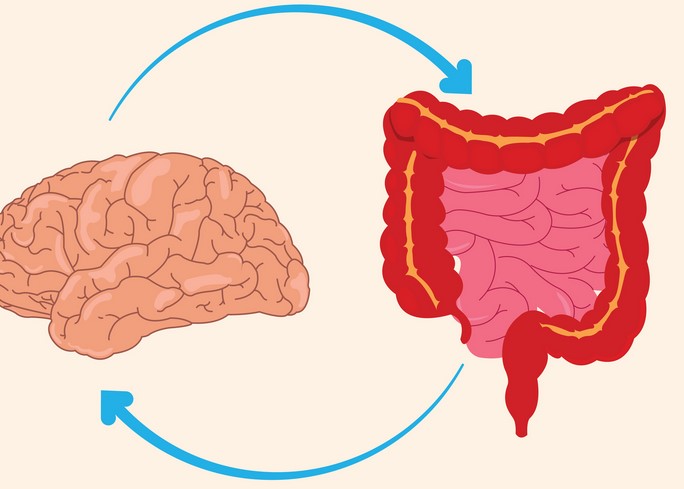
Inside the lining of your digestive system lies a hidden network of more than 100 million nerve cells. This is called the Enteric Nervous System (ENS). While it won’t help you solve a math equation, its primary job is to communicate with the brain in your skull, influencing your mood, your decisions, and your stress levels.

The Telephone Line Analogy

Think of the Gut-Brain Connection like a high-speed fiber-optic telephone line called the Vagus Nerve. This nerve runs directly from your brainstem to your abdomen.

For a long time, scientists thought the brain did all the talking. We now know that 90% of the fibers in the vagus nerve are actually sending information from the gut up to the brain. Your gut is effectively a “data center” that tells your brain how to feel.

The Microbiome: The Microscopic Mood Regulators

When we talk about the gut, we are really talking about the Microbiome—the trillions of bacteria, fungi, and viruses living in your digestive tract.

In my decade of experience, the most mind-blowing insight I’ve encountered is the production of neurotransmitters. You might think of Serotonin as a “brain chemical,” but roughly 95% of your body’s serotonin is actually produced in your gut. If your gut bacteria are out of balance (a state called Dysbiosis), your brain literally lacks the raw materials it needs to maintain a stable, happy mood.

Key Players in Your Gut Ecosystem:

  • Lactobacillus and Bifidobacterium: Often linked to lower anxiety levels.

  • Short-Chain Fatty Acids (SCFAs): Produced when bacteria ferment fiber; these help protect the blood-brain barrier.

  • GABA: A calming neurotransmitter produced by certain gut microbes that helps “quiet” a racing mind.

How Inflammation Bridges the Gap

If you’ve ever had “brain fog”—that feeling where you can’t focus and your thoughts feel like they’re moving through molasses—you are likely experiencing the Gut-Brain Connection via inflammation.

When the gut lining becomes compromised (often called Leaky Gut or increased intestinal permeability), inflammatory markers can leak into the bloodstream. These markers can cross into the brain, triggering “neuroinflammation.” This is why a weekend of eating highly processed, sugary foods often leads to a Monday morning filled with irritability and lack of focus.

Tips Pro: If you are struggling with chronic brain fog, stop looking for “brain boosters” and start looking at your fiber intake. Aim for 30 different types of plant-based foods per week. Diversity in your diet equals diversity in your microbiome, which acts as a “buffer” against cognitive decline.

Stress: The Gut’s Greatest Enemy

Communication on the Gut-Brain Connection is a two-way street. Chronic stress triggers the “fight or flight” response, which diverts blood flow away from the digestive system.

When you eat while stressed, your body cannot produce enough digestive enzymes. This leads to undigested food, which feeds the “bad” bacteria, creating gas and bloating. This physical discomfort then sends a signal back up the vagus nerve to the brain: “Something is wrong!” This creates a feedback loop of anxiety and indigestion that can be incredibly difficult to break without intervention.

Practical Steps to Optimize Your Gut-Brain Connection

You don’t need a PhD in microbiology to start healing your gut. It starts with small, consistent changes to your daily environment.

1. Prioritize Fermented Foods

Probiotics found in yogurt, kefir, sauerkraut, and kimchi are like “restocking the shelves” of your gut pharmacy. These live cultures help crowd out the bacteria that contribute to low mood and sugar cravings.

2. Feed the “Good Guys” with Prebiotics

Probiotics are the workers; Prebiotics are the food they eat. Garlic, onions, leeks, and slightly under-ripe bananas are rich in inulin and fiber that keep your mood-regulating bacteria thriving.

3. Practice Mindful Eating

Because the brain and gut are so tightly linked, how you eat is just as important as what you eat. Taking three deep breaths before a meal signals to the vagus nerve that it is safe to enter “rest and digest” mode.


Hidden Warning: The “Antibiotic Aftermath”

Here is a piece of expert advice you won’t always find in a standard health brochure:

While antibiotics are life-saving tools, a single course can wipe out a significant portion of your gut’s microbial diversity. I have observed a consistent pattern where patients report a “dip” in their mental health 2-4 weeks after finishing a course of antibiotics.

If you must take them, you must be aggressive with your recovery. Use a high-quality, multi-strain probiotic and double your intake of fermented foods for at least a month afterward to “re-seed” your internal garden.


The Role of Sleep and the Microbiome

Did you know your gut bacteria have a circadian rhythm? Just like you, they need sleep.

Disrupted sleep patterns change the composition of your microbiome within as little as 48 hours. This shift often leads to increased cravings for high-calorie, sugary foods—the very foods that fuel “bad” bacteria and lead to mood crashes. Sleep isn’t just for your brain; it’s the time when your gut performs “janitorial work” to clear out waste.

Conclusion: Healing the Mind by Healing the Gut

The Gut-Brain Connection proves that we cannot treat mental health in a vacuum. Your digestive health is the foundation upon which your psychological well-being is built. By choosing whole, fiber-rich foods, managing your stress, and respecting your internal ecosystem, you aren’t just avoiding a stomach ache—punishing your anxiety and fueling your joy.

In my decade of practice, the most successful health transformations didn’t come from a “magic pill,” but from the realization that every bite of food is a message to the brain.

Have you ever noticed your mood shift after a change in your diet? Or perhaps you’ve felt that “gut instinct” when making a hard decision? I’d love to hear your experiences with the gut-brain link in the comments below. Let’s start a conversation about how we can eat our way to a clearer mind!


Disclaimer: This article is for informational purposes only and does not replace professional medical advice, diagnosis, or treatment. Always seek the advice of your physician or other qualified health provider with any questions you may have regarding a medical condition or diet.

Fitness Plans for Men Over 40: Tailored Routines for Strength and Vitality

Source:https://cdn.betterme.world

You’re leaning over to tie your shoes, and suddenly, your lower back lets out a sharp “ping” that stays with you all day. Or maybe you’ve noticed that the same diet and casual jogging routine that kept you lean in your 20s now feels like it’s doing absolutely nothing to the stubborn spare tire around your waist.

If this feels familiar, you aren’t “over the hill”—you’re just operating on a different operating system now. After a decade of coaching and writing about men’s physiology, I’ve seen thousands of men hit the “Wall of 40.”

Statistically, men begin to lose about 3% to 5% of their muscle mass per decade after age 30, a process called sarcopenia. But here is the good news: the right Fitness Plans for Men Over 40 can not only stop that slide but actually reverse your biological age, making you stronger and more energetic than the version of yourself from ten years ago.


The “Vintage Sports Car” Logic: Why Your Training Must Shift

To succeed in your 40s and beyond, we have to change your mental framework. I often tell my clients that training at 45 is like maintaining a vintage sports car.

The Engine Analogy

In your 20s, you were a brand-new sedan. You could skip the oil changes (warm-ups), redline the engine every day (max-effort lifting), and run on cheap fuel (junk food) without much consequence.

At 40+, you are a classic Porsche. You still have incredible power and speed under the hood, but the gaskets are older, and the suspension is more sensitive. You need a higher grade of fuel, a longer warm-up to get the oil flowing, and a smarter maintenance schedule. If you treat the Porsche like a disposable sedan, you’ll end up in the shop. If you treat it with respect, it will outperform everything else on the road.


The Core Pillars of Fitness Plans for Men Over 40

A balanced routine at this stage isn’t just about “lifting heavy.” It’s about hormonal optimization and joint longevity. Here is what I’ve found to be non-negotiable in a successful plan:

1. Resistance Training for Hormonal Health

Muscle is the “organ of longevity.” Lifting weights isn’t just for aesthetics; it’s the primary way to naturally boost Testosterone and Growth Hormone levels.

  • Focus on Compound Movements: Squats, deadlifts, and presses engage multiple muscle groups and stimulate a greater systemic response.

  • Frequency: Aim for 3 to 4 days a week. Your muscles need more time to recover than they used to, so “every day is chest day” is a recipe for burnout.

2. Prioritizing Zone 2 Cardio

High-Intensity Interval Training (HIIT) is popular, but for men over 40, too much HIIT can spike Cortisol (the stress hormone), which actually encourages belly fat storage.

Instead, I advocate for Zone 2 Training—steady-state cardio where you can still hold a conversation. Think of this as “cleaning the pipes” for your mitochondria. It builds endurance without taxing your central nervous system.


Tailored Routines: From Beginner to Intermediate

When I design these programs, I look for the highest ROI (Return on Investment). You have a career, a family, and a life; you can’t live in the gym.

The Beginner Starting Point (Months 1–3)

If you’re coming off the couch, your goal is Structural Integrity. We need to wake up dormant muscles before we load them with weight.

  • Day 1: Full Body Strength (Bodyweight squats, push-ups, planks).

  • Day 2: 30-minute brisk walk (Zone 2).

  • Day 3: Rest or active recovery (stretching).

  • Day 4: Full Body Strength (Lunges, rows, glute bridges).

The Intermediate Pivot (Months 3+)

Once your joints are “greased,” we move to Hypertrophy and Strength.

  • The 3-Day Split: Push / Pull / Legs.

  • The Rep Range: Stay in the 8–12 rep range. It’s the “sweet spot” for building muscle without putting excessive strain on your tendons and ligaments.


The “Secret Sauce”: Mobility and Recovery

In my years in the field, I’ve noticed that the men who stay fit the longest aren’t the ones lifting the most weight—they are the ones with the best Functional Mobility.

As we age, our collagen fibers become more “cross-linked,” which translates to stiffness. If you don’t use your full range of motion, you lose it. Adding just 10 minutes of mobility work (focusing on hips and shoulders) to your daily routine is the equivalent of adding WD-40 to your joints.

Tips Pro: Invest in a foam roller or a lacrosse ball. Using these tools to perform Self-Myofascial Release before a workout can improve blood flow and “unstick” tight fascia, significantly reducing your injury risk.


Hidden Warning: The “Ego Lifting” Trap

Here is a hard truth I’ve observed from watching thousands of gym sessions: Your ego is your greatest liability.

Men in their 40s often try to match the numbers they hit in college. This leads to “compensatory patterns”—where your lower back takes the load because your hamstrings are tight.

If you feel a “sharp” or “electric” pain during a lift, stop immediately. At 25, you might walk it off in two days. At 45, that “electric” feeling could be a herniated disc or a torn labrum that puts you out for six months. Train for the decade, not the day.


Nutrition and Supplementation for the 40+ Man

You cannot out-train a poor diet once your metabolism begins its natural slowdown. Fitness Plans for Men Over 40 are 50% what you do in the gym and 50% what you put in your mouth.

  • Protein is King: Aim for 1.6g to 2g of protein per kilogram of body weight. This is essential to trigger Muscle Protein Synthesis.

  • Fiber for Gut Health: A healthy microbiome is linked to lower inflammation. Load up on cruciferous vegetables.

  • Supplements: Consider Creatine Monohydrate (it’s the most researched supplement for both muscle and brain health) and Vitamin D3/K2 to support bone density and hormonal function.


Conclusion: It’s Time to Reclaim Your Vitality

Starting a new fitness journey at 40, 50, or 60 isn’t about chasing your younger self; it’s about becoming the most capable version of your current self. By shifting from high-impact, high-stress training to a strategy centered on compound strength, cardiovascular efficiency, and mobility, you are setting yourself up for a high-quality life for decades to come.

I’ve seen men transform from sluggish and “achily” to vibrant and athletic in just six months of consistent, tailored effort. The Porsche is still in the garage—it just needs the right tune-up.

What is the biggest hurdle holding you back from starting your routine? Is it time, old injuries, or just not knowing where to begin? Share your thoughts in the comments below—I read every single one and would love to help you navigate your path to strength.


Disclaimer: This article provides general health information and is not a substitute for professional medical advice. Always consult with a physician before starting a new exercise program, especially if you have underlying health conditions.

Habit Stacking for Health: Boost Your Wellness with Simple Habits

Source:https://inews.co.uk

You wake up with the best intentions. Today is the day you finally drink two liters of water, meditate for twenty minutes, and hit the gym. But then the coffee pot beeps, your phone pings with urgent emails, and by 10:00 AM, your wellness goals are buried under a mountain of “real life.”

If this sounds familiar, you aren’t lazy. You are simply fighting against the way your brain is wired. In my ten years as a health writer, I’ve seen thousands of people fail not because they lacked willpower, but because they tried to build a skyscraper on a foundation of sand.

The secret to sustainable wellness isn’t a massive lifestyle overhaul. It’s a neurological shortcut called Habit Stacking for Health. By hitching new, healthy behaviors onto the back of things you already do automatically, you stop fighting your brain and start using it to your advantage.

The Science of Synapses: Why Your Brain Loves a Free Ride

To understand why habit stacking is so effective, we have to look at synaptic pruning. Your brain is constantly optimizing its neural pathways. Habits you do every day—like brushing your teeth or scrolling your phone—have “high-speed” neural connections.

When you try to start a completely new habit from scratch, your brain has to build a brand-new, bumpy dirt road. That takes massive amounts of cognitive energy. Habit stacking, however, allows you to “piggyback” on an existing high-speed highway.

The Train Station Analogy

Think of your daily routine like a train station. Your established habits are trains that depart on time, every single day. If you want to get a new behavior to its destination, don’t try to build a whole new track. Just couple your “Wellness Car” to a train that is already leaving the station.

If you already drink coffee every morning (the train), and you want to start taking vitamins (the new car), you simply couple them together: “After I pour my coffee, I will take my vitamins.”

How to Build Your First Habit Stacking for Health Routine

The formula for Habit Stacking for Health is deceptively simple:

After/Before [Current Habit], I will [New Health Habit].

Step 1: Identify Your “Anchor” Habits

In my experience, the best anchors are the things you do without thinking, regardless of how busy you are. These usually include:

  • Waking up

  • Brushing your teeth

  • Boiling the kettle

  • Sitting down at your desk

  • Putting on your pajamas

Step 2: Choose a “Micro-Habit”

The biggest mistake I see beginners make is choosing a new habit that is too large. If your goal is to exercise more, don’t stack “going to the gym” after “drinking coffee.” That’s too big of a leap. Instead, stack “doing five squats.”

Step 3: Create the Neurological Link

Write it down. There is a powerful connection between the physical act of writing and the prefrontal cortex, which handles executive function. “After I close my laptop for the day, I will do two minutes of stretching.”

3 Powerful Stacks to Transform Your Daily Wellness

I have personally tested dozens of combinations over the years. Here are the three most effective stacks for boosting physical and mental health:

1. The Hydration Station

  • The Anchor: Turning on the coffee maker.

  • The New Habit: Drinking a full glass of water.

  • Why it works: Most of us are dehydrated after sleep. By linking water to your caffeine fix, you ensure your body is primed for the day before the first sip of espresso hits your tongue.

2. The Mindfulness Trigger

  • The Anchor: Waiting for your computer to boot up or for a Zoom call to start.

  • The New Habit: Practicing three deep diaphragmatic breaths.

  • Why it works: This activates the parasympathetic nervous system, lowering your cortisol levels before you dive into the stress of the workday.

3. The Posture Reset

  • The Anchor: Every time you refill your water bottle.

  • The New Habit: Doing three shoulder rolls and a chest stretch.

  • Why it works: This combats “tech neck” and opens up the thoracic spine, preventing long-term musculoskeletal issues common in office workers.

Pro Tip: Location is everything. If you want to stack “flossing” after “brushing,” don’t keep the floss in the drawer. Put it right on top of your toothbrush. Visual cues are the “fuel” for your new habit car.

The “Invisible” Danger: Choosing the Wrong Anchor

In my decade in the health niche, I’ve discovered a “hidden warning” that most gurus miss: Avoid “Emotional Anchors.”

Many people try to stack habits after things like “feeling stressed” or “getting home from work.” The problem? These aren’t consistent. Some days you aren’t stressed, and some days you work from a cafe.

For Habit Stacking for Health to stick, your anchor must be a physical action, not a feeling. If you rely on a feeling, your habit will disappear the moment your mood changes. Stick to the “concrete” triggers like physical objects or specific times of day.

Scaling Up: From Micro-Habits to Lifestyle Change

Once a stack feels so automatic that you feel “weird” if you don’t do it, you have successfully formed a neural pathway. Now, you can add another car to the train.

Let’s say your stack was: After I brush my teeth, I will do two minutes of meditation.

Once that is solid, you can scale it: After I brush my teeth, I will meditate for two minutes, and then I will do five push-ups.

This is how people who “seem” to have it all together actually function. They aren’t using more willpower than you; they just have longer, more efficient “habit trains” running through their day.

Troubleshooting Your Habit Stack

If your stack keeps falling apart, don’t blame yourself. Check these three things:

  • Is the new habit too hard? Shrink it until it’s impossible to say no to. One push-up is better than zero.

  • Is the anchor specific enough? Instead of “After lunch,” try “After I put my dirty plate in the dishwasher.”

  • Is the frequency right? Don’t try to stack a “once a week” habit onto a “five times a day” anchor.

Conclusion: Start Your First Stack Today

Wellness doesn’t have to be a battle. By utilizing Habit Stacking for Health, you stop swimming against the current and start letting your biology do the heavy lifting. You are already doing dozens of things every day—why not make them work for your health?

I’ve seen this simple shift change lives more effectively than any “30-day shred” or “detox” ever could. It’s about the quiet, compounding power of the 1% gains.

What is one habit you’ve been struggling to start? Pick a “train” that’s already leaving your station today and couple that habit to it. Share your new habit stack in the comments below—I’d love to help you refine it!


Disclaimer: This article is for educational purposes and does not substitute for professional medical advice. Always consult with a healthcare provider before starting a new exercise or supplement routine.