
Healthy Recipes for Every Meal: Simple and Nutritious Ideas

Healthy Recipes are essential for maintaining energy, supporting overall wellness, and promoting long-term health. Eating nutritious meals does not have to be complicated or time-consuming; with the right ingredients and a few creative ideas, anyone can prepare meals that are both delicious and balanced. From breakfast to dinner, and even snacks, incorporating a variety of nutrient-dense foods ensures that the body receives the vitamins, minerals, and macronutrients it needs to function optimally. By exploring simple and practical options, it becomes easier to build a sustainable eating routine that supports both taste and health.

Breakfast: Fuel for a Productive Day

The first meal of the day sets the tone for energy levels, focus, and metabolism. Healthy breakfast recipes focus on combining protein, fiber, and healthy fats to keep you full and energized until your next meal.

One simple option is a Greek yogurt parfait layered with fresh berries, chia seeds, and a sprinkle of nuts. This combination provides protein, antioxidants, and omega-3 fatty acids while maintaining low added sugars. Another easy idea is avocado toast on whole-grain bread topped with poached eggs and a pinch of spices, which delivers complex carbohydrates, healthy fats, and essential vitamins.

Smoothies are also versatile breakfast options. A blend of spinach, frozen berries, banana, and plant-based protein powder creates a nutrient-dense drink that can be consumed on-the-go. Adding seeds such as flax or hemp further boosts fiber and protein content, supporting digestive health and prolonged satiety.

For those preferring a warm start, oatmeal can be transformed into a nutrient powerhouse. Cooked with milk or a dairy-free alternative, oats can be topped with cinnamon, nuts, and fruit. This combination offers complex carbohydrates, antioxidants, and micronutrients like magnesium and potassium, providing sustained energy throughout the morning.

Lunch and Dinner: Balanced, Satisfying Meals

Lunch and dinner are opportunities to incorporate a wider range of nutrients, emphasizing lean proteins, whole grains, and colorful vegetables. Simple recipes can be both satisfying and easy to prepare, eliminating the need for processed foods.

One example is a quinoa salad with roasted vegetables, chickpeas, and a lemon-tahini dressing. Quinoa provides complete protein and fiber, while roasted vegetables supply vitamins, minerals, and antioxidants. Chickpeas add an extra protein boost and help maintain stable blood sugar levels. This recipe is ideal for meal prepping, as it can be stored in portions and enjoyed throughout the week.

Stir-fries are another convenient option. Using a mix of seasonal vegetables, lean protein such as chicken or tofu, and a light sauce made from soy sauce, ginger, and garlic creates a quick and nutritious meal. Serving the stir-fry over brown rice or cauliflower rice ensures a balance of complex carbohydrates and fiber while keeping the meal satisfying.

Sheet-pan meals are perfect for those with limited time. Placing salmon, sweet potatoes, and broccoli on a single tray, lightly seasoned with herbs and olive oil, allows for easy cleanup and a nutrient-rich dinner. Salmon is high in omega-3 fatty acids, sweet potatoes provide complex carbohydrates and vitamin A, and broccoli delivers fiber and antioxidants—all essential components for overall health.

Healthy Snacking and Dessert Ideas

Healthy Recipes are not limited to main meals; snacks and desserts can also be nutritious and indulgent. Simple options like hummus with vegetable sticks, roasted chickpeas, or mixed nuts provide protein, fiber, and healthy fats while reducing reliance on processed snacks.

For dessert, fruit-based treats such as baked apples with cinnamon or chia pudding with coconut milk offer natural sweetness and additional nutrients. Incorporating these options into daily routines encourages balanced eating and helps prevent overconsumption of sugar-laden foods, which can affect energy and metabolism.

In addition, preparing snacks in advance ensures they are convenient when hunger strikes. Portioning nuts, cutting vegetables, or preparing energy balls with oats, nut butter, and honey allows for quick access to satisfying and health-supportive options.

Practical Tips for Incorporating Healthy Recipes

To make healthy cooking sustainable, it is helpful to plan meals ahead of time, use seasonal ingredients, and embrace simple cooking techniques such as steaming, roasting, or sautéing. Batch cooking and meal prepping reduce stress during busy weeks and ensure that nutritious meals are always available.

Balancing macronutrients—protein, carbohydrates, and fats—in every meal helps maintain energy levels and supports bodily functions. Including a variety of colors on the plate ensures an array of micronutrients, antioxidants, and fiber. Lastly, being mindful of portion sizes and eating slowly enhances digestion and prevents overeating.

In conclusion, Healthy Recipes provide practical and delicious ways to nourish the body from morning to night. By focusing on nutrient-dense ingredients, simple preparation methods, and balanced meals, individuals can support energy, mental clarity, and overall well-being. Incorporating a variety of proteins, vegetables, whole grains, and healthy fats into daily routines ensures that eating healthily is both enjoyable and sustainable, making long-term wellness achievable for everyone.
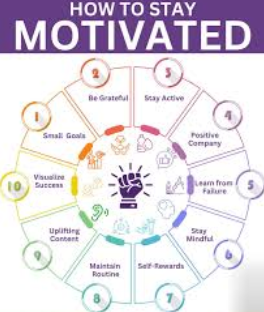
Mindset for Success: How to Stay Motivated and Healthy

Mindset for Success is often described as the mental framework that drives individuals to achieve their goals while maintaining overall well-being. Success is not solely determined by talent or opportunity—it is heavily influenced by how a person approaches challenges, maintains focus, and sustains motivation over time. Cultivating a mindset that balances ambition with self-care enables individuals to pursue goals without compromising health, emotional resilience, or personal satisfaction. Understanding the principles behind this mindset can help anyone develop sustainable strategies for both professional achievement and holistic wellness.
The Foundations of a Successful Mindset

A Mindset for Success begins with self-awareness. Understanding one’s strengths, weaknesses, triggers, and motivators is essential for effective goal setting and sustained effort. Individuals who are self-aware are better able to make informed choices about their priorities, allocate energy efficiently, and maintain focus on what truly matters. Self-awareness also reduces the likelihood of burnout, as individuals can recognize early signs of stress or fatigue and take proactive steps to address them.

Another key foundation is goal clarity. Clear, actionable goals provide direction and motivation, helping individuals navigate distractions and maintain momentum. Effective goal-setting incorporates both short-term milestones and long-term aspirations, creating a roadmap that is both achievable and inspiring. Breaking larger objectives into smaller, measurable steps encourages a sense of progress and builds confidence, reinforcing a positive mindset.

Resilience is also a critical component. Challenges, setbacks, and unexpected obstacles are inevitable, but individuals with a success-oriented mindset approach these difficulties as opportunities for growth. They cultivate problem-solving skills, adaptability, and emotional regulation, which enables them to recover quickly from setbacks and maintain consistent progress toward their objectives.

The Role of Motivation and Discipline

Sustaining motivation requires more than willpower; it is strengthened through habits, routines, and intentional practices. Developing daily routines that align with personal goals helps convert abstract ambitions into actionable steps. For instance, dedicating specific times for exercise, focused work, or mindfulness practices creates structure that supports productivity and health simultaneously.

Intrinsic motivation—engaging in activities that are inherently rewarding—plays a significant role in sustaining long-term commitment. While external rewards, such as recognition or financial gain, can provide short-term drive, internal satisfaction and purpose are more effective for cultivating persistence and avoiding burnout. Aligning personal values with daily actions reinforces commitment and deepens engagement in meaningful pursuits.

Discipline complements motivation by ensuring consistent effort even when enthusiasm wanes. Establishing accountability measures, such as tracking progress, setting deadlines, or collaborating with peers, can help maintain momentum. By integrating discipline into daily routines, individuals develop a sustainable approach to achieving goals without sacrificing physical or emotional health.

Integrating Health into Success Strategies

A Mindset for Success is incomplete without attention to holistic health. Physical wellness supports cognitive function, energy, and resilience, all of which are critical for sustained performance. Regular exercise, balanced nutrition, and adequate sleep create the foundation for consistent mental clarity and emotional stability.

Exercise, for example, not only improves cardiovascular health and strength but also reduces stress and enhances mood. Physical activity releases endorphins, improves focus, and fosters better sleep quality. Nutrition provides the fuel necessary for optimal cognitive performance and energy management, while sleep supports memory consolidation, emotional regulation, and overall recovery.

Mental health practices are equally important. Mindfulness, meditation, or journaling can reduce stress, improve focus, and enhance self-reflection. By incorporating these practices into daily routines, individuals cultivate a calm and resilient mindset that allows them to navigate challenges effectively while maintaining balance.

Work-life balance is another vital factor. Overemphasis on achievement at the expense of personal relationships, recreation, or rest can lead to burnout and decreased productivity over time. Successful individuals recognize the importance of integrating social connection, leisure, and self-care into their routines, which supports sustained motivation and overall satisfaction.

Long-Term Benefits of a Success-Oriented Mindset

Cultivating a Mindset for Success offers lasting benefits beyond immediate goal attainment. Individuals who maintain this mindset often experience greater emotional resilience, improved problem-solving skills, and enhanced confidence in their ability to navigate challenges. Over time, these qualities reinforce a cycle of achievement, well-being, and personal growth.

Additionally, integrating health-conscious practices with goal-oriented strategies fosters a sustainable approach to success. Rather than relying on short-term bursts of effort that lead to exhaustion, individuals develop routines and habits that support consistent progress and long-term vitality. This holistic approach ensures that professional achievements do not come at the expense of physical or mental health.

A success-oriented mindset also promotes adaptability. Life circumstances, goals, and priorities inevitably change, but individuals who cultivate resilience, self-awareness, and disciplined habits are better equipped to adjust without losing momentum. This flexibility is essential for long-term fulfillment and maintaining a balanced, healthy lifestyle.

In conclusion, a Mindset for Success is a comprehensive framework that combines self-awareness, goal clarity, resilience, and health-conscious practices to sustain motivation and well-being. By cultivating mental discipline, aligning actions with personal values, and integrating physical and emotional health into daily routines, individuals can achieve their objectives without compromising overall wellness. Developing this mindset enables a balanced, empowered, and sustainable approach to both success and health, allowing individuals to thrive in all aspects of life.

How Wearables for Biohacking Are Revolutionizing Health

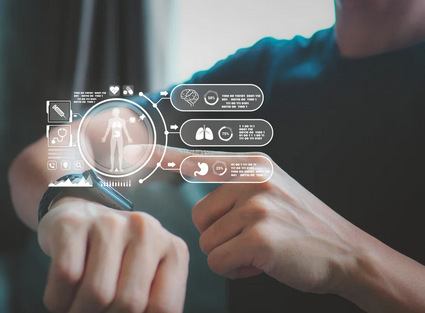
Wearables for Biohacking are transforming the way individuals approach personal health and wellness, offering real-time insights into everything from sleep patterns and heart rate to stress levels and metabolic function. By integrating advanced sensors, data analytics, and AI-powered feedback, these devices enable users to monitor their bodies continuously and make data-driven decisions to optimize performance, recovery, and overall well-being. Unlike traditional health tools that rely on occasional check-ups or self-reported metrics, biohacking wearables provide a granular, personalized perspective that empowers proactive health management.

Understanding the Role of Biohacking Wearables

Biohacking involves using science, technology, and lifestyle modifications to enhance physical and cognitive performance. Wearables for biohacking are central to this movement because they offer quantifiable data that helps users understand how their bodies respond to different stimuli. These devices are designed to track biometrics such as heart rate variability (HRV), oxygen saturation, glucose levels, body temperature, and even hormone fluctuations, providing insights into sleep quality, stress adaptation, and energy optimization.

One key advantage of these devices is continuous monitoring. While a doctor’s visit provides a snapshot of health at a single point in time, wearables collect longitudinal data, highlighting trends and patterns that would otherwise go unnoticed. This allows users to identify triggers for fatigue, stress, or poor performance and adjust behaviors proactively rather than reactively.

The data from biohacking wearables can also guide personalized interventions. For example, tracking sleep cycles combined with HRV measurements may reveal the optimal time for high-intensity workouts or deep work sessions. Similarly, glucose monitoring can help individuals refine dietary choices for sustained energy and metabolic efficiency. By making these physiological insights actionable, wearables bridge the gap between knowledge and lifestyle change.

The Technology Behind Wearables

Modern biohacking wearables integrate multiple layers of technology to capture and analyze data accurately. Sensors detect electrical, optical, and mechanical signals from the body, converting them into usable metrics. Advanced algorithms interpret these metrics, offering insights into patterns such as circadian rhythm alignment, stress response, and cardiovascular health.

Many devices also incorporate AI-powered coaching. Rather than merely presenting raw data, they provide actionable suggestions to improve sleep, recovery, or physical performance. For instance, an AI-guided wearable may recommend adjusting bedtime based on sleep quality trends, or suggest hydration and movement breaks in response to elevated stress indicators.

Connectivity is another significant advantage. Wearables often sync with smartphones or cloud-based platforms, allowing users to track long-term progress, share insights with healthcare professionals, and integrate multiple health metrics into a single personalized dashboard. This holistic view helps individuals make informed decisions about exercise, nutrition, mental health, and recovery practices.

Practical Applications and Benefits

Wearables for biohacking are applied across multiple domains of health and wellness, making them versatile tools for both casual users and serious performance enthusiasts. In physical fitness, these devices optimize training by tracking heart rate zones, recovery times, and energy expenditure. They help prevent overtraining and reduce the risk of injury by indicating when the body needs rest.

Cognitive health also benefits from wearable biohacking. Devices that monitor sleep, stress levels, and brainwave activity can guide interventions to improve focus, creativity, and emotional regulation. Meditation, mindfulness, and biofeedback exercises can be adjusted based on real-time data to maximize mental clarity and resilience.

Nutrition and metabolic health are further enhanced through continuous monitoring. Wearables can track glucose fluctuations, caloric burn, and nutrient timing, enabling users to fine-tune diet and lifestyle choices. For individuals managing conditions such as diabetes or metabolic syndrome, this level of personalized insight can be transformative.

Additionally, biohacking wearables promote accountability and behavioral change. Real-time feedback makes abstract health goals concrete, providing instant reinforcement or corrective cues. Over time, this cultivates sustainable habits, reinforcing sleep hygiene, consistent activity, stress management, and balanced nutrition.

Importantly, these devices empower users to become proactive participants in their health. Traditional healthcare often relies on reactive interventions, but wearables enable preventative strategies, early detection of physiological anomalies, and informed discussions with healthcare professionals. By integrating data into daily decision-making, users can intervene before minor imbalances escalate into serious health issues.

In conclusion, Wearables for Biohacking are revolutionizing health by combining technology, data, and personalized insights to empower individuals in managing their well-being. Through continuous monitoring, actionable feedback, and holistic tracking, these devices transform abstract concepts like sleep quality, metabolic efficiency, and stress resilience into measurable, adjustable metrics. By leveraging this technology responsibly, individuals can optimize their physical and cognitive performance, improve overall health, and adopt a proactive approach to long-term wellness.

Senior Fitness Programs: Stay Active and Healthy as You Age

Senior Fitness Programs are increasingly recognized as a cornerstone of healthy aging, offering structured and adaptable ways for older adults to remain physically active, independent, and engaged. As the body changes with age, movement becomes less about intensity and more about consistency, safety, and functionality. Well-designed fitness programs for seniors are not simply exercise routines; they are comprehensive approaches that support mobility, confidence, mental well-being, and long-term quality of life. Staying active is one of the most effective ways to age with strength and dignity.

Why Physical Activity Matters More With Age

Aging naturally brings changes such as reduced muscle mass, decreased bone density, and slower reaction times. Without regular movement, these changes can accelerate, increasing the risk of falls, chronic conditions, and loss of independence. Physical activity helps counteract many of these effects by keeping muscles engaged, joints flexible, and the cardiovascular system efficient.

Regular exercise also supports balance and coordination, which are critical for preventing injuries. Simple activities that challenge stability can significantly reduce fall risk, one of the most common causes of hospitalization among older adults. Beyond physical safety, movement helps preserve the ability to perform everyday tasks such as climbing stairs, carrying groceries, or getting up from a chair.

The benefits of staying active are not limited to the body. Physical activity plays a vital role in mental health by reducing stress, improving mood, and supporting cognitive function. Exercise increases blood flow to the brain and promotes the release of chemicals associated with emotional well-being. For many seniors, regular movement becomes an important tool for managing anxiety, improving sleep, and maintaining a positive outlook.

Equally important is the social aspect of structured fitness. Participating in group-based activities fosters connection and reduces feelings of isolation. This sense of belonging can be just as valuable as the physical benefits, reinforcing motivation and emotional resilience.

Key Components of Effective Senior Fitness

An effective senior-focused fitness approach emphasizes balance, strength, flexibility, and endurance while respecting individual limitations. Programs should be adaptable, allowing participants to progress at their own pace without pressure or risk.

Strength training is a critical component, even at advanced ages. Light resistance exercises help preserve muscle mass, support joint stability, and improve posture. Strong muscles also protect bones, reducing the risk of fractures. These exercises can be performed using body weight, resistance bands, or light weights, depending on individual ability.

Cardiovascular activity supports heart and lung health. Low-impact options such as walking, cycling, or water-based movement are particularly effective for seniors, as they minimize stress on joints while improving endurance. Regular cardiovascular activity also helps regulate blood pressure and supports metabolic health.

Flexibility and mobility exercises are often overlooked but are essential for maintaining range of motion. Gentle stretching supports joint health and reduces stiffness, making daily movement more comfortable. Flexibility training also improves posture and reduces the likelihood of muscle strain.

Adapting Programs to Individual Needs

One of the defining features of successful senior fitness initiatives is personalization. No two individuals age in the same way, and fitness programs must account for differences in health status, mobility, and prior activity levels. Adaptation ensures safety while maximizing benefits.

Programs may be modified for individuals with chronic conditions, joint concerns, or limited mobility. Chair-based exercises, for example, allow participation without placing strain on the lower body. Similarly, aquatic environments provide resistance while reducing impact, making them ideal for individuals with arthritis or balance challenges.

Progression should be gradual and guided. Building confidence is just as important as building strength. When individuals feel capable and supported, they are more likely to maintain long-term engagement with physical activity.

Long-Term Benefits of Staying Active

The impact of consistent physical activity extends far beyond immediate fitness gains. Over time, regular movement supports independence by preserving the ability to perform daily tasks without assistance. This independence contributes to self-esteem and reduces reliance on caregivers or medical interventions.

Active seniors often experience improved energy levels and better sleep quality. Movement helps regulate circadian rhythms and reduces restlessness, leading to more restorative sleep. Improved sleep, in turn, supports immune function and emotional balance.

There is also growing evidence that physical activity supports cognitive health. Regular movement is associated with better memory, attention, and problem-solving skills. While exercise cannot prevent all age-related cognitive changes, it can slow decline and support mental clarity.

Importantly, physical activity encourages a proactive approach to health. Seniors who remain active are more likely to engage in preventive care, maintain healthy routines, and take an active role in managing their well-being. This sense of agency is a powerful contributor to overall life satisfaction.

In conclusion, Senior Fitness Programs provide a structured and supportive pathway for older adults to remain active, healthy, and independent as they age. By focusing on functional movement, adaptability, and long-term engagement, these programs empower seniors to protect their physical and mental well-being. Staying active is not about reversing age, but about embracing it with strength, confidence, and vitality through thoughtful and consistent movement.

Crystal Healing Basics: How It Can Improve Your Health

Crystal Healing Basics has gained attention as more people explore complementary approaches to wellness that emphasize balance, intention, and self-awareness. Rooted in ancient traditions and adapted for modern lifestyles, crystal healing is often described as a practice that uses natural stones to support emotional, mental, and physical well-being. While it is not a replacement for medical care, many individuals are drawn to this method as a supportive tool for stress management, mindfulness, and personal growth. Understanding its principles helps clarify how crystal healing is commonly used and why it continues to resonate across cultures.

Foundations of Energy-Based Wellness

Crystal healing is based on the belief that the body and mind are influenced by subtle forms of energy. According to this perspective, emotional stress, mental fatigue, or physical discomfort may be associated with imbalances in these energy patterns. Crystals are thought to possess stable and consistent energetic properties due to their unique molecular structures, formed under intense natural conditions over long periods of time.

Practitioners suggest that when crystals are placed on or near the body, they interact with personal energy fields in a way that encourages harmony. Each type of stone is traditionally associated with specific qualities, such as calmness, focus, or emotional grounding. These associations are often drawn from historical use, cultural symbolism, and observational traditions passed down through generations.

It is important to approach crystal healing with realistic expectations. Scientific research has not conclusively demonstrated that crystals directly alter physical health conditions. However, many people report subjective benefits such as relaxation, improved mood, or increased self-awareness. These effects may be influenced by mindfulness, intention, and the calming rituals that accompany crystal use.

How Crystals Are Believed to Interact With the Body

From a traditional viewpoint, crystals are believed to interact with the body through resonance. The idea is that stable vibrational patterns of stones may help bring consistency to fluctuating emotional or mental states. For example, holding a smooth stone during moments of stress may serve as a grounding practice, encouraging slower breathing and focused attention.

Placement is another common aspect of crystal use. Some individuals place stones in living spaces, carry them throughout the day, or incorporate them into meditation routines. These practices are often designed to reinforce intention rather than produce immediate physical changes. In this way, crystals function as tools for awareness, helping individuals pause, reflect, and reconnect with personal goals for well-being.

Integrating Crystals Into Modern Self-Care

In contemporary wellness practices, crystal healing is frequently combined with other self-care strategies. Rather than being viewed as a standalone solution, it is often integrated into routines that include mindfulness, relaxation techniques, and healthy lifestyle habits. This integration allows individuals to benefit from both symbolic meaning and intentional action.

One of the most accessible ways to incorporate crystals is through meditation. Holding or focusing on a stone during quiet reflection can enhance concentration and encourage a sense of calm. The tactile experience, combined with focused breathing, may help reduce mental distractions and promote emotional clarity. Over time, this practice can support stress management and mental resilience.

Crystals are also used as visual reminders. Placing a stone in a workspace or personal area can serve as a cue to pause, reset posture, or take a mindful breath. These small moments of awareness can have a cumulative effect on stress levels and overall well-being.

Another aspect of crystal healing is its emphasis on personal intention. Selecting a stone based on desired qualities encourages individuals to articulate their goals, whether related to emotional balance, confidence, or relaxation. This intentional focus aligns with broader psychological principles, such as goal setting and positive reinforcement, which are known to support behavioral change.

It is essential to maintain a balanced perspective. Crystal healing should complement, not replace, evidence-based healthcare and healthy habits. Adequate sleep, proper nutrition, physical activity, and professional medical guidance remain central to long-term health. When used responsibly, crystals can function as supportive elements that enhance self-care routines rather than substitutes for treatment.

In conclusion, Crystal Healing Basics offers a framework for understanding how crystals are commonly used to support mindfulness, emotional balance, and personal intention. While its effects are best viewed as complementary, the practice encourages reflection, stress awareness, and purposeful self-care. By integrating crystal use with healthy lifestyle choices and informed expectations, individuals can explore this ancient tradition as a meaningful addition to modern wellness practices.

The Power of Trauma Therapy: Healing from the Inside Out

Trauma Therapy has emerged as a vital approach in mental health care as understanding deepens around how past experiences shape emotional, psychological, and even physical well-being. Trauma is not defined solely by dramatic or life-threatening events; it can also arise from prolonged stress, emotional neglect, interpersonal conflict, or repeated exposure to unsafe situations. These experiences may quietly influence how individuals think, feel, and respond to the world. By addressing trauma at its roots, therapy offers a pathway to healing that goes beyond symptom management and supports genuine inner restoration.

How Trauma Shapes the Mind and Body

Trauma affects the brain and body in interconnected ways. When a person experiences a threatening or overwhelming event, the nervous system activates survival responses designed to protect against harm. While these responses are useful in the moment, they can become ingrained if the trauma is unresolved. As a result, the body may remain in a state of heightened alert, even when danger is no longer present.

This prolonged stress response can influence emotional regulation, memory, and attention. Individuals may experience recurring intrusive thoughts, emotional numbness, heightened sensitivity to stress, or difficulty feeling safe in relationships. Over time, these patterns can shape behavior, leading to avoidance, hypervigilance, or difficulty trusting others.

Trauma also alters how people perceive themselves. Many individuals internalize traumatic experiences, developing beliefs that they are flawed, unsafe, or powerless. These beliefs are often reinforced by the body’s stress responses, creating a cycle that maintains distress. Recognizing trauma as an experience that impacts both mind and body is essential to understanding why comprehensive therapeutic approaches are so effective.

The Healing Process Within Trauma Therapy

Trauma therapy is designed to help individuals process experiences in a way that restores a sense of safety and control. Rather than focusing solely on recounting past events, therapy emphasizes stabilization and skill-building. The goal is to help individuals feel grounded in the present before gradually addressing traumatic memories.

One of the primary objectives of trauma therapy is nervous system regulation. Through therapeutic techniques, individuals learn how to recognize their stress responses and develop tools to calm the body. This may include grounding exercises, breathing practices, and strategies to manage emotional intensity. As regulation improves, the body begins to release stored tension associated with trauma.

Therapy also supports the reconstruction of meaning. Trauma often disrupts an individual’s sense of identity and worldview. Through guided reflection and dialogue, individuals can reframe their experiences, separating what happened to them from who they are. This process helps reduce shame and fosters self-compassion.

Restoring Safety and Self-Trust

A central element of trauma-focused healing is rebuilding a sense of safety, both internally and externally. Trauma can make the world feel unpredictable, leading individuals to remain constantly guarded. Therapy provides a structured and supportive environment where trust can be gradually reestablished.

As therapy progresses, individuals are encouraged to reconnect with bodily sensations and emotions in a controlled and non-threatening way. This reconnection allows them to distinguish between past danger and present safety. Over time, individuals develop greater confidence in their ability to respond to challenges without becoming overwhelmed.

Self-trust is another important outcome. Trauma often undermines confidence in one’s own perceptions and decisions. By practicing awareness and choice within therapy, individuals learn that they can influence their emotional responses and make decisions aligned with their values. This sense of agency is fundamental to long-term recovery.

The Broader Impact of Trauma-Informed Healing

The benefits of trauma therapy often extend into many areas of life. As emotional regulation improves, individuals may notice stronger relationships, improved communication, and healthier boundaries. Healing trauma can reduce patterns of reactivity, allowing for more thoughtful and intentional interactions with others.

There are also significant physical benefits associated with trauma-informed care. Chronic activation of the stress response has been linked to fatigue, sleep disruption, and weakened immune function. By calming the nervous system, therapy supports overall physical resilience and energy levels.

Another important outcome is emotional flexibility. Individuals who engage in trauma therapy often develop a greater capacity to tolerate discomfort, adapt to change, and recover from stress. This resilience does not eliminate future challenges but enhances the ability to navigate them with stability and confidence.

It is important to acknowledge that healing is not instantaneous. Trauma therapy is a gradual process that respects individual pace and readiness. Progress may involve moments of discomfort, but these are balanced by increased insight, empowerment, and relief. Professional guidance ensures that healing unfolds in a safe and supportive manner.

In conclusion, Trauma Therapy offers a powerful and compassionate approach to healing by addressing the deep and often hidden effects of distressing experiences. By supporting nervous system balance, restoring self-trust, and integrating emotional and bodily awareness, trauma therapy helps individuals heal from the inside out. Rather than defining a person by their past, this approach opens the door to renewed strength, clarity, and a more connected way of living.