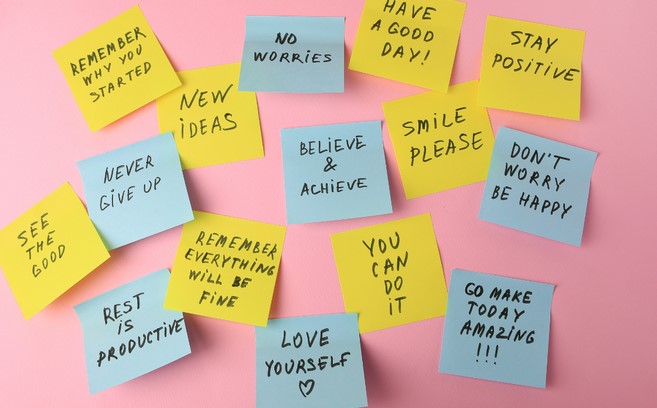
Using Affirmations Daily: A Powerful Tool for Mental Health

Source:https://kajabi-storefronts-production.kajabi-cdn.com

You wake up, grab your phone, and immediately scroll through an avalanche of emails, tragic news headlines, and pristine social media feeds. Before your feet even touch the floor, a quiet, insidious voice inside your head starts its daily broadcast: You are already behind. You aren’t prepared for that presentation. You don’t have what it takes. By 8:00 AM, your chest feels tight, your shoulders are hunched, and your mood is completely tanked.

Over my ten years as a health writer and mental wellness advocate, I have worked alongside clinical psychologists and sat with hundreds of individuals battling chronic stress. Early in my career, I used to think positive self-talk was nothing more than toxic positivity or cheesy “new age” fluff. I was completely wrong.

The biggest insight I have learned from behavioral science is that your brain does not always know the difference between an actual external threat and a deeply held internal thought. Using affirmations daily isn’t about standing in front of a mirror reciting empty wishes; it is a structured, scientifically proven method to manually disrupt negative cognitive patterns and rewire your neural circuitry. Let’s explore how to turn this practice into a practical psychological tool for your mental health.

The Neurobiology of Affirmations: Rewiring Your Brain’s Default Network

To appreciate why self-affirmation works, we have to move past the spiritual cliches and look directly at human neuroanatomy. Your brain possesses a beautiful characteristic known as neuroplasticity.

The Jungle Path Analogy

Think of your brain’s thought patterns like a dense, overgrown tropical jungle. When you repeat a negative thought over and over—like “I always mess things up”—you are driving a heavy bulldozer through that jungle. Over time, you create a smooth, wide, deeply rutted dirt road. Your brain loves efficiency, so whenever a stressful situation occurs, it automatically takes that wide road of self-doubt.

When you begin using affirmations daily, you are deliberately stepping off that dirt road and hacking a new path through the brush. At first, it feels awkward, slow, and full of friction. But the more you walk that new path, the wider and smoother it becomes, while the old negative road eventually grows over from disuse.

Neuroimaging and Self-Processing

Functional magnetic resonance imaging (fMRI) studies show that practicing self-affirmation activates the brain’s ventromedial prefrontal cortex (vmPFC). This is the exact same reward system that lights up when you eat delicious food or win a prize. By actively focusing on your core personal values, you send safety signals to your nervous system, downregulating the amygdala—the brain’s emotional alarm system that triggers anxiety and the fight-or-flight response.

The Anatomy of an Affirmation: How to Avoid the “Rejection Effect”

Many beginners try using positive self-talk, fail within three days, and give up. They say things like, “I am completely wealthy and financially free,” while staring at a bank account with a balance of twelve dollars.

When your affirmation stands in direct, radical opposition to your current reality, your brain’s defense mechanism flags it as a lie. This creates cognitive dissonance, causing your subconscious mind to reject the phrase completely and leaving you feeling more discouraged than before. To make your statements stick, they must be psychologically sound.

1. Shift to Progress-Based Language

If an absolute statement feels like a lie, rephrase it to focus on your capacity to grow and handle discomfort.

  • Instead of: “I am completely fearless and calm.”

  • Try: “I am capable of navigating stressful moments, and I am learning to calm my breath.”

2. Ground It in Personal Values

Affirmations are not generic templates. They need to tie directly into your unique, authentic value system.

+------------------+-----------------------------------------+-----------------------------------------+
| Focus Area       | Avoid This (Fixed/Unrealistic)           | Use This (Value-Driven/Actionable)      |
+------------------+-----------------------------------------+-----------------------------------------+
| Imposter Syndrome| "I am the smartest person in this room  | "I bring unique value to this team, and |
|                  | and I know all the answers."            | I have the capability to learn."        |
+------------------+-----------------------------------------+-----------------------------------------+
| Body Image       | "I absolutely love every single part of | "My body is strong, resilient, and      |
|                  | my appearance today."                   | deserves respect and healthy choices."  |
+------------------+-----------------------------------------+-----------------------------------------+
| Emotional Stress | "Nothing ever bothers me and I am happy | "I accept my feelings without judgment,  |
|                  | 100% of the time."                      | and I can choose how to respond."       |
+------------------+-----------------------------------------+-----------------------------------------+

Integrating Affirmations Into Your Everyday Life

Consistency is the absolute engine of neuroplasticity. To experience the true mental health benefits of this practice, you must anchor your phrases into your existing routines.

1. Habit Stacking

Do not try to carve out a random, isolated twenty-minute block for your affirmations; you will forget to do it. Instead, use a behavioral psychology technique called habit stacking. Tie your statement to an automated daily anchor habit you already do without thinking.

  • The Anchor: Brushing your teeth, waiting for your morning coffee to brew, or buckling your seatbelt in the car.

  • The Stack: As you wait for your coffee to drip, repeat your chosen phrase three times slowly, synchronizing the words with deep, steady belly breaths.

2. Visual Environmental Prompts

Your subconscious mind is constantly scanning your environment for clues. Use this to your advantage by placing simple, highly visible reminders where your eyes naturally wander. Write a specific phrase on a sticky note and paste it on your bathroom mirror, or set a recurring, quiet notification to pop up on your phone screen at 2:00 PM when your workday stress peaks.

Expert Advice and Hidden Warnings

As a veteran health writer, I believe it is vital to balance inspiration with clinical reality.

💡 Pro Tip: Use Your Own Voice: Your brain is uniquely attuned to your own auditory frequency. Instead of just reading an affirmation silently or listening to a stranger’s meditation track on a smartphone app, record yourself speaking your affirmations using a calm, steady voice. Play the recording back to yourself during your morning walk or commute. Hearing your own voice validate your capabilities acts as a powerful shortcut to safety within your central nervous system.

⚠️ The Hidden Warning: Affirmations Are Not an Emotional Broom: Beware of using positive self-talk as a way to sweep genuine, painful emotions like grief, anger, or deep sadness under the rug. This is known as spiritual bypassing. If you are hurting, forcing yourself to say “I am only filled with love and joy” represses your authentic experience, which actually spikes your systemic cortisol levels over time. Always acknowledge the painful emotion first: “I feel incredibly anxious right now, and that is okay. I still have the tools to handle my day.”

Your Step-by-Step Guide to Crafting a Personal Script

Ready to begin using affirmations daily to support your emotional health? Follow this precise three-step formula to create a set of phrases tailored to your mind:

  • Step 1: Identify the Saboteur: Take a piece of paper and write down the exact negative phrase your internal critic repeats most often (e.g., “You fail every time you try something new”).

  • Step 2: Neutralize and Validate: Look at that statement objectively. Soften its absolute terms (like “always” or “never”) and frame it around your capacity for growth.

  • Step 3: Apply the Three P’s: Ensure your new statement is Present-tense (I am/I can), Positive (focused on what you want, not what you want to avoid), and Personal (rooted in your own behavior, not trying to change how other people act).

Mastering Your Mindset

Your mind is a beautiful, complex garden. If you do not actively plant the seeds of your choosing, weeds will naturally take over. Dedicating just two minutes every morning to consciously directing your thoughts isn’t a vain vanity exercise—it is a protective habit that builds cognitive flexibility, lowers distress, and returns the steering wheel of your life to your own hands.

The internal script you tell yourself matters more than any external input. Start small, stay patient with the process, and give your neural pathways the time they need to rebuild.

Have you ever experimented with a regular self-affirmation practice before? If you were to write just one supportive, realistic phrase to help you navigate tomorrow’s challenges, what would it say? Drop your thoughts in the comments below, and let’s build a supportive community of mindful self-talk together!

Practicing Gratitude Daily: How to Make It a Habit for Better Well-Being

Source:https://anxiety-gone.com

In today’s fast-paced world, it’s easy to focus on what’s missing, stressful, or challenging in life. Yet research shows that cultivating a mindset of appreciation can have profound benefits for mental and physical health. Practicing Gratitude Daily is a simple but powerful habit that encourages individuals to intentionally notice and acknowledge the positive aspects of life. By consistently focusing on what one values, gratitude strengthens emotional resilience, enhances relationships, and improves overall well-being. This article explores the science behind gratitude, practical strategies to turn it into a daily habit, and tips for integrating it seamlessly into everyday life.

The Science and Benefits of Gratitude

Gratitude is more than a polite expression; it is a cognitive and emotional skill that can be cultivated through practice. Neuroscientific research indicates that regularly acknowledging what we appreciate activates brain regions associated with reward, social bonding, and emotional regulation. This activation creates a positive feedback loop: the more we practice gratitude, the more we naturally notice positive events, leading to greater overall happiness.

The benefits of practicing gratitude extend beyond mental health. Studies have shown that individuals who consistently reflect on what they are grateful for report lower levels of stress, anxiety, and depression. They also experience improved sleep, reduced inflammation, and even stronger immune function. Physically, gratitude helps regulate the body’s stress response by lowering cortisol levels, which in turn reduces tension and promotes relaxation.

Social benefits are equally significant. Expressing appreciation toward others strengthens relationships, fosters empathy, and encourages reciprocity. Gratitude encourages a sense of connection, both with people and with one’s environment, creating a richer, more supportive social network.

Strategies to Make Gratitude a Daily Habit

Although the benefits of gratitude are clear, making it a daily practice requires intentionality. Simple, structured strategies can help embed gratitude into everyday routines without feeling forced or artificial.

Practical Steps for Daily Gratitude

  1. Keep a Gratitude Journal: Dedicate a few minutes each day to writing down three to five things you are grateful for. They can be as small as a good cup of coffee or as significant as a supportive family member. Journaling reinforces awareness and encourages reflection.
  2. Use Prompts: Sometimes, it can be challenging to know where to start. Prompts such as “What made me smile today?” or “Who positively impacted my life this week?” help focus attention and make the practice more engaging.
  3. Integrate Gratitude into Routine Activities: Pairing gratitude with existing habits, such as during your morning coffee, evening commute, or bedtime, ensures consistency. The brain forms stronger habits when practices are linked to familiar cues.
  4. Express Gratitude to Others: Verbalizing appreciation can deepen social connections and enhance emotional well-being. A simple thank-you note, text message, or spoken acknowledgment can strengthen bonds and create a ripple effect of positivity.
  5. Mindfulness and Reflection: Gratitude is more powerful when experienced mindfully. Taking time to pause, notice, and reflect on what you are thankful for encourages genuine appreciation rather than automatic listing.
  6. Celebrate Small Wins: Recognizing achievements, even minor ones, reinforces a positive mindset. Celebrating progress, effort, and moments of joy contributes to a sustained practice.

Overcoming Challenges in Daily Gratitude Practice

Maintaining a consistent gratitude practice can be challenging, especially during periods of stress or negative events. A common misconception is that gratitude requires constant positivity, which can feel inauthentic when life is difficult. The key is to balance acknowledgment of challenges with recognition of even small positives.

Another challenge is repetition fatigue, where daily practice begins to feel routine or mechanical. Introducing variety, such as alternating prompts or changing the mode of expression (writing, drawing, or verbal reflection), can refresh engagement.

Comparisons with others can also undermine gratitude. It’s important to focus on personal experiences and achievements rather than measuring against external standards. Personal reflection ensures authenticity and meaningful practice.

Finally, patience is essential. Gratitude is not an instant cure for stress or unhappiness but a skill that builds over time. With consistent practice, neural pathways associated with positive thinking strengthen, and individuals begin to notice opportunities for appreciation naturally.

Long-Term Benefits of a Gratitude Habit

When practiced consistently, daily gratitude contributes to sustained emotional resilience. Individuals become less reactive to stress and more attuned to opportunities for positive connection. Cognitive flexibility increases, allowing people to reframe challenges with a balanced perspective.

Physically, daily gratitude can lead to improved sleep patterns, lower blood pressure, and healthier stress hormone regulation. Mentally, it enhances optimism, life satisfaction, and motivation. Socially, relationships are strengthened through recognition, acknowledgment, and shared appreciation.

Integrating gratitude into one’s identity as a daily habit creates long-term transformation. It shifts attention from scarcity to abundance, promoting well-being in ways that ripple across personal, professional, and social domains.

Gratitude is a simple yet profoundly impactful practice that enhances mental, physical, and social well-being. By intentionally noticing and acknowledging positive experiences, individuals can cultivate resilience, strengthen relationships, and improve overall life satisfaction. With consistent effort, Practicing Gratitude Daily becomes a natural habit rather than a forced task, fostering a mindset of appreciation that sustains emotional balance and long-term health. Embracing gratitude as part of everyday life transforms ordinary moments into opportunities for connection, reflection, and joy.

Reducing Reactivity with Mindfulness: How to Respond Calmly to Stress

Source:https://www.mindful.org

Stressful situations are an unavoidable part of modern life, yet the way we respond to them can dramatically influence our mental health, relationships, and overall well-being. Reducing Reactivity with Mindfulness is a practical approach that helps individuals pause, observe their internal experience, and choose responses more deliberately rather than reacting automatically. This article introduces the concept of reactivity, explains how mindfulness changes our relationship with stress, and offers insight into developing calmer, more thoughtful responses in everyday life.

Understanding Reactivity and the Stress Response

Reactivity refers to the automatic emotional and behavioral responses that occur when we perceive a threat, challenge, or discomfort. These reactions are rooted in the brain’s survival mechanisms. When stress arises, the nervous system activates a rapid response designed to protect us, often before conscious thought has time to intervene. While this response is useful in truly dangerous situations, it can be counterproductive in everyday interactions.

Common examples of reactivity include snapping in conversation, feeling overwhelmed by minor setbacks, or experiencing lingering emotional distress after stressful events. These reactions are often disproportionate to the situation and may lead to regret, strained relationships, or ongoing anxiety.

Stress-related reactivity is amplified by modern conditions such as constant digital stimulation, time pressure, and information overload. When the nervous system rarely has time to reset, the threshold for reactivity lowers. Small stressors accumulate, making emotional responses more intense and frequent.

Mindfulness offers a way to interrupt this cycle. Rather than suppressing emotions or forcing calm, mindfulness encourages awareness of internal experiences as they arise. This awareness creates a critical pause between stimulus and response, allowing for choice rather than compulsion.

How Mindfulness Changes the Stress Experience

Mindfulness is the practice of paying attention to present-moment experience with openness and without judgment. When applied to stress, it shifts how individuals relate to thoughts, emotions, and bodily sensations. Instead of being swept away by reactions, mindfulness allows them to be observed.

From a neurological perspective, mindfulness strengthens areas of the brain involved in emotional regulation and self-awareness. Regular practice reduces overactivation of the brain’s threat centers while enhancing the ability to assess situations more calmly. This does not eliminate stress but changes how it is processed.

Mindfulness also increases sensitivity to early stress signals. Many reactive behaviors occur because individuals notice stress only after it has escalated. By tuning into subtle cues—such as muscle tension, shallow breathing, or racing thoughts—mindfulness allows for earlier intervention. Addressing stress at this stage requires less effort and reduces emotional intensity.

Importantly, mindfulness fosters acceptance rather than resistance. Stress often intensifies when individuals fight against their emotional responses. Acknowledging stress with curiosity rather than judgment can reduce its grip. This acceptance does not mean approval of difficult circumstances, but recognition of reality as it is in the moment.

Practical Mindfulness Skills for Everyday Stress

Mindfulness does not require withdrawing from daily responsibilities. Instead, it can be integrated into ordinary moments, making it especially useful for managing real-life stressors.

One foundational skill is mindful breathing. By gently focusing attention on the breath, individuals create a physical anchor that stabilizes attention. Slow, intentional breathing signals safety to the nervous system, helping reduce physiological arousal. This practice can be used discreetly during conversations, meetings, or transitions.

Another key skill is emotional labeling. Silently naming emotions such as frustration, anxiety, or disappointment helps create distance from them. Research shows that this simple act can reduce emotional intensity by engaging cognitive processing. Rather than being consumed by emotion, individuals become observers of their experience.

Body awareness is equally valuable. Stress often manifests physically before it becomes mentally overwhelming. Noticing posture, muscle tension, or jaw clenching can prompt gentle adjustments that release built-up stress. This awareness reinforces the connection between mind and body.

Finally, mindful questioning supports thoughtful responses. Asking simple internal questions like “What is actually happening right now?” or “What response aligns with my values?” shifts focus from impulse to intention. These questions create space for wiser action, even under pressure.

Applying Mindfulness to Build Long-Term Resilience

Reducing reactivity is not about achieving constant calm. It is about increasing flexibility in how one responds to stress over time. Mindfulness strengthens this flexibility by promoting self-awareness, emotional tolerance, and intentional action.

As mindfulness becomes habitual, individuals often notice improved relationships. Pausing before responding allows for clearer communication and greater empathy. Misunderstandings are less likely to escalate, and conflicts can be approached with greater composure.

Mindfulness also supports mental health by reducing chronic stress patterns. When reactions are less intense and shorter in duration, the nervous system spends more time in a regulated state. This balance supports better sleep, concentration, and emotional stability.

Crucially, progress in mindfulness is gradual. Reactivity will still occur, especially during high-stress periods. The goal is not perfection but awareness. Each moment of noticing reactivity without judgment is itself a step toward greater calm and clarity.

Stress may be inevitable, but automatic reactivity does not have to be. By cultivating awareness, mindfulness provides the tools needed to pause, observe, and choose responses more wisely. Reducing Reactivity with Mindfulness supports emotional regulation, clearer thinking, and healthier relationships by transforming how stress is experienced rather than trying to eliminate it. With consistent practice, mindfulness becomes a steady resource for responding to life’s challenges with greater calm, intention, and resilience.

Gratitude Practice Tips: Cultivating a Positive Mindset Every Day

Source:https://www.mindful.org

In a world shaped by constant demands, comparisons, and rapid change, maintaining a positive mindset can feel challenging. One effective and evidence-supported way to build emotional resilience is through intentional gratitude. Gratitude Practice Tips offer practical guidance for recognizing and appreciating positive aspects of life, even during difficult periods. This article introduces the concept of daily gratitude, explains why it is psychologically powerful, and presents structured ideas for cultivating a lasting, realistic sense of positivity.

The Science and Psychology of Gratitude

Gratitude is more than a polite response or fleeting feeling; it is a cognitive and emotional skill that can be developed with practice. Psychologically, gratitude involves noticing positive experiences, interpreting them as meaningful, and acknowledging their value. This process directly influences how the brain processes information and regulates emotion.

Research in positive psychology shows that regularly focusing on what is going well can shift attention away from chronic stressors. The human brain has a natural tendency to prioritize threats and problems, a mechanism designed for survival. Gratitude practices gently counterbalance this bias by training the mind to also register safety, support, and progress.

Neurologically, gratitude activates regions of the brain associated with reward, empathy, and emotional regulation. Over time, repeated activation of these areas strengthens neural pathways linked to optimism and emotional balance. This does not mean ignoring challenges or denying negative emotions. Instead, gratitude broadens perspective, allowing individuals to hold both difficulty and appreciation at the same time.

Gratitude also supports social well-being. Recognizing positive contributions from others increases feelings of connection and trust. These social benefits reinforce emotional health, as humans are inherently relational beings. By practicing gratitude consistently, individuals often experience improved mood, greater patience, and increased resilience during stressful situations.

Building Gratitude Into Daily Life

Developing gratitude is most effective when it becomes part of everyday routines rather than an occasional activity. Small, consistent actions shape mindset more powerfully than infrequent, intense efforts. The key is intentional repetition paired with genuine reflection.

One effective approach is setting aside brief moments during the day to pause and reflect. This can be done in the morning to set a positive tone or in the evening to review the day with awareness. The practice does not require long periods of time; even a few minutes can be impactful when done regularly.

Language also matters. Internally naming specific experiences, rather than general statements, strengthens the emotional effect. For example, appreciating a meaningful conversation or a moment of calm is more powerful than vague positivity. Specificity encourages deeper engagement with the experience.

Consistency is more important than variety. While techniques can evolve over time, maintaining a stable habit allows gratitude to become an automatic mental process. As this habit develops, individuals often begin to notice positive moments spontaneously, without conscious effort.

Overcoming Common Challenges in Gratitude Practice

Despite its simplicity, gratitude practice can feel difficult at times, especially during periods of stress or disappointment. One common misconception is that gratitude requires constant positivity. In reality, forced gratitude can feel inauthentic and may create emotional resistance.

A more balanced approach is acknowledging difficulty while still identifying small points of stability or support. Gratitude does not eliminate pain, but it can coexist with it. For example, appreciating a moment of rest during a challenging day allows for emotional grounding without dismissing hardship.

Another challenge is repetition fatigue, where the practice begins to feel routine or meaningless. This often happens when reflection becomes automatic rather than mindful. Refreshing the practice by changing prompts, timing, or format can restore engagement. Curiosity, rather than obligation, sustains long-term commitment.

Comparisons can also interfere with gratitude. Measuring one’s experiences against others may reduce appreciation or introduce guilt. Gratitude is most effective when it remains personal and non-judgmental, focused on individual experience rather than external standards.

Long-Term Impact of a Gratitude-Oriented Mindset

Over time, gratitude reshapes how individuals interpret experiences. Instead of reacting immediately to stressors, a gratitude-oriented mindset introduces a pause that allows for more thoughtful responses. This pause supports emotional regulation and reduces impulsive reactions.

Gratitude also enhances self-awareness. By regularly reflecting on what feels meaningful or supportive, individuals gain insight into their values and emotional needs. This awareness can inform better decision-making and healthier boundaries.

In professional and academic contexts, gratitude supports motivation and perspective. Recognizing progress, effort, and learning opportunities can reduce burnout and increase engagement. In personal life, it fosters empathy and strengthens relationships by highlighting shared moments of value.

Importantly, gratitude is not a fixed trait but a skill that evolves. Its benefits accumulate gradually, often becoming more noticeable during challenging times when emotional resources are most needed. This cumulative effect makes gratitude a sustainable foundation for long-term well-being.

Cultivating gratitude is a practical, accessible way to support emotional balance and mental resilience in everyday life. Through consistent reflection, realistic expectations, and mindful attention, gratitude becomes a stable internal resource rather than a temporary mood boost. By applying thoughtful Gratitude Practice Tips, individuals can gradually develop a more balanced perspective—one that acknowledges challenges while remaining grounded in appreciation, clarity, and emotional strength.

Walking Meditation Techniques: Relax Your Mind and Body

Source:https://mindworks.org

In today’s fast-paced world, finding effective ways to reduce stress and bring balance to our lives is more important than ever. One powerful yet simple practice gaining popularity is walking meditation. Unlike traditional seated meditation, walking meditation offers the benefit of combining movement with mindfulness, allowing you to relax your mind and body while staying physically active. Walking Meditation Techniques are a great way to integrate mindfulness into your daily routine, and in this article, we will explore different techniques, their benefits, and how you can start incorporating them into your life.

1. The Concept of Walking Meditation

Walking meditation is a form of meditation that involves focusing your attention on the act of walking. The practice is based on the principle of mindfulness, which is the art of being fully present in the moment without judgment. Rather than letting your mind wander to past regrets or future worries, you channel your focus into the movements of your body as you walk.

1.1. The History and Roots of Walking Meditation

Walking meditation has its roots in Buddhist traditions, where it was originally practiced by monks as a way to cultivate awareness while in motion. It has since spread to other forms of meditation and has become a popular practice in mindfulness-based stress reduction (MBSR) programs. Today, walking meditation is used by people of all backgrounds to foster a deeper sense of awareness, relaxation, and mental clarity.

2. Different Walking Meditation Techniques

There are various Walking Meditation Techniques that can be practiced depending on your preferences and goals. While each approach shares the common goal of mindfulness, they offer different ways of engaging the body and mind. Let’s explore some of the most popular techniques:

2.1. Basic Walking Meditation

The basic walking meditation technique is simple but highly effective. It involves walking slowly and deliberately while paying close attention to each step you take. Here’s how to practice it:

  1. Find a Quiet Space: Choose a quiet, safe space where you can walk without distractions. A calm outdoor park, garden, or even an empty room works well.
  2. Stand Still: Begin by standing still for a moment, taking a few deep breaths to center yourself.
  3. Focus on Your Steps: As you begin to walk, direct your attention to the sensation of your feet touching the ground. Feel the pressure, the movement, and the lifting of each foot.
  4. Slow Your Pace: Walk slowly, and allow each movement to become a conscious act. As you lift your foot, focus on that moment of movement, and then on placing it down. The slower, the better—aim to take fewer, more intentional steps.
  5. Breathing Awareness: While walking, synchronize your breathing with your steps. For example, breathe in as you take one step and breathe out as you take another.

This technique emphasizes full-body awareness, helping you connect with the present moment while incorporating the natural rhythm of walking.

2.2. Counting Steps Meditation

Another common Walking Meditation Technique involves counting steps. This technique can be especially helpful if you find that your mind tends to wander easily during walking meditation. Here’s how to practice counting steps:

  1. Start with the Basic Walking Meditation Technique: Begin walking at a slow and deliberate pace, focusing on your breath and footsteps.
  2. Add Counting: As you walk, count each step. You can choose a simple pattern like counting to ten before starting again (1, 2, 3, … 10). Focus entirely on the act of counting and the sensations in your body as you walk.
  3. Refocus if Distracted: If you find yourself losing track of the count or if your mind drifts, simply bring your attention back to your breath and the sensations of walking, then start the count again.

Counting the steps provides structure and keeps the mind engaged, allowing you to remain focused and present in the moment.

2.3. Body Scan Walking Meditation

The Body Scan Walking Meditation combines the principles of walking meditation with a body scan, which is commonly used in seated mindfulness practices. The goal is to bring awareness to different parts of the body as you walk. Here’s how to do it:

  1. Start Walking Slowly: Begin by walking slowly, as you would in a basic walking meditation.
  2. Focus on Your Feet: Start by focusing on the sensation of your feet touching the ground, just like in the basic technique.
  3. Gradually Shift Your Focus Upward: As you walk, bring your awareness to different parts of your body, one at a time. Move your focus from your feet to your legs, then your hips, torso, and finally to your shoulders, arms, and head.
  4. Body Sensations: As you focus on each body part, notice any tension, relaxation, or discomfort. Simply observe without judgment or trying to change anything.

This technique helps foster a deeper sense of embodiment and can help release tension as you become more aware of areas where stress may accumulate.

2.4. Nature Walking Meditation

Nature walking meditation is a form of walking meditation practiced outdoors, where you can use the natural environment as a source of mindfulness. This technique is ideal for those who enjoy being outside and find peace in natural surroundings. Here’s how to practice it:

  1. Choose a Nature Path: Find a peaceful path in nature—a park, a forest trail, or any place where you feel connected to the earth.
  2. Focus on Your Surroundings: As you walk, notice the sights, sounds, and smells around you. Pay attention to the rustling of leaves, the chirping of birds, the feeling of the breeze on your skin, and the sound of your footsteps.
  3. Mindful Walking: As you focus on the external environment, continue to stay aware of your internal experience—your breath, the sensations in your body, and the rhythm of your steps.

Walking in nature allows you to connect with the earth while also practicing mindfulness and relaxation.

3. Benefits of Walking Meditation

Walking meditation offers a multitude of benefits for both your mental and physical health. Whether you practice it indoors or outdoors, the technique can help improve focus, reduce stress, and promote relaxation. Some of the key benefits include:

3.1. Stress Reduction

Walking meditation allows you to disconnect from the hustle and bustle of daily life, providing a space for you to relax and recharge. The combination of mindful walking and breathing can significantly reduce cortisol (the stress hormone) levels, leading to a calmer, more centered mind.

3.2. Improved Mental Clarity and Focus

By focusing on your body and breath during walking meditation, you can enhance your ability to concentrate and stay present in the moment. This practice sharpens your mental clarity and helps you develop greater self-awareness.

3.3. Increased Physical Activity

Unlike seated meditation, walking meditation integrates gentle physical movement, which can improve circulation, reduce muscle tension, and support cardiovascular health. It is an excellent way to combine mindfulness with physical exercise, making it an ideal practice for those who find traditional exercise routines challenging.

3.4. Better Sleep and Emotional Health

Practicing walking meditation regularly has been shown to improve sleep quality and regulate emotional health. The relaxation it brings can help reduce insomnia and promote restful sleep. It also contributes to a balanced emotional state, which can help reduce anxiety and depression symptoms over time.

Incorporating Walking Meditation Techniques into your routine is an excellent way to bring mindfulness into your daily life, reduce stress, and promote both mental and physical health. Whether you prefer a basic walking meditation, counting your steps, or practicing in nature, each technique can provide you with a sense of calm and presence that will help you navigate your day with a clearer mind and more peaceful body. By committing to just a few minutes each day, you can experience the profound benefits of this simple yet powerful practice, helping you relax, recharge, and find balance in the midst of life’s challenges.