Retirement and Mental Health: Tips for Staying Active and Engaged

Source:https://static.independent.co.uk

Retirement marks a major life transition that brings both freedom and uncertainty. While leaving the workforce can relieve stress and create new opportunities, it can also challenge a person’s sense of identity, routine, and social connection. Retirement and Mental Health are closely linked, as emotional well-being during this phase depends greatly on how individuals adapt to changes in structure, purpose, and daily interaction. This article explores the psychological impact of retirement and offers practical, forward-looking ideas to stay mentally active, engaged, and fulfilled during this important stage of life.

The Psychological Transition into Retirement

Retirement is not a single event but a gradual psychological adjustment. For many individuals, work has long provided structure, social interaction, and a sense of contribution. When that framework disappears, it can lead to mixed emotions, including relief, excitement, anxiety, or even loss. These reactions are natural and reflect the significance of the change.

One of the most common challenges during retirement is the shift in identity. Careers often shape how people see themselves and how they are perceived by others. Without professional roles or titles, some retirees may struggle to redefine their sense of self-worth. This internal adjustment can take time and requires reflection on values beyond productivity or job performance.

Another important factor is routine. Workdays naturally organize time, creating predictable patterns of activity and rest. Retirement removes this structure, which can initially feel liberating but may later contribute to feelings of aimlessness if days lack intentional planning. Unstructured time, when unmanaged, can reduce motivation and mental stimulation.

Social changes also play a role. Daily interactions with colleagues often decrease after retirement, potentially leading to isolation. While family and long-term friends remain important, the loss of casual social contact can affect emotional balance. Recognizing these psychological shifts early allows individuals to respond proactively rather than reactively.

Staying Active Through Purposeful Engagement

Mental well-being in retirement is strongly influenced by how individuals choose to engage with their time. Purposeful activity provides direction, motivation, and a sense of contribution, all of which support cognitive and emotional health.

One effective strategy is redefining purpose outside of paid employment. Purpose does not need to be tied to income or professional achievement. It can emerge from learning, creativity, service, or personal growth. When retirees identify activities that feel meaningful, they are more likely to stay mentally engaged and emotionally satisfied.

Lifelong learning is a powerful tool for maintaining cognitive vitality. Exploring new subjects, skills, or interests stimulates the brain and encourages curiosity. This could involve formal education, informal study, or self-directed exploration. The key is intellectual challenge, not mastery.

Social engagement is equally important. Meaningful relationships provide emotional support, perspective, and a sense of belonging. Maintaining existing connections while forming new ones helps prevent isolation and reinforces emotional resilience.

Creating Structure Without Pressure

While flexibility is one of retirement’s greatest benefits, some degree of structure supports mental clarity and motivation. Creating a gentle daily or weekly rhythm helps balance freedom with stability.

This structure does not need to resemble a work schedule. Instead, it can be built around personal priorities such as regular physical activity, creative time, social interaction, and rest. Having anchor points in the day—like a morning walk, scheduled class, or weekly social meeting—provides consistency without pressure.

Physical activity deserves special attention. Regular movement supports brain health, mood regulation, and energy levels. Activities can be adapted to individual abilities and preferences, emphasizing enjoyment rather than performance. Movement also reinforces routine, which can enhance overall mental balance.

Volunteering is another way to combine structure with purpose. Contributing time and experience to community initiatives allows retirees to feel valued while staying socially connected. This form of engagement reinforces the idea that retirement is a transition, not a withdrawal from meaningful participation.

Building Long-Term Emotional Well-Being in Later Life

Sustaining mental health in retirement requires ongoing self-awareness and adaptability. Emotional well-being is influenced by how individuals respond to change, manage expectations, and care for their inner lives over time.

Mindset plays a critical role. Viewing retirement as a phase of growth rather than decline encourages openness and resilience. Challenges such as aging, health changes, or shifting roles are easier to navigate when approached with flexibility and self-compassion.

Emotional expression is also important. Retirement creates space for reflection, and acknowledging emotions—both positive and difficult—supports psychological balance. Journaling, conversation, or creative expression can help process these experiences constructively.

Finally, seeking support when needed is a sign of strength, not weakness. Life transitions can surface unexpected emotional challenges, and professional or peer support can provide valuable perspective. Staying mentally healthy in retirement is not about avoiding difficulty but about responding to it with intention and care.

Retirement offers the opportunity to redesign life around personal values, interests, and well-being. When approached with awareness and intention, it can become a deeply fulfilling stage rather than a source of emotional uncertainty. By focusing on purpose, connection, and adaptability, individuals can support both satisfaction and resilience in later life. Retirement and Mental Health are best nurtured through active engagement, thoughtful structure, and a willingness to grow, ensuring that this chapter is marked by meaning, balance, and continued personal vitality.

Regular Eye Exams: Why They’re Essential for Maintaining Good Vision

Source:https://griffinoptometric.com

Vision plays a central role in how we learn, work, and interact with the world, yet it is often taken for granted until problems arise. Regular Eye Exams are a proactive measure that supports not only clear sight but also long-term eye health and overall well-being. Many vision changes and eye conditions develop gradually, without obvious symptoms in their early stages. This article introduces the importance of routine eye evaluations, explains what they reveal beyond basic vision correction, and highlights how consistent eye care contributes to lifelong visual health.

The Role of Eye Health in Overall Well-Being

The eyes are complex organs that are closely connected to the brain, nervous system, and circulatory system. Because of this connection, eye health reflects more than just visual clarity. Changes in the eyes can signal broader health concerns, making vision care an important part of preventive healthcare.

Good vision supports daily functioning, productivity, and safety. From reading and driving to digital screen use and physical activity, visual input influences nearly every aspect of life. When vision is compromised, even subtly, it can lead to eye strain, headaches, reduced concentration, and fatigue. Over time, these issues may affect work performance, academic success, and quality of life.

Eye health is also closely linked to aging. As people grow older, the risk of conditions such as cataracts, glaucoma, and age-related macular changes increases. Early identification of these conditions allows for timely management, which can slow progression and preserve vision. Importantly, many serious eye conditions cause little or no pain in their early stages, reinforcing the value of routine evaluations even when vision seems normal.

Children and adolescents also benefit from consistent eye care. Vision plays a key role in learning and development, and undetected vision problems can interfere with reading, attention, and classroom performance. Adults, particularly those who use digital devices extensively, face different challenges such as digital eye strain and dry eyes. Across all life stages, maintaining eye health supports independence, confidence, and overall well-being.

What Happens During a Comprehensive Eye Exam

A comprehensive eye exam is far more than a simple vision check. It is a structured evaluation of how the eyes function and how healthy they are. While specific tests may vary depending on age, health history, and symptoms, the overall goal is to assess both visual performance and ocular health.

Vision testing measures how clearly a person sees at various distances and helps determine whether corrective lenses are needed or need adjustment. However, this is only one component of the exam. Eye movement and coordination tests evaluate how well the eyes work together, which is essential for depth perception and comfortable reading.

Eye pressure measurement is another key element. Elevated eye pressure can be an early indicator of glaucoma, a condition that can lead to permanent vision loss if left untreated. Because glaucoma often develops without noticeable symptoms, routine pressure checks are critical for early detection.

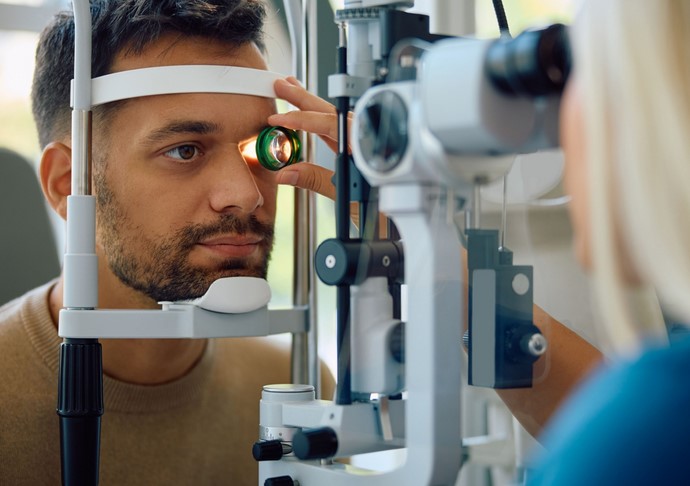
Examination of the internal and external structures of the eye provides valuable information about eye health. Using specialized instruments, eye care professionals can assess the retina, optic nerve, blood vessels, and surrounding tissues. These observations can reveal signs of inflammation, degeneration, or other abnormalities that may not yet affect vision.

Beyond Vision Testing: A Window Into Systemic Health

One of the most significant but less widely understood aspects of eye exams is their role in identifying signs of systemic health conditions. The eyes are the only place in the body where blood vessels and nerves can be observed directly without surgery. As a result, changes in the eyes can offer early clues about overall health.

Conditions such as diabetes, high blood pressure, and certain autoimmune disorders can produce visible changes in the retina and blood vessels. Detecting these signs early allows individuals to seek appropriate medical care and potentially prevent more serious complications. In some cases, eye exams have been the first indication that an underlying health issue exists.

Neurological conditions may also present subtle visual or structural changes in the eyes. Because the optic nerve is part of the central nervous system, its appearance can reflect neurological health. This makes routine eye evaluations a valuable complement to general medical care.

Building a Lifelong Vision Care Routine

Maintaining healthy vision is an ongoing process that extends beyond occasional appointments. A consistent vision care routine combines professional evaluations with daily habits that support eye comfort and function.

Protecting the eyes from environmental stressors is an important part of this routine. Adequate lighting, appropriate screen use, and protective eyewear during activities that pose a risk to the eyes all contribute to long-term eye health. Nutrition also plays a role, as certain nutrients support retinal health and overall visual function.

Awareness of changes in vision or eye comfort is equally important. Blurred vision, persistent dryness, eye pain, or sudden visual disturbances should never be ignored, regardless of age. Prompt attention to these symptoms can prevent minor issues from becoming more serious.

Consistency is key. Vision needs change over time, influenced by age, lifestyle, and health status. Establishing a regular schedule for eye care ensures that these changes are monitored and addressed appropriately, supporting clear vision and healthy eyes throughout life.

Vision is an essential component of daily life and long-term independence, yet many eye conditions develop quietly and without early warning signs. By prioritizing Regular Eye Exams, individuals take an active role in protecting not only their eyesight but also their overall health. Through early detection, preventive care, and ongoing monitoring, routine eye evaluations help preserve vision, support well-being, and contribute to a healthier future at every stage of life.

Beyond the Frames: Modern Options for Vision Correction

For decades, the standard response to a blurry prescription was simply picking out a new pair of frames. While glasses remain a timeless fashion statement and a reliable tool for clarity, the world of optometry has expanded significantly. Today, patients have a variety of sophisticated alternatives that suit different lifestyles, from high-impact sports to the desire for a “natural” waking experience.

If you are looking to move beyond traditional eyewear, here is a list of the top options for correcting your vision.

1. High-Index and Specialized Prescription Lenses

Before jumping to alternatives, it’s worth noting that glasses technology has evolved. High-index lenses allow those with strong prescriptions to wear thin, lightweight glasses rather than the thick “coke-bottle” lenses of the past. Additionally, blue-light filtering and office lenses have made glasses more functional for the digital age. However, for many, the physical presence of frames remains a hindrance.

2. Daily and Extended Wear Contact Lenses

Contact lenses are the most common alternative to glasses. Modern silicone hydrogel materials allow more oxygen to reach the eye, making them comfortable for 12 to 16 hours a day. Daily disposables offer the highest level of hygiene and convenience, while multifocal contacts now allow those with presbyopia (age-related near-vision loss) to see both their phone and the horizon without needing bifocal glasses.

3. Orthokeratology (Ortho-K)

One of the most innovative “hidden” corrections is Ortho-K. Unlike standard contact lenses worn during the day, Ortho-K involves wearing specially designed gas-permeable lenses only while you sleep. These lenses gently reshape the cornea overnight. When you wake up and remove them, you can see clearly all day without the need for glasses or daytime contacts. This is an excellent option for athletes, swimmers, or anyone who suffers from dry eyes aggravated by traditional contact lenses. Furthermore, it is a leading method for slowing the progression of myopia (nearsightedness) in children.

4. Laser Eye Surgery (LASIK and PRK)

For a more permanent solution, laser refractive surgery remains a popular choice. LASIK involves creating a small flap in the cornea to reshape the underlying tissue, while PRK removes the outer layer entirely before reshaping. Both aim to correct the way light hits the retina. While the results are often life-changing, these procedures are surgical and require a stable prescription and healthy corneal thickness to be successful.

5. Implantable Collamer Lenses (ICL)

For those who are not candidates for LASIK due to thin corneas or extremely high prescriptions, ICL is a modern alternative. Often described as an “implantable contact lens,” a doctor places a tiny, biocompatible lens behind the iris. Unlike laser surgery, this process is reversible, making it an appealing option for those hesitant about permanent corneal changes.

Choosing the Right Path

Selecting the right vision correction depends on your ocular health, age, and daily activities. While glasses are a great “fail-safe,” options like Ortho-K or daily contacts offer a level of freedom that frames simply cannot match. If you’re tired of your glasses fogging up or slipping down your nose, consult with an optometrist to see which of these modern alternatives fits your life.