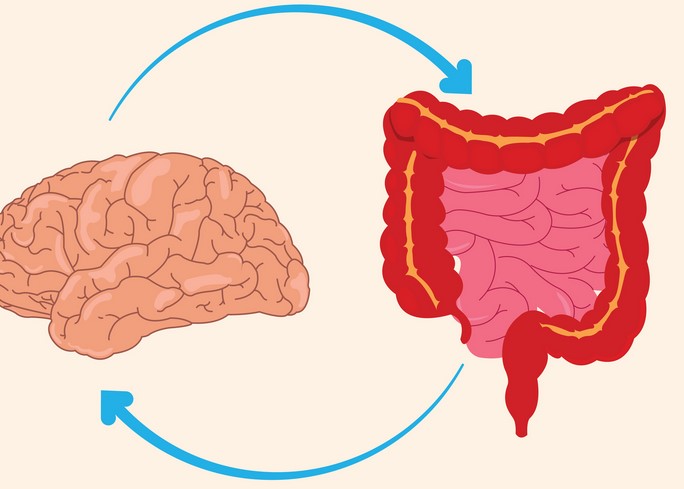
Have you ever felt “butterflies” in your stomach before a big presentation? Or perhaps you’ve noticed that during periods of high stress, your digestion seems to completely shut down or go into overdrive? That isn’t just a coincidence, and it’s not “all in your head.”
It is actually a sophisticated, lightning-fast conversation happening between your intestines and your brain. In my ten years of writing for the health industry and consulting with nutritionists, I’ve seen thousands of people treat their anxiety and their bloating as two separate problems.
But here is the reality: your gut is often the “lead singer” in the orchestra of your mental health, and your brain is simply following the tune. Today, we are going to dive deep into the Gut-Brain Connection to understand why a healthy mind starts with a healthy plate.
The Second Brain: Meet Your Enteric Nervous System
Inside the lining of your digestive system lies a hidden network of more than 100 million nerve cells. This is called the Enteric Nervous System (ENS). While it won’t help you solve a math equation, its primary job is to communicate with the brain in your skull, influencing your mood, your decisions, and your stress levels.
The Telephone Line Analogy
Think of the Gut-Brain Connection like a high-speed fiber-optic telephone line called the Vagus Nerve. This nerve runs directly from your brainstem to your abdomen.
For a long time, scientists thought the brain did all the talking. We now know that 90% of the fibers in the vagus nerve are actually sending information from the gut up to the brain. Your gut is effectively a “data center” that tells your brain how to feel.
The Microbiome: The Microscopic Mood Regulators
When we talk about the gut, we are really talking about the Microbiome—the trillions of bacteria, fungi, and viruses living in your digestive tract.
In my decade of experience, the most mind-blowing insight I’ve encountered is the production of neurotransmitters. You might think of Serotonin as a “brain chemical,” but roughly 95% of your body’s serotonin is actually produced in your gut. If your gut bacteria are out of balance (a state called Dysbiosis), your brain literally lacks the raw materials it needs to maintain a stable, happy mood.
Key Players in Your Gut Ecosystem:
-
Lactobacillus and Bifidobacterium: Often linked to lower anxiety levels.
-
Short-Chain Fatty Acids (SCFAs): Produced when bacteria ferment fiber; these help protect the blood-brain barrier.
-
GABA: A calming neurotransmitter produced by certain gut microbes that helps “quiet” a racing mind.
How Inflammation Bridges the Gap
If you’ve ever had “brain fog”—that feeling where you can’t focus and your thoughts feel like they’re moving through molasses—you are likely experiencing the Gut-Brain Connection via inflammation.
When the gut lining becomes compromised (often called Leaky Gut or increased intestinal permeability), inflammatory markers can leak into the bloodstream. These markers can cross into the brain, triggering “neuroinflammation.” This is why a weekend of eating highly processed, sugary foods often leads to a Monday morning filled with irritability and lack of focus.
Tips Pro: If you are struggling with chronic brain fog, stop looking for “brain boosters” and start looking at your fiber intake. Aim for 30 different types of plant-based foods per week. Diversity in your diet equals diversity in your microbiome, which acts as a “buffer” against cognitive decline.
Stress: The Gut’s Greatest Enemy
Communication on the Gut-Brain Connection is a two-way street. Chronic stress triggers the “fight or flight” response, which diverts blood flow away from the digestive system.
When you eat while stressed, your body cannot produce enough digestive enzymes. This leads to undigested food, which feeds the “bad” bacteria, creating gas and bloating. This physical discomfort then sends a signal back up the vagus nerve to the brain: “Something is wrong!” This creates a feedback loop of anxiety and indigestion that can be incredibly difficult to break without intervention.
Practical Steps to Optimize Your Gut-Brain Connection
You don’t need a PhD in microbiology to start healing your gut. It starts with small, consistent changes to your daily environment.
1. Prioritize Fermented Foods
Probiotics found in yogurt, kefir, sauerkraut, and kimchi are like “restocking the shelves” of your gut pharmacy. These live cultures help crowd out the bacteria that contribute to low mood and sugar cravings.
2. Feed the “Good Guys” with Prebiotics
Probiotics are the workers; Prebiotics are the food they eat. Garlic, onions, leeks, and slightly under-ripe bananas are rich in inulin and fiber that keep your mood-regulating bacteria thriving.
3. Practice Mindful Eating
Because the brain and gut are so tightly linked, how you eat is just as important as what you eat. Taking three deep breaths before a meal signals to the vagus nerve that it is safe to enter “rest and digest” mode.
Hidden Warning: The “Antibiotic Aftermath”
Here is a piece of expert advice you won’t always find in a standard health brochure:
While antibiotics are life-saving tools, a single course can wipe out a significant portion of your gut’s microbial diversity. I have observed a consistent pattern where patients report a “dip” in their mental health 2-4 weeks after finishing a course of antibiotics.
If you must take them, you must be aggressive with your recovery. Use a high-quality, multi-strain probiotic and double your intake of fermented foods for at least a month afterward to “re-seed” your internal garden.
The Role of Sleep and the Microbiome
Did you know your gut bacteria have a circadian rhythm? Just like you, they need sleep.
Disrupted sleep patterns change the composition of your microbiome within as little as 48 hours. This shift often leads to increased cravings for high-calorie, sugary foods—the very foods that fuel “bad” bacteria and lead to mood crashes. Sleep isn’t just for your brain; it’s the time when your gut performs “janitorial work” to clear out waste.
Conclusion: Healing the Mind by Healing the Gut
The Gut-Brain Connection proves that we cannot treat mental health in a vacuum. Your digestive health is the foundation upon which your psychological well-being is built. By choosing whole, fiber-rich foods, managing your stress, and respecting your internal ecosystem, you aren’t just avoiding a stomach ache—punishing your anxiety and fueling your joy.
In my decade of practice, the most successful health transformations didn’t come from a “magic pill,” but from the realization that every bite of food is a message to the brain.
Have you ever noticed your mood shift after a change in your diet? Or perhaps you’ve felt that “gut instinct” when making a hard decision? I’d love to hear your experiences with the gut-brain link in the comments below. Let’s start a conversation about how we can eat our way to a clearer mind!
Disclaimer: This article is for informational purposes only and does not replace professional medical advice, diagnosis, or treatment. Always seek the advice of your physician or other qualified health provider with any questions you may have regarding a medical condition or diet.