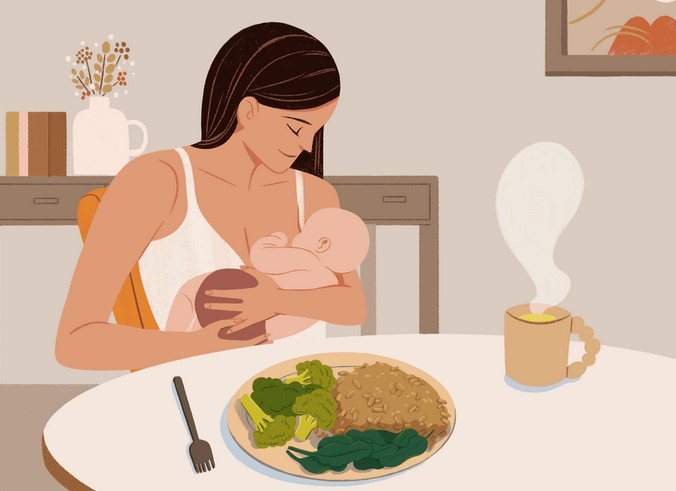
It is 2:00 AM, and the house is dead quiet except for the soft, rhythmic sound of your newborn nursing. You look down at your baby, exhausted but completely captivated, when a familiar pang of anxiety hits your chest. Is my baby getting enough milk? Was that crying fit earlier because my supply is dropping? Did the spicy food I ate at dinner just ruin my milk?
Over my ten years as a health writer and maternal wellness consultant, I have sat with hundreds of new mothers drowning in this exact sea of midnight worry. The internet is flooded with bad advice telling lactating parents they must survive on bland, restrictive diets to avoid upsetting their infants.
The biggest clinical insight I can offer you is liberating: your body is an extraordinary survival machine engineered to prioritize your baby. But lactation is a metabolically demanding sport—it burns an extra 400 to 500 calories per day, which is the equivalent of running a daily five-mile race.
Providing tailored breastfeeding nutrition advice isn’t about restricting your menu; it is about strategically fueling your body so you can sustain a robust milk supply without draining your own biological reserves. Let’s look at how your daily meals shape your milk production and discover what you should eat to optimize your postpartum recovery.
The Lactation Factory: How Your Body Customizes Breast Milk
To understand the relationship between your diet and your milk volume, we need to demystify how your mammary glands actually work.
The Kitchen Filter Analogy
Think of milk production like a highly advanced, ultra-purifying kitchen filter attached to a main water line. The food you swallow doesn’t pass directly into your milk ducts; it goes into your digestive tract, breaks down into basic molecules, and enters your bloodstream.
Your mammary glands then pull nutrients directly from your blood—not your stomach—to synthesize breast milk. This means that if you occasionally eat a slice of pizza or a broccoli spear, those exact foods do not float into your baby’s bottle. Your body filters the good stuff out of your systemic circulation.
The Cost of Personal Depletion
Here is the catch: your body will protect your milk quality at the expense of your own tissues. If your diet lacks calcium, your brain will signal your bones to demineralize, pulling calcium into your milk to protect your infant.
If you don’t follow proper nutritional strategies, you won’t necessarily run out of milk, but you will run out of energy, experience severe postpartum hair loss, and suffer from chronic fatigue. To prevent this, you must treat your plate as a tool for dual recovery.
Power Foods for Lactation: Fueling Your Supply Naturally
While overall caloric intake is king, including specific, nutrient-dense foods known as galactagogues can provide your body with the hormonal and physical support needed to maximize output.
1. Complex Carbohydrates and Beta-Glucans
Your body requires massive amounts of carbohydrates to synthesize lactose, the primary sugar found in human milk.
-
The Oats Phenomenon: Whole-grain oats and barley are rich in a specific type of soluble fiber called beta-glucan.
-
The Hormonal Shift: Beta-glucans naturally elevate circulating levels of prolactin, the master hormone responsible for signaling your breasts to synthesize milk. Starting your morning with a warm bowl of oatmeal is a simple, time-tested strategy to encourage a steady yield.
2. High-Quality Proteins and Essential Fatty Acids
Every ounce of milk you produce contains structural proteins and lipids vital for your baby’s rapid brain development.
-
The Power of DHA: Incorporate low-mercury fatty fish like salmon, sardines, and trout into your week. These options are rich in Docosahexaenoic Acid (DHA), an omega-3 fatty acid that directly transfers into your milk to support infant myelination (brain mapping).
-
Lean Muscle Support: Keep chicken breast, eggs, lentils, and grass-fed beef on your shopping list. Adequate protein intake provides the necessary amino acids to rebuild your pelvic floor and uterine tissues postpartum.
+------------------------+---------------------------------------+---------------------------------------+
| Nutrient Group         | Ideal Daily Sources                   | Lactation & Recovery Benefit          |
+------------------------+---------------------------------------+---------------------------------------+
| Galactagogues / Fibers | Steel-cut oats, barley, brown rice,   | Stabilizes blood sugar; naturally     |
|                        | and flaxseeds.                        | elevates serum prolactin levels.      |
+------------------------+---------------------------------------+---------------------------------------+
| Essential Lipids       | Wild salmon, avocados, walnuts, and   | Enriches the caloric density of milk;  |
|                        | extra virgin olive oil.               | boosts infant neurological growth.    |
+------------------------+---------------------------------------+---------------------------------------+
| Micro-Nutrients        | Spinach, kale, eggs, and fortified    | Replaces maternal iron stores lost    |
| (Iron & Calcium)       | plant-based milks.                    | during childbirth; thwarts fatigue.   |
+------------------------+---------------------------------------+---------------------------------------+
The Hydration Blueprint: Managing Fluid Balance Without Obsession
There is a stubborn myth in the parenting community that if you force yourself to drink gallons of water every day, your milk supply will miraculously double. This is a physiological misunderstanding.
The Fluid Equilibrium
Your body uses a sophisticated feedback loop governed by oxytocin—the hormone responsible for the let-down reflex (the releasing of milk from the ducts). While being severely dehydrated will absolutely hurt your milk volume, over-hydrating past the point of comfort does not create extra milk. In fact, forcing excessive fluids can sometimes dilute your body’s essential electrolytes, leaving you feeling sluggish.
The Simple Rule: Drink to thirst, plus a little extra. A fantastic habit is to place a tall glass of water or an electrolyte-rich coconut water next to your favorite nursing chair. Every time your baby latches, take a few deep sips. Let your infant’s nursing schedule act as your personal hydration reminder.
Expert Advice and Hidden Warnings
Navigating your diet during this delicate period requires avoiding common modern pitfalls.
💡 Pro Tip: The Power of Fat-Blockers for Clogged Ducts: If you are prone to painful clogged milk ducts or localized inflammation, your milk might have a higher viscosity (thickness). Try adding a daily supplement of sunflower lecithin. Lecithin is a natural emulsifier that increases the polyunsaturated fatty acids in your milk, making it less sticky and allowing it to flow smoothly through the narrow milk ducts without forming plugs.
⚠️ Watch Out for the Postpartum Deceived Dieting Trap: Do not fall into the trap of starting a restrictive, low-carbohydrate ketogenic or severe calorie-deficit diet during the first six to twelve weeks postpartum. A rapid drop in caloric intake forces your body into a perceived state of starvation. Your brain will view this as an unsafe environment to raise an infant, and it will immediately downregulate your milk supply to preserve your life. Give your body grace; the weight will naturally shift as long as you focus on whole, unrefined foods.
Your Practical Step-by-Step Meal Planning Guide
Ready to apply this breastfeeding nutrition advice to your busy week without stressing over complex recipes? Use this simple, scannable menu framework to optimize your days:
-
Breakfast (The Prolactin Booster): A bowl of rolled oats topped with a tablespoon of ground flaxseeds, a handful of walnuts, and a sliced banana. Pair with a warm cup of herbal nursing tea.
-
Lunch (The Cellular Repair Plate): A large spinach and kale salad topped with grilled chicken or hard-boiled eggs, sliced avocado, and a light olive oil dressing.
-
Afternoon Snack (The Energy Stabilizer): A handful of almonds, a piece of whole fruit, or a scoop of Greek yogurt. This stabilizes blood sugar and stops the 4:00 PM cortisol spike.
-
Dinner (The DHA Density Meal): Baked salmon or dark-meat chicken served with a side of roasted sweet potatoes and sautéed asparagus.
Nurturing the Mother to Feed the Child
Breastfeeding is one of the most physically beautiful yet exhausting chapters of motherhood. It is easy to become so consumed with counting wet diapers and tracking your infant’s weight gain that you completely forget to care for the body that is making it all possible.
By shifting your mindset away from restriction and focusing instead on deep, nutrient-dense nourishment, you give your body the raw materials it needs to thrive. When you take care of yourself, your milk supply naturally follows.
What has been your favorite go-to meal or snack since you started your nursing journey? Are you struggling with a specific food craving or worried about a drop in your supply? Drop your experiences and questions in the comments below, and let’s support each other through this beautiful chapter of life!