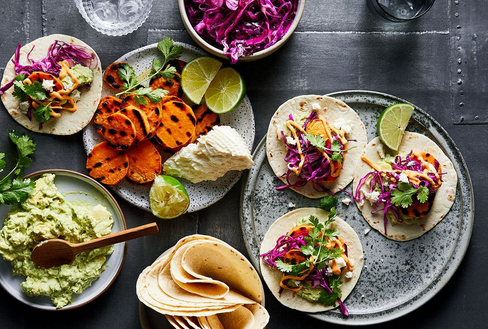
 Healthy Recipes are essential for maintaining energy, supporting overall wellness, and promoting long-term health. Eating nutritious meals does not have to be complicated or time-consuming; with the right ingredients and a few creative ideas, anyone can prepare meals that are both delicious and balanced. From breakfast to dinner, and even snacks, incorporating a variety of nutrient-dense foods ensures that the body receives the vitamins, minerals, and macronutrients it needs to function optimally. By exploring simple and practical options, it becomes easier to build a sustainable eating routine that supports both taste and health.
Breakfast: Fuel for a Productive Day
The first meal of the day sets the tone for energy levels, focus, and metabolism. Healthy breakfast recipes focus on combining protein, fiber, and healthy fats to keep you full and energized until your next meal.
One simple option is a Greek yogurt parfait layered with fresh berries, chia seeds, and a sprinkle of nuts. This combination provides protein, antioxidants, and omega-3 fatty acids while maintaining low added sugars. Another easy idea is avocado toast on whole-grain bread topped with poached eggs and a pinch of spices, which delivers complex carbohydrates, healthy fats, and essential vitamins.
Smoothies are also versatile breakfast options. A blend of spinach, frozen berries, banana, and plant-based protein powder creates a nutrient-dense drink that can be consumed on-the-go. Adding seeds such as flax or hemp further boosts fiber and protein content, supporting digestive health and prolonged satiety.
For those preferring a warm start, oatmeal can be transformed into a nutrient powerhouse. Cooked with milk or a dairy-free alternative, oats can be topped with cinnamon, nuts, and fruit. This combination offers complex carbohydrates, antioxidants, and micronutrients like magnesium and potassium, providing sustained energy throughout the morning.
Lunch and Dinner: Balanced, Satisfying Meals
Lunch and dinner are opportunities to incorporate a wider range of nutrients, emphasizing lean proteins, whole grains, and colorful vegetables. Simple recipes can be both satisfying and easy to prepare, eliminating the need for processed foods.
One example is a quinoa salad with roasted vegetables, chickpeas, and a lemon-tahini dressing. Quinoa provides complete protein and fiber, while roasted vegetables supply vitamins, minerals, and antioxidants. Chickpeas add an extra protein boost and help maintain stable blood sugar levels. This recipe is ideal for meal prepping, as it can be stored in portions and enjoyed throughout the week.
Stir-fries are another convenient option. Using a mix of seasonal vegetables, lean protein such as chicken or tofu, and a light sauce made from soy sauce, ginger, and garlic creates a quick and nutritious meal. Serving the stir-fry over brown rice or cauliflower rice ensures a balance of complex carbohydrates and fiber while keeping the meal satisfying.
Sheet-pan meals are perfect for those with limited time. Placing salmon, sweet potatoes, and broccoli on a single tray, lightly seasoned with herbs and olive oil, allows for easy cleanup and a nutrient-rich dinner. Salmon is high in omega-3 fatty acids, sweet potatoes provide complex carbohydrates and vitamin A, and broccoli delivers fiber and antioxidants—all essential components for overall health.
Healthy Snacking and Dessert Ideas
Healthy Recipes are not limited to main meals; snacks and desserts can also be nutritious and indulgent. Simple options like hummus with vegetable sticks, roasted chickpeas, or mixed nuts provide protein, fiber, and healthy fats while reducing reliance on processed snacks.
For dessert, fruit-based treats such as baked apples with cinnamon or chia pudding with coconut milk offer natural sweetness and additional nutrients. Incorporating these options into daily routines encourages balanced eating and helps prevent overconsumption of sugar-laden foods, which can affect energy and metabolism.
In addition, preparing snacks in advance ensures they are convenient when hunger strikes. Portioning nuts, cutting vegetables, or preparing energy balls with oats, nut butter, and honey allows for quick access to satisfying and health-supportive options.
Practical Tips for Incorporating Healthy Recipes
To make healthy cooking sustainable, it is helpful to plan meals ahead of time, use seasonal ingredients, and embrace simple cooking techniques such as steaming, roasting, or sautéing. Batch cooking and meal prepping reduce stress during busy weeks and ensure that nutritious meals are always available.
Balancing macronutrients—protein, carbohydrates, and fats—in every meal helps maintain energy levels and supports bodily functions. Including a variety of colors on the plate ensures an array of micronutrients, antioxidants, and fiber. Lastly, being mindful of portion sizes and eating slowly enhances digestion and prevents overeating.
In conclusion, Healthy Recipes provide practical and delicious ways to nourish the body from morning to night. By focusing on nutrient-dense ingredients, simple preparation methods, and balanced meals, individuals can support energy, mental clarity, and overall well-being. Incorporating a variety of proteins, vegetables, whole grains, and healthy fats into daily routines ensures that eating healthily is both enjoyable and sustainable, making long-term wellness achievable for everyone.