Elliptical Training: The Best Full-Body Cardio Workout

Source:https://www.fitnessgallery.com

In the pursuit of effective cardiovascular fitness, many individuals seek workouts that provide maximum benefit while minimizing strain on the joints. Elliptical Training has emerged as one of the most efficient and versatile forms of cardio exercise, combining low-impact movement with the engagement of both the upper and lower body. Whether you are a beginner looking to improve endurance or an experienced athlete aiming to diversify your routine, the elliptical machine offers a comprehensive approach to cardiovascular health. Understanding the benefits, techniques, and strategies for elliptical workouts can help individuals optimize their fitness results.

The Mechanics and Benefits of Elliptical Training

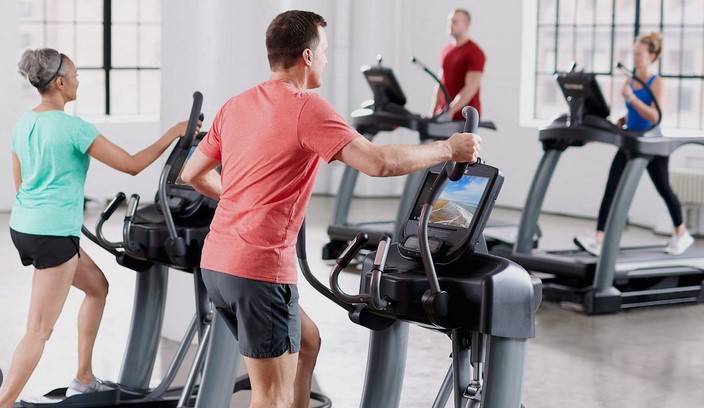
Elliptical machines are designed to mimic natural walking, running, or stair-climbing motions without the high-impact stress associated with these activities. The pedals move in a smooth, circular motion while handlebars allow for coordinated upper body engagement, creating a synchronized full-body workout. This dual-action feature distinguishes the elliptical from many other cardio machines, as it simultaneously targets muscles in the legs, glutes, core, arms, and shoulders.

One of the primary benefits of elliptical training is its low-impact nature. Unlike running on hard surfaces, which can place significant strain on the knees, hips, and lower back, elliptical movement reduces joint stress while still providing effective cardiovascular exercise. This makes it an excellent option for individuals recovering from injury, those with arthritis, or anyone seeking a safer alternative to high-impact workouts.

In addition to joint-friendly exercise, elliptical training improves cardiovascular endurance and overall stamina. Consistent use strengthens the heart, increases lung capacity, and enhances circulation, leading to better oxygen delivery to tissues. These cardiovascular improvements are linked to reduced risk of heart disease, lower blood pressure, and improved metabolic health.

Maximizing Muscle Engagement and Calorie Burn

While the elliptical is often perceived as a lower-body workout, proper technique can significantly increase upper body involvement and calorie expenditure. Engaging the arm handles during each stride activates muscles in the chest, back, and arms, while maintaining an upright posture strengthens core muscles. Adjusting resistance and incline levels further challenges muscles in the legs and glutes, creating a more intense and dynamic workout.

Interval training on the elliptical is particularly effective for improving fitness and burning calories. Alternating periods of high-intensity effort with moderate recovery allows the body to experience cardiovascular stress and adaptation without overexertion. This approach not only enhances endurance but also promotes fat loss and metabolic efficiency. For beginners, starting with shorter intervals and gradually increasing intensity is recommended to avoid fatigue and maintain proper form.

Customizing elliptical workouts can also prevent plateauing and keep routines engaging. Many machines offer pre-programmed options such as hill climbs, heart rate-based workouts, and endurance programs. These features allow users to target specific fitness goals, whether it’s improving cardiovascular health, building muscular endurance, or achieving weight management objectives.

Incorporating Elliptical Training into a Balanced Fitness Routine

To achieve comprehensive fitness benefits, elliptical training should be combined with other forms of exercise. Strength training complements cardiovascular work by improving muscle tone, bone density, and joint stability. Stretching and mobility exercises enhance flexibility, reduce the risk of injury, and aid recovery. Together, these elements create a well-rounded routine that addresses multiple aspects of health and fitness.

Consistency is key when incorporating elliptical workouts into a weekly schedule. For most individuals, 3–5 sessions per week, lasting 20–45 minutes, provide measurable cardiovascular improvements. Monitoring heart rate during workouts helps ensure that training occurs within the target heart rate zone, optimizing fat burn and aerobic capacity. Tracking progress over time, such as distance, resistance levels, and duration, can increase motivation and provide insight into fitness gains.

Hydration and nutrition also play an important role in supporting elliptical training performance. Adequate fluid intake maintains energy levels and prevents dehydration, while balanced meals supply the necessary macronutrients for endurance and recovery. Pre- and post-workout nutrition strategies, such as consuming complex carbohydrates and protein, enhance performance and muscle repair.

For individuals seeking variety, combining elliptical workouts with outdoor cardio, swimming, or cycling can prevent boredom and stimulate different muscle groups. Cross-training not only keeps exercise routines interesting but also reduces the risk of repetitive strain injuries.

In conclusion, Elliptical Training provides a highly effective, low-impact, and versatile full-body workout suitable for individuals of all fitness levels. Its ability to combine cardiovascular conditioning with muscular engagement, along with the option for adjustable resistance and interval programs, makes it a superior choice for those seeking comprehensive fitness results. By integrating elliptical sessions into a balanced exercise routine and focusing on proper technique, individuals can maximize health benefits, improve endurance, and achieve long-term fitness goals.
Rowing Machines: Full-Body Workouts Made Simple

Source:https://res.cloudinary.com

When it comes to full-body workouts that target multiple muscle groups at once, few pieces of equipment can match the effectiveness and efficiency of rowing machines. These versatile machines simulate the action of rowing a boat, offering a dynamic cardiovascular workout that engages the arms, legs, back, and core. Whether you’re looking to build endurance, burn fat, or strengthen muscles, rowing machines provide a comprehensive fitness solution that’s accessible for all fitness levels. In this article, we’ll dive into the benefits of rowing machines, the correct form for optimal results, and how you can incorporate rowing into your fitness routine for maximum benefits.

Why Choose Rowing Machines for Full-Body Workouts?

Rowing machines have long been a staple in commercial gyms, but their popularity has surged in recent years as more people discover their unique ability to deliver full-body workouts. Unlike many other cardio machines, such as treadmills or stationary bikes, rowing machines engage almost every major muscle group in your body. From your legs and glutes to your core, back, and arms, rowing provides an intense workout that builds strength while also improving cardiovascular fitness.

One of the key advantages of rowing machines is that they are low-impact, making them suitable for people of all ages and fitness levels. Whether you’re recovering from an injury, looking to improve your cardiovascular health, or building muscle endurance, rowing provides a safe and effective way to achieve your fitness goals without putting unnecessary strain on your joints.

Another notable benefit of rowing is the fact that it combines both aerobic and anaerobic exercises. While the movement itself is cardiovascular, it also requires strength to push against the resistance of the rower’s flywheel. This combination of endurance and strength training makes rowing machines an efficient choice for a total-body workout.

The Health Benefits of Rowing Machines

Rowing is one of the few exercises that can deliver both cardiovascular and strength-building benefits in a single workout. Here are several ways that rowing machines can improve your overall fitness and health:

1. Full-Body Engagement

As mentioned, rowing engages a wide range of muscles, providing a balanced workout for the entire body. Each stroke on the rowing machine involves both pushing and pulling motions, which recruit muscles in your legs (quadriceps, hamstrings, and calves), your core (abdominals and obliques), your back (latissimus dorsi, trapezius, and rhomboids), and your arms (biceps and triceps). This makes rowing machines an excellent choice for those seeking a full-body workout that doesn’t require multiple pieces of equipment.

  • Legs: The initial push-off from the footplate primarily works your quadriceps, hamstrings, and calves. The power in your legs is essential for building strength and endurance.
  • Core: As you lean back to pull the oar handle toward you, your core is actively engaged to stabilize your body and transfer power from your legs to your upper body.
  • Arms & Back: The pulling action works your arms (biceps and triceps), as well as your back muscles (latissimus dorsi and traps). These muscles help control the oar and provide the strength needed for each stroke.

By engaging multiple muscle groups simultaneously, rowing machines provide a time-efficient way to work out your entire body, making them a great option for individuals with busy schedules who want to maximize their workouts.

2. Improved Cardiovascular Health

Rowing is a powerful cardiovascular exercise that can improve heart and lung health. It helps increase your heart rate, improve circulation, and boost overall cardiovascular endurance. Whether you’re rowing at a moderate or high intensity, the continuous movement and rhythm of rowing help elevate your heart rate, giving you a solid cardiovascular workout. Over time, consistent rowing can help lower your risk of heart disease, improve circulation, and enhance overall fitness levels.

3. Fat Burning and Weight Loss

Rowing machines are also effective for burning calories and promoting fat loss. As a full-body workout, rowing can help you burn significant calories in a relatively short amount of time. According to some estimates, a 30-minute rowing session can burn anywhere from 200 to 400 calories, depending on the intensity of your workout and your body weight. By incorporating high-intensity interval training (HIIT) on the rowing machine, you can boost fat-burning potential even further.

Additionally, because rowing engages both your lower and upper body, it can help you build lean muscle mass while simultaneously burning fat, contributing to an overall leaner physique.

4. Low Impact with High Reward

Unlike activities such as running or high-impact aerobics, rowing is gentle on your joints. The smooth, fluid motion of rowing minimizes the risk of injury, making it an ideal option for those with joint pain, arthritis, or those recovering from an injury. Rowing provides an effective cardiovascular and strength workout without putting excessive stress on your knees, hips, or lower back. This makes it a great option for individuals who are looking to stay active without risking injury.

5. Mental Health Benefits

Like other forms of cardiovascular exercise, rowing also helps boost mood and reduce stress. Exercise, in general, stimulates the release of endorphins, the body’s natural “feel-good” hormones, which can improve mental clarity and reduce symptoms of anxiety and depression. The rhythmic, repetitive nature of rowing can also be meditative, allowing you to clear your mind and focus on the present moment.

Proper Form for Maximum Effectiveness

To get the most out of your rowing machine workout and avoid unnecessary strain or injury, it’s essential to use proper form. Here’s a breakdown of the correct rowing stroke technique:

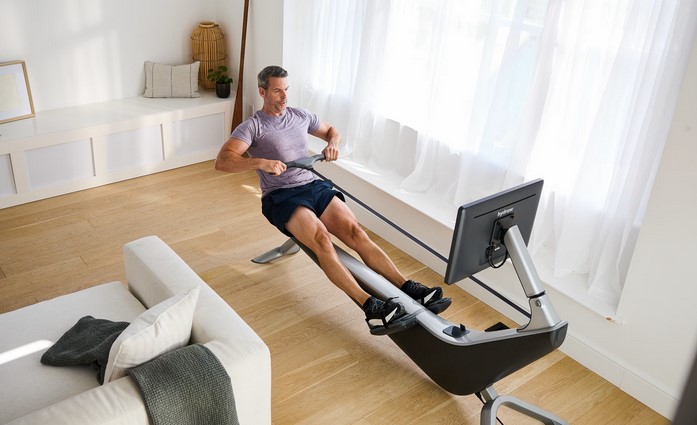
1. Starting Position: Begin by sitting on the seat with your feet securely strapped into the footplates. Keep your knees slightly bent and your shins vertical. Hold the handle with both hands, arms extended straight in front of you, and engage your core.

2. The Drive: Push through your legs first, extending them fully while maintaining a strong posture. As your legs extend, lean back slightly, keeping your back straight. Pull the handle toward your chest, keeping your elbows close to your body. Your arms should follow the motion of your legs, but the initial power should come from your lower body.

3. The Finish: At the end of the stroke, your legs should be fully extended, and the handle should be pulled into your chest. Lean back slightly (but not too far) with your core engaged and shoulders relaxed.

4. The Recovery: To prepare for the next stroke, extend your arms forward and lean slightly forward from your hips. Bend your knees and slide the seat back toward the starting position. This part of the stroke should be smooth and controlled, allowing you to reset for the next drive.

Maintaining proper form throughout the workout will ensure you maximize the benefits of rowing and minimize the risk of injury.

Rowing machines provide a simple yet incredibly effective way to achieve a full-body workout. Whether you’re aiming to build strength, improve cardiovascular health, or burn fat, rowing engages multiple muscle groups simultaneously, making it an efficient choice for people looking to get the most out of their exercise routines. By maintaining proper form, using high-quality equipment, and staying consistent with your workouts, you can unlock the full potential of rowing machines as part of a balanced fitness plan. Incorporating rowing into your routine will not only improve your fitness but also provide you with the mental and physical benefits that come with a well-rounded, full-body workout.

Exercises to Reduce Belly Fat: Targeted Workouts for a Trim Waistline

Source : https://phantom-marca.unidadeditorial.es

Exercises to reduce belly fat can be a great way to get a trim waistline. With the right targeted workouts, you can reduce your waist size and get rid of stubborn belly fat. This article will provide you with some of the best exercises to reduce belly fat and help you achieve your desired waistline. We will discuss the benefits of these exercises, how to perform them correctly, and how to incorporate them into your daily routine. With the right exercises and dedication, you can reduce your belly fat and get the waistline you’ve always wanted.

The Best Ab Exercises to Target Belly Fat: A Comprehensive Guide

If you’re looking to target belly fat, you’ve come to the right place! This comprehensive guide will provide you with the best ab exercises to help you reach your goals.

First, let’s start with the basics. Abdominal exercises are important for strengthening your core muscles and improving your posture. They also help to tone your midsection and reduce belly fat.

The most effective ab exercises are those that target the rectus abdominis, the transverse abdominis, and the obliques. These muscles are responsible for stabilizing your spine and providing support for your torso.

The following exercises are some of the best for targeting belly fat:

1. Plank: This is a great exercise for strengthening your core and toning your midsection. To do a plank, start in a push-up position and hold your body in a straight line for 30 seconds.

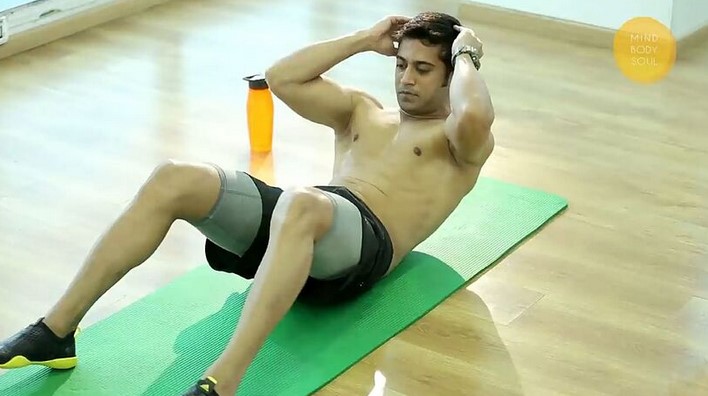
2. Crunches: This classic exercise is great for targeting your rectus abdominis. To do a crunch, lie on your back with your knees bent and your feet flat on the floor. Lift your shoulders off the ground and crunch your abs for 30 seconds.

3. Bicycle Crunches: This exercise is great for targeting your obliques. To do a bicycle crunch, lie on your back with your hands behind your head. Lift your legs off the ground and bring your right knee towards your left elbow. Alternate sides for 30 seconds.

4. Russian Twists: This exercise is great for targeting your obliques and transverse abdominis. To do a Russian twist, sit on the floor with your knees bent and your feet flat on the ground. Lift your feet off the ground and twist your torso from side to side for 30 seconds.

5. Leg Raises: This exercise is great for targeting your lower abs. To do a leg raise, lie on your back with your hands behind your head. Lift your legs off the ground and raise them up towards the ceiling for 30 seconds.

These are just a few of the best ab exercises for targeting belly fat. Remember to always consult with your doctor before beginning any exercise program. With the right exercises and dedication, you can reach your goals and achieve a toned midsection.

How to Incorporate Cardio into Your Exercise Routine to Reduce Belly Fat

If you’re looking to reduce belly fat, incorporating cardio into your exercise routine is a great way to start. Cardio is any type of exercise that increases your heart rate and helps you burn calories. It can include activities like running, swimming, cycling, and even walking. Here are some tips to help you get started:

1. Start slow. If you’re new to cardio, it’s important to start slow and gradually increase the intensity of your workouts. Start with a low-intensity activity like walking and gradually increase the speed and distance as you become more comfortable.

2. Mix it up. To keep your workouts interesting and challenging, try to mix up the type of cardio you do. For example, you could alternate between running and swimming or cycling and walking.

3. Set goals. Setting goals can help you stay motivated and on track. Try to set realistic goals that you can work towards, such as running a certain distance or completing a certain number of laps in the pool.

4. Track your progress. Tracking your progress can help you stay motivated and see how far you’ve come. You can use a fitness tracker or simply write down your workouts in a journal.

By incorporating cardio into your exercise routine, you can help reduce belly fat and improve your overall health. Start slow, mix it up, set goals, and track your progress to help you stay on track. Good luck!Exercises to reduce belly fat are an effective way to achieve a trim waistline. With the right combination of targeted workouts, diet, and lifestyle changes, you can achieve your desired results. It is important to remember that consistency is key when it comes to achieving your goals. With dedication and hard work, you can achieve a flat stomach and a healthier lifestyle.