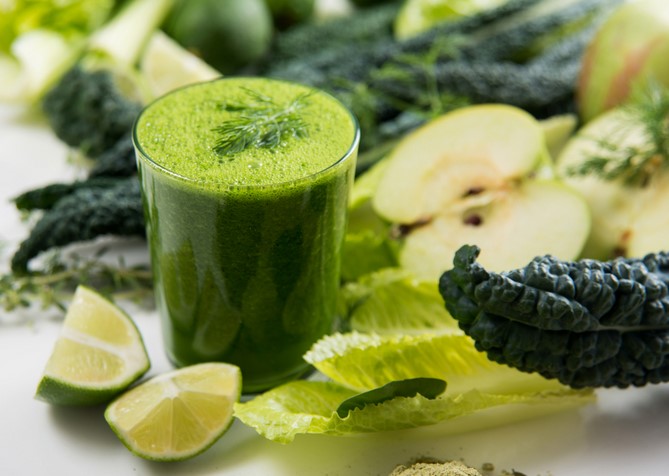
You’ve seen the glossy ads: a glowing influencer holding a swamp-colored juice, promising that a three-day “cleanse” will scrub your insides clean of “toxins” you didn’t even know you had. It sounds tempting, especially after a weekend of indulgence when you feel sluggish and bloated. But here is a statistic that might snap you out of that juice-induced trance: the global detox product market is projected to reach billions of dollars, yet there is virtually zero peer-reviewed evidence that these specific commercial kits do anything your body isn’t already doing for free.
In my twelve years navigating the health industry, I have seen every “miracle” tea, charcoal lemonade, and fasting retreat imaginable. I’ve spoken with people who felt amazing on Detox Diets—not because of the $80 bottled water, but because they finally stopped eating ultra-processed foods for five days. I have also seen the darker side: individuals landing in the ER with electrolyte imbalances because a “tea-tox” acted as a harsh laxative. It’s time we pull back the curtain on what “detoxing” actually means for the human body.
The Waste Management Analogy: Meet Your Internal Janitors
To understand the reality of Detox Diets, imagine your body is a massive, state-of-the-art office building. You don’t need to hire a specialized “Deep Clean Team” from an outside agency every Sunday. Why? Because you already have a 24/7 internal janitorial staff that is world-class.
-
The Liver: This is your lead chemist. It identifies harmful substances and converts them into water-soluble compounds.
-
The Kidneys: These are your high-tech filtration systems, constantly washing your blood and flushing waste out.
-
The Colon and Lungs: These manage the physical disposal of waste and carbon dioxide.
When you buy a “detox kit,” it’s like buying a fancy new broom for a building that already has an automated vacuum system. Unless your janitors (organs) are actually failing, the broom is just an expensive accessory.
Why People Feel “Better” on Detox Diets (The Great Illusion)
If Detox Diets are scientifically questionable, why do so many people swear they feel like a brand-new person after a week of kale juice? As a health writer, I call this the “Subtraction Effect.”
Most people starting a detox simultaneously stop consuming:
-
Refined Sugars: No more mid-day energy crashes.
-
Alcohol: Better sleep and hydration.
-
Ultra-processed Foods: Drastically lower sodium intake, which reduces bloating and water retention.
The “glow” you feel isn’t because the juice is pulling mercury out of your cells; it’s because you stopped pouring “biological sludge” into your system. You feel better because you are finally giving your internal janitors a break, not because the supplement is doing the work for them.
The Technical Side: LSI Keywords and Biological Realities
To understand the true health benefits of supporting your body’s natural systems, we need to look at the technical processes involved in detoxification.
Phase I and Phase II Detoxification
The liver works in two distinct stages. In Phase I, enzymes (specifically the Cytochrome P450 family) break down toxins. In Phase II, the liver attaches another molecule to that toxin (a process called Conjugation) so it can be safely excreted.
Here is the catch: these phases require specific nutrients—like Amino Acids, Sulfur, and B-vitamins—to function. Many “juice fasts” are severely lacking in protein and fat, which means they can actually stall Phase II detoxification, leaving harmful intermediates lingering in your system.
Autophagy: The Real Cellular Clean-Up
Instead of a commercial diet, many researchers point to Autophagy. This is a natural “self-eating” process where cells clean out damaged components. This is typically triggered by exercise or short periods of Intermittent Fasting, not by drinking expensive sugar-water.
Expert Advice and Hidden Warnings
The “Hidden Warning”: Be extremely wary of any “detox” supplement containing Senna or other stimulant laxatives. These are often marketed as “colon cleansers.” Long-term use can make your bowels dependent on them, essentially “firing” your internal janitors and causing chronic digestive issues.
Tips Pro: If you want to actually support your liver, eat Cruciferous Vegetables (broccoli, cauliflower, Brussels sprouts). These contain Sulforaphane, which directly boosts the Phase II enzymes your liver uses to process real-world toxins like air pollution and pesticides.
Scannable Strategies: How to Truly Support Your Health
If you want the benefits of a “cleanse” without the pseudoscientific price tag, focus on these high-impact habits:
-
Hydration is King: Your kidneys need water to filter blood. If you’re dehydrated, no detox tea in the world will help you flush out urea and waste.
-
Fiber Intake: Fiber acts like a “physical broom” in the digestive tract, binding to bile acids and toxins to carry them out of the body.
-
Sweat Regularly: While only a small amount of toxins leave through sweat, regular exercise increases circulation and lymphatic drainage.
-
Sleep: Your brain has its own “dishwasher” called the Glymphatic System, which clears out metabolic waste primarily while you sleep.
The Psychological Hook of the “Reset”
We love the idea of a “reset” because it offers a clean slate. I’ve observed that for many, Detox Diets act as a psychological bridge. It’s easier to start a new healthy lifestyle after a period of strict discipline.
If a “cleanse” helps you mentally commit to eating more whole foods and drinking more water, there is a psychological benefit. Just don’t let the marketing convince you that your body is “dirty” or “toxic” by default. You are a self-cleaning marvel of biological engineering.
Summary: Focus on the Foundation
The truth is that Detox Diets are largely a triumph of marketing over physiology. You don’t need a temporary, restrictive plan to “purify” your blood. You need a sustainable lifestyle that doesn’t overwhelm your liver and kidneys in the first place.
Real health isn’t found in a bottle of expensive juice; it’s found in the consistent, unglamorous habits of eating fiber, staying hydrated, and getting enough sleep. Trust your internal janitors—they’ve been doing this for thousands of years.
What is the most outrageous “detox” claim you’ve ever seen in an advertisement? Have you ever tried a cleanse and found that it actually made you feel worse? Share your experience in the comments below—let’s debunk these “quick fixes” together!