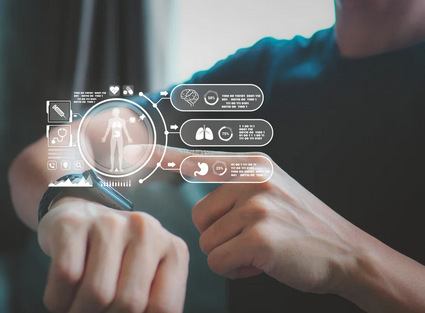
 Wearables for Biohacking are transforming the way individuals approach personal health and wellness, offering real-time insights into everything from sleep patterns and heart rate to stress levels and metabolic function. By integrating advanced sensors, data analytics, and AI-powered feedback, these devices enable users to monitor their bodies continuously and make data-driven decisions to optimize performance, recovery, and overall well-being. Unlike traditional health tools that rely on occasional check-ups or self-reported metrics, biohacking wearables provide a granular, personalized perspective that empowers proactive health management.
Understanding the Role of Biohacking Wearables
Biohacking involves using science, technology, and lifestyle modifications to enhance physical and cognitive performance. Wearables for biohacking are central to this movement because they offer quantifiable data that helps users understand how their bodies respond to different stimuli. These devices are designed to track biometrics such as heart rate variability (HRV), oxygen saturation, glucose levels, body temperature, and even hormone fluctuations, providing insights into sleep quality, stress adaptation, and energy optimization.
One key advantage of these devices is continuous monitoring. While a doctor’s visit provides a snapshot of health at a single point in time, wearables collect longitudinal data, highlighting trends and patterns that would otherwise go unnoticed. This allows users to identify triggers for fatigue, stress, or poor performance and adjust behaviors proactively rather than reactively.
The data from biohacking wearables can also guide personalized interventions. For example, tracking sleep cycles combined with HRV measurements may reveal the optimal time for high-intensity workouts or deep work sessions. Similarly, glucose monitoring can help individuals refine dietary choices for sustained energy and metabolic efficiency. By making these physiological insights actionable, wearables bridge the gap between knowledge and lifestyle change.
The Technology Behind Wearables
Modern biohacking wearables integrate multiple layers of technology to capture and analyze data accurately. Sensors detect electrical, optical, and mechanical signals from the body, converting them into usable metrics. Advanced algorithms interpret these metrics, offering insights into patterns such as circadian rhythm alignment, stress response, and cardiovascular health.
Many devices also incorporate AI-powered coaching. Rather than merely presenting raw data, they provide actionable suggestions to improve sleep, recovery, or physical performance. For instance, an AI-guided wearable may recommend adjusting bedtime based on sleep quality trends, or suggest hydration and movement breaks in response to elevated stress indicators.
Connectivity is another significant advantage. Wearables often sync with smartphones or cloud-based platforms, allowing users to track long-term progress, share insights with healthcare professionals, and integrate multiple health metrics into a single personalized dashboard. This holistic view helps individuals make informed decisions about exercise, nutrition, mental health, and recovery practices.
Practical Applications and Benefits
Wearables for biohacking are applied across multiple domains of health and wellness, making them versatile tools for both casual users and serious performance enthusiasts. In physical fitness, these devices optimize training by tracking heart rate zones, recovery times, and energy expenditure. They help prevent overtraining and reduce the risk of injury by indicating when the body needs rest.
Cognitive health also benefits from wearable biohacking. Devices that monitor sleep, stress levels, and brainwave activity can guide interventions to improve focus, creativity, and emotional regulation. Meditation, mindfulness, and biofeedback exercises can be adjusted based on real-time data to maximize mental clarity and resilience.
Nutrition and metabolic health are further enhanced through continuous monitoring. Wearables can track glucose fluctuations, caloric burn, and nutrient timing, enabling users to fine-tune diet and lifestyle choices. For individuals managing conditions such as diabetes or metabolic syndrome, this level of personalized insight can be transformative.
Additionally, biohacking wearables promote accountability and behavioral change. Real-time feedback makes abstract health goals concrete, providing instant reinforcement or corrective cues. Over time, this cultivates sustainable habits, reinforcing sleep hygiene, consistent activity, stress management, and balanced nutrition.
Importantly, these devices empower users to become proactive participants in their health. Traditional healthcare often relies on reactive interventions, but wearables enable preventative strategies, early detection of physiological anomalies, and informed discussions with healthcare professionals. By integrating data into daily decision-making, users can intervene before minor imbalances escalate into serious health issues.
In conclusion, Wearables for Biohacking are revolutionizing health by combining technology, data, and personalized insights to empower individuals in managing their well-being. Through continuous monitoring, actionable feedback, and holistic tracking, these devices transform abstract concepts like sleep quality, metabolic efficiency, and stress resilience into measurable, adjustable metrics. By leveraging this technology responsibly, individuals can optimize their physical and cognitive performance, improve overall health, and adopt a proactive approach to long-term wellness.