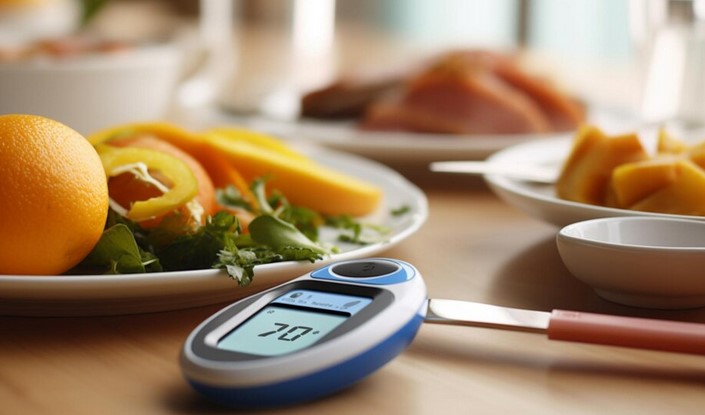
Managing blood sugar levels is a critical part of maintaining overall health, particularly for individuals with diabetes or insulin resistance. One of the most effective strategies for blood sugar control is Carbohydrate Counting, a method that involves tracking the number of carbohydrates consumed in meals and snacks. By understanding how different foods affect glucose levels, individuals can make informed dietary choices, improve insulin management, and maintain consistent energy levels. This article explores the principles of carbohydrate counting, its practical implementation, and strategies to integrate it into daily life for better long-term health outcomes.
Understanding Carbohydrates and Their Impact on Blood Sugar
Carbohydrates are one of the three primary macronutrients, along with proteins and fats, and serve as the body’s main source of energy. When carbohydrates are consumed, they are broken down into glucose, which enters the bloodstream. For most people, the body responds by releasing insulin to regulate blood sugar. However, in individuals with diabetes or impaired insulin function, this process can be disrupted, leading to high or fluctuating blood sugar levels.
Not all carbohydrates affect blood sugar in the same way. Foods with simple sugars, such as candy or sugary beverages, cause rapid spikes, while complex carbohydrates like whole grains and vegetables are digested more slowly, leading to gradual increases. Understanding this distinction is crucial for effective carbohydrate counting and blood sugar management.
Carbohydrate counting involves quantifying the grams of carbohydrates in each meal and adjusting dietary intake or medication accordingly. It empowers individuals to balance meals, reduce post-meal spikes, and achieve better overall glycemic control. Beyond diabetes management, this approach can promote mindful eating, support weight management, and improve nutritional awareness.
How to Count Carbohydrates Effectively
The process of carbohydrate counting starts with understanding food labels and portion sizes. Packaged foods in many countries display the total grams of carbohydrates per serving. By learning to read these labels, individuals can track their intake accurately. Whole or unprocessed foods, such as fruits, vegetables, and grains, require estimating carbohydrate content using standardized reference tables or digital tools.
Practical Steps for Daily Carbohydrate Counting
- Identify Carbohydrate Sources: Start by recognizing foods that contain significant amounts of carbohydrates. These include bread, rice, pasta, cereals, fruits, starchy vegetables, legumes, and sugary treats. Protein, fats, and non-starchy vegetables generally contain fewer carbs and have a smaller impact on blood sugar.
- Measure Portions: Estimating portion sizes is essential for accurate carbohydrate counting. Using measuring cups, kitchen scales, or visual guides (like comparing a fist to a cup) helps ensure consistency. Accurate measurement reduces the risk of unexpected blood sugar fluctuations.
- Track Intake: Maintaining a food diary or using mobile apps can simplify the process. Recording meals, snacks, and beverages along with their carbohydrate content provides insights into patterns and helps with insulin adjustment when needed.
- Adjust Meal Planning: Once carbohydrate intake is known, meals can be balanced with protein, fiber, and healthy fats to stabilize glucose levels. Pairing carbohydrates with other macronutrients slows digestion, minimizing rapid spikes in blood sugar.
- Coordinate With Healthcare Providers: Carbohydrate counting is most effective when aligned with a personalized care plan. Doctors, dietitians, or diabetes educators can help determine target carbohydrate ranges, calculate insulin doses, and adjust meal strategies to individual needs.
Advanced Tips and Considerations
Carbohydrate counting is flexible and can be adapted to lifestyle, preferences, and health goals. Here are some advanced considerations:
- Glycemic Index Awareness: The glycemic index (GI) ranks carbohydrates based on how quickly they raise blood sugar. Combining low-GI foods with higher-GI foods can help maintain stable levels.
- Timing Matters: Spreading carbohydrate intake evenly throughout the day prevents large blood sugar fluctuations. Skipping meals or consuming excessive carbs at once can make management more difficult.
- Mindful Eating: Paying attention to hunger cues, portion sizes, and meal composition can enhance carbohydrate counting accuracy and overall nutrition.
- Special Diets and Cultural Foods: Individuals should adapt counting methods to include culturally significant meals or dietary preferences. Many digital tools and nutrition resources allow for customization to ensure accuracy across diverse diets.
- Physical Activity: Exercise affects carbohydrate metabolism. Tracking both carbohydrate intake and activity levels helps prevent hypoglycemia and optimize energy balance.
In addition, technology can support carbohydrate counting. Mobile apps, wearable devices, and continuous glucose monitors provide real-time feedback, making it easier to adjust meals and medication. While these tools are helpful, they are most effective when paired with foundational knowledge of carbohydrates and portion estimation.
Carbohydrate counting is a practical, evidence-based method for managing blood sugar and supporting overall metabolic health. By identifying carbohydrate sources, measuring portions, and integrating mindful strategies, individuals can improve glycemic control, reduce complications, and maintain consistent energy levels throughout the day. With guidance from healthcare professionals and the use of modern tools, this method can be adapted to individual lifestyles and needs. Practicing Carbohydrate Counting empowers individuals to take control of their diet, make informed choices, and achieve long-term health and wellness.