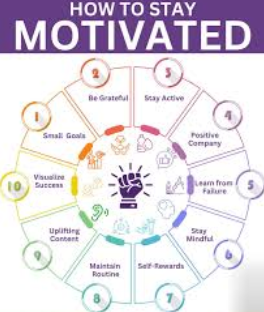
 Mindset for Success is often described as the mental framework that drives individuals to achieve their goals while maintaining overall well-being. Success is not solely determined by talent or opportunity—it is heavily influenced by how a person approaches challenges, maintains focus, and sustains motivation over time. Cultivating a mindset that balances ambition with self-care enables individuals to pursue goals without compromising health, emotional resilience, or personal satisfaction. Understanding the principles behind this mindset can help anyone develop sustainable strategies for both professional achievement and holistic wellness.
The Foundations of a Successful Mindset
A Mindset for Success begins with self-awareness. Understanding one’s strengths, weaknesses, triggers, and motivators is essential for effective goal setting and sustained effort. Individuals who are self-aware are better able to make informed choices about their priorities, allocate energy efficiently, and maintain focus on what truly matters. Self-awareness also reduces the likelihood of burnout, as individuals can recognize early signs of stress or fatigue and take proactive steps to address them.
Another key foundation is goal clarity. Clear, actionable goals provide direction and motivation, helping individuals navigate distractions and maintain momentum. Effective goal-setting incorporates both short-term milestones and long-term aspirations, creating a roadmap that is both achievable and inspiring. Breaking larger objectives into smaller, measurable steps encourages a sense of progress and builds confidence, reinforcing a positive mindset.
Resilience is also a critical component. Challenges, setbacks, and unexpected obstacles are inevitable, but individuals with a success-oriented mindset approach these difficulties as opportunities for growth. They cultivate problem-solving skills, adaptability, and emotional regulation, which enables them to recover quickly from setbacks and maintain consistent progress toward their objectives.
The Role of Motivation and Discipline
Sustaining motivation requires more than willpower; it is strengthened through habits, routines, and intentional practices. Developing daily routines that align with personal goals helps convert abstract ambitions into actionable steps. For instance, dedicating specific times for exercise, focused work, or mindfulness practices creates structure that supports productivity and health simultaneously.
Intrinsic motivation—engaging in activities that are inherently rewarding—plays a significant role in sustaining long-term commitment. While external rewards, such as recognition or financial gain, can provide short-term drive, internal satisfaction and purpose are more effective for cultivating persistence and avoiding burnout. Aligning personal values with daily actions reinforces commitment and deepens engagement in meaningful pursuits.
Discipline complements motivation by ensuring consistent effort even when enthusiasm wanes. Establishing accountability measures, such as tracking progress, setting deadlines, or collaborating with peers, can help maintain momentum. By integrating discipline into daily routines, individuals develop a sustainable approach to achieving goals without sacrificing physical or emotional health.
Integrating Health into Success Strategies
A Mindset for Success is incomplete without attention to holistic health. Physical wellness supports cognitive function, energy, and resilience, all of which are critical for sustained performance. Regular exercise, balanced nutrition, and adequate sleep create the foundation for consistent mental clarity and emotional stability.
Exercise, for example, not only improves cardiovascular health and strength but also reduces stress and enhances mood. Physical activity releases endorphins, improves focus, and fosters better sleep quality. Nutrition provides the fuel necessary for optimal cognitive performance and energy management, while sleep supports memory consolidation, emotional regulation, and overall recovery.
Mental health practices are equally important. Mindfulness, meditation, or journaling can reduce stress, improve focus, and enhance self-reflection. By incorporating these practices into daily routines, individuals cultivate a calm and resilient mindset that allows them to navigate challenges effectively while maintaining balance.
Work-life balance is another vital factor. Overemphasis on achievement at the expense of personal relationships, recreation, or rest can lead to burnout and decreased productivity over time. Successful individuals recognize the importance of integrating social connection, leisure, and self-care into their routines, which supports sustained motivation and overall satisfaction.
Long-Term Benefits of a Success-Oriented Mindset
Cultivating a Mindset for Success offers lasting benefits beyond immediate goal attainment. Individuals who maintain this mindset often experience greater emotional resilience, improved problem-solving skills, and enhanced confidence in their ability to navigate challenges. Over time, these qualities reinforce a cycle of achievement, well-being, and personal growth.
Additionally, integrating health-conscious practices with goal-oriented strategies fosters a sustainable approach to success. Rather than relying on short-term bursts of effort that lead to exhaustion, individuals develop routines and habits that support consistent progress and long-term vitality. This holistic approach ensures that professional achievements do not come at the expense of physical or mental health.
A success-oriented mindset also promotes adaptability. Life circumstances, goals, and priorities inevitably change, but individuals who cultivate resilience, self-awareness, and disciplined habits are better equipped to adjust without losing momentum. This flexibility is essential for long-term fulfillment and maintaining a balanced, healthy lifestyle.
In conclusion, a Mindset for Success is a comprehensive framework that combines self-awareness, goal clarity, resilience, and health-conscious practices to sustain motivation and well-being. By cultivating mental discipline, aligning actions with personal values, and integrating physical and emotional health into daily routines, individuals can achieve their objectives without compromising overall wellness. Developing this mindset enables a balanced, empowered, and sustainable approach to both success and health, allowing individuals to thrive in all aspects of life.