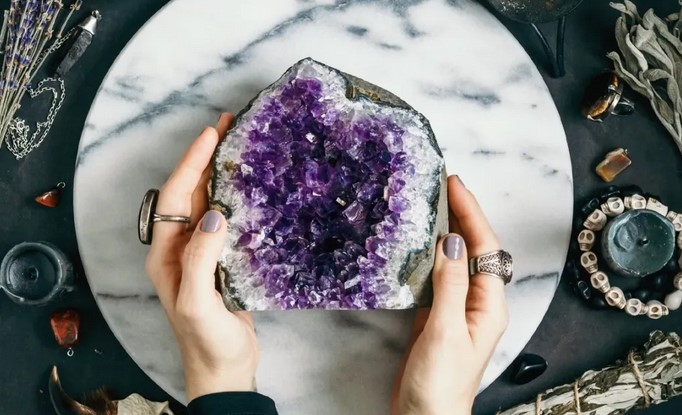
Crystal Healing Basics has gained attention as more people explore complementary approaches to wellness that emphasize balance, intention, and self-awareness. Rooted in ancient traditions and adapted for modern lifestyles, crystal healing is often described as a practice that uses natural stones to support emotional, mental, and physical well-being. While it is not a replacement for medical care, many individuals are drawn to this method as a supportive tool for stress management, mindfulness, and personal growth. Understanding its principles helps clarify how crystal healing is commonly used and why it continues to resonate across cultures.
Foundations of Energy-Based Wellness
Crystal healing is based on the belief that the body and mind are influenced by subtle forms of energy. According to this perspective, emotional stress, mental fatigue, or physical discomfort may be associated with imbalances in these energy patterns. Crystals are thought to possess stable and consistent energetic properties due to their unique molecular structures, formed under intense natural conditions over long periods of time.
Practitioners suggest that when crystals are placed on or near the body, they interact with personal energy fields in a way that encourages harmony. Each type of stone is traditionally associated with specific qualities, such as calmness, focus, or emotional grounding. These associations are often drawn from historical use, cultural symbolism, and observational traditions passed down through generations.
It is important to approach crystal healing with realistic expectations. Scientific research has not conclusively demonstrated that crystals directly alter physical health conditions. However, many people report subjective benefits such as relaxation, improved mood, or increased self-awareness. These effects may be influenced by mindfulness, intention, and the calming rituals that accompany crystal use.
How Crystals Are Believed to Interact With the Body
From a traditional viewpoint, crystals are believed to interact with the body through resonance. The idea is that stable vibrational patterns of stones may help bring consistency to fluctuating emotional or mental states. For example, holding a smooth stone during moments of stress may serve as a grounding practice, encouraging slower breathing and focused attention.
Placement is another common aspect of crystal use. Some individuals place stones in living spaces, carry them throughout the day, or incorporate them into meditation routines. These practices are often designed to reinforce intention rather than produce immediate physical changes. In this way, crystals function as tools for awareness, helping individuals pause, reflect, and reconnect with personal goals for well-being.
Integrating Crystals Into Modern Self-Care
In contemporary wellness practices, crystal healing is frequently combined with other self-care strategies. Rather than being viewed as a standalone solution, it is often integrated into routines that include mindfulness, relaxation techniques, and healthy lifestyle habits. This integration allows individuals to benefit from both symbolic meaning and intentional action.
One of the most accessible ways to incorporate crystals is through meditation. Holding or focusing on a stone during quiet reflection can enhance concentration and encourage a sense of calm. The tactile experience, combined with focused breathing, may help reduce mental distractions and promote emotional clarity. Over time, this practice can support stress management and mental resilience.
Crystals are also used as visual reminders. Placing a stone in a workspace or personal area can serve as a cue to pause, reset posture, or take a mindful breath. These small moments of awareness can have a cumulative effect on stress levels and overall well-being.
Another aspect of crystal healing is its emphasis on personal intention. Selecting a stone based on desired qualities encourages individuals to articulate their goals, whether related to emotional balance, confidence, or relaxation. This intentional focus aligns with broader psychological principles, such as goal setting and positive reinforcement, which are known to support behavioral change.
It is essential to maintain a balanced perspective. Crystal healing should complement, not replace, evidence-based healthcare and healthy habits. Adequate sleep, proper nutrition, physical activity, and professional medical guidance remain central to long-term health. When used responsibly, crystals can function as supportive elements that enhance self-care routines rather than substitutes for treatment.
In conclusion, Crystal Healing Basics offers a framework for understanding how crystals are commonly used to support mindfulness, emotional balance, and personal intention. While its effects are best viewed as complementary, the practice encourages reflection, stress awareness, and purposeful self-care. By integrating crystal use with healthy lifestyle choices and informed expectations, individuals can explore this ancient tradition as a meaningful addition to modern wellness practices.