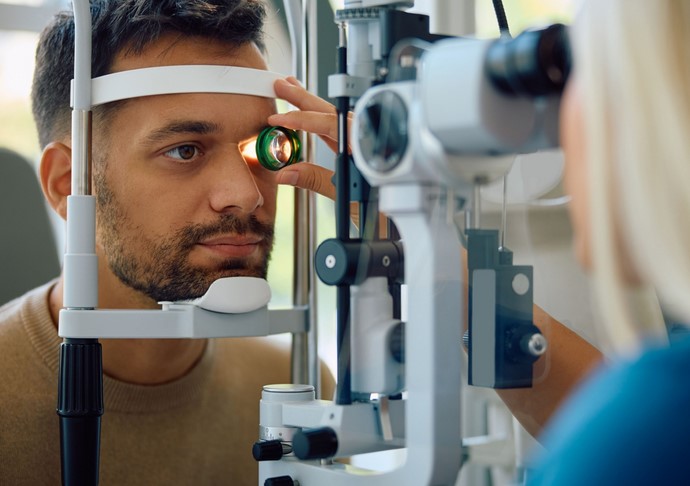
Regular Eye Exams: Why They’re Essential for Maintaining Good Vision

Source:https://griffinoptometric.com

Vision plays a central role in how we learn, work, and interact with the world, yet it is often taken for granted until problems arise. Regular Eye Exams are a proactive measure that supports not only clear sight but also long-term eye health and overall well-being. Many vision changes and eye conditions develop gradually, without obvious symptoms in their early stages. This article introduces the importance of routine eye evaluations, explains what they reveal beyond basic vision correction, and highlights how consistent eye care contributes to lifelong visual health.

The Role of Eye Health in Overall Well-Being

The eyes are complex organs that are closely connected to the brain, nervous system, and circulatory system. Because of this connection, eye health reflects more than just visual clarity. Changes in the eyes can signal broader health concerns, making vision care an important part of preventive healthcare.

Good vision supports daily functioning, productivity, and safety. From reading and driving to digital screen use and physical activity, visual input influences nearly every aspect of life. When vision is compromised, even subtly, it can lead to eye strain, headaches, reduced concentration, and fatigue. Over time, these issues may affect work performance, academic success, and quality of life.

Eye health is also closely linked to aging. As people grow older, the risk of conditions such as cataracts, glaucoma, and age-related macular changes increases. Early identification of these conditions allows for timely management, which can slow progression and preserve vision. Importantly, many serious eye conditions cause little or no pain in their early stages, reinforcing the value of routine evaluations even when vision seems normal.

Children and adolescents also benefit from consistent eye care. Vision plays a key role in learning and development, and undetected vision problems can interfere with reading, attention, and classroom performance. Adults, particularly those who use digital devices extensively, face different challenges such as digital eye strain and dry eyes. Across all life stages, maintaining eye health supports independence, confidence, and overall well-being.

What Happens During a Comprehensive Eye Exam

A comprehensive eye exam is far more than a simple vision check. It is a structured evaluation of how the eyes function and how healthy they are. While specific tests may vary depending on age, health history, and symptoms, the overall goal is to assess both visual performance and ocular health.

Vision testing measures how clearly a person sees at various distances and helps determine whether corrective lenses are needed or need adjustment. However, this is only one component of the exam. Eye movement and coordination tests evaluate how well the eyes work together, which is essential for depth perception and comfortable reading.

Eye pressure measurement is another key element. Elevated eye pressure can be an early indicator of glaucoma, a condition that can lead to permanent vision loss if left untreated. Because glaucoma often develops without noticeable symptoms, routine pressure checks are critical for early detection.

Examination of the internal and external structures of the eye provides valuable information about eye health. Using specialized instruments, eye care professionals can assess the retina, optic nerve, blood vessels, and surrounding tissues. These observations can reveal signs of inflammation, degeneration, or other abnormalities that may not yet affect vision.

Beyond Vision Testing: A Window Into Systemic Health

One of the most significant but less widely understood aspects of eye exams is their role in identifying signs of systemic health conditions. The eyes are the only place in the body where blood vessels and nerves can be observed directly without surgery. As a result, changes in the eyes can offer early clues about overall health.

Conditions such as diabetes, high blood pressure, and certain autoimmune disorders can produce visible changes in the retina and blood vessels. Detecting these signs early allows individuals to seek appropriate medical care and potentially prevent more serious complications. In some cases, eye exams have been the first indication that an underlying health issue exists.

Neurological conditions may also present subtle visual or structural changes in the eyes. Because the optic nerve is part of the central nervous system, its appearance can reflect neurological health. This makes routine eye evaluations a valuable complement to general medical care.

Building a Lifelong Vision Care Routine

Maintaining healthy vision is an ongoing process that extends beyond occasional appointments. A consistent vision care routine combines professional evaluations with daily habits that support eye comfort and function.

Protecting the eyes from environmental stressors is an important part of this routine. Adequate lighting, appropriate screen use, and protective eyewear during activities that pose a risk to the eyes all contribute to long-term eye health. Nutrition also plays a role, as certain nutrients support retinal health and overall visual function.

Awareness of changes in vision or eye comfort is equally important. Blurred vision, persistent dryness, eye pain, or sudden visual disturbances should never be ignored, regardless of age. Prompt attention to these symptoms can prevent minor issues from becoming more serious.

Consistency is key. Vision needs change over time, influenced by age, lifestyle, and health status. Establishing a regular schedule for eye care ensures that these changes are monitored and addressed appropriately, supporting clear vision and healthy eyes throughout life.

Vision is an essential component of daily life and long-term independence, yet many eye conditions develop quietly and without early warning signs. By prioritizing Regular Eye Exams, individuals take an active role in protecting not only their eyesight but also their overall health. Through early detection, preventive care, and ongoing monitoring, routine eye evaluations help preserve vision, support well-being, and contribute to a healthier future at every stage of life.

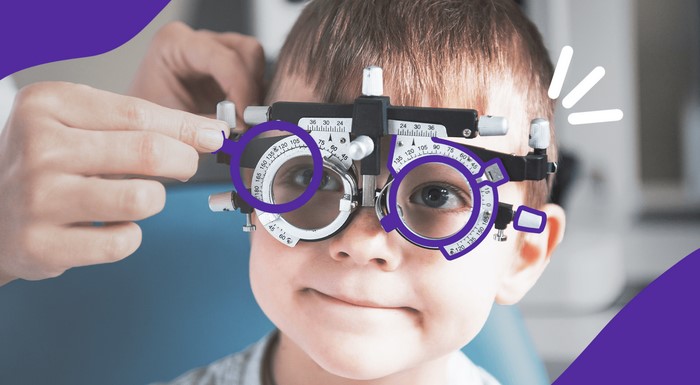
Beyond the Frames: Modern Options for Vision Correction

For decades, the standard response to a blurry prescription was simply picking out a new pair of frames. While glasses remain a timeless fashion statement and a reliable tool for clarity, the world of optometry has expanded significantly. Today, patients have a variety of sophisticated alternatives that suit different lifestyles, from high-impact sports to the desire for a “natural” waking experience.

If you are looking to move beyond traditional eyewear, here is a list of the top options for correcting your vision.

1. High-Index and Specialized Prescription Lenses

Before jumping to alternatives, it’s worth noting that glasses technology has evolved. High-index lenses allow those with strong prescriptions to wear thin, lightweight glasses rather than the thick “coke-bottle” lenses of the past. Additionally, blue-light filtering and office lenses have made glasses more functional for the digital age. However, for many, the physical presence of frames remains a hindrance.

2. Daily and Extended Wear Contact Lenses

Contact lenses are the most common alternative to glasses. Modern silicone hydrogel materials allow more oxygen to reach the eye, making them comfortable for 12 to 16 hours a day. Daily disposables offer the highest level of hygiene and convenience, while multifocal contacts now allow those with presbyopia (age-related near-vision loss) to see both their phone and the horizon without needing bifocal glasses.

3. Orthokeratology (Ortho-K)

One of the most innovative “hidden” corrections is Ortho-K. Unlike standard contact lenses worn during the day, Ortho-K involves wearing specially designed gas-permeable lenses only while you sleep. These lenses gently reshape the cornea overnight. When you wake up and remove them, you can see clearly all day without the need for glasses or daytime contacts. This is an excellent option for athletes, swimmers, or anyone who suffers from dry eyes aggravated by traditional contact lenses. Furthermore, it is a leading method for slowing the progression of myopia (nearsightedness) in children.

4. Laser Eye Surgery (LASIK and PRK)

For a more permanent solution, laser refractive surgery remains a popular choice. LASIK involves creating a small flap in the cornea to reshape the underlying tissue, while PRK removes the outer layer entirely before reshaping. Both aim to correct the way light hits the retina. While the results are often life-changing, these procedures are surgical and require a stable prescription and healthy corneal thickness to be successful.

5. Implantable Collamer Lenses (ICL)

For those who are not candidates for LASIK due to thin corneas or extremely high prescriptions, ICL is a modern alternative. Often described as an “implantable contact lens,” a doctor places a tiny, biocompatible lens behind the iris. Unlike laser surgery, this process is reversible, making it an appealing option for those hesitant about permanent corneal changes.

Choosing the Right Path

Selecting the right vision correction depends on your ocular health, age, and daily activities. While glasses are a great “fail-safe,” options like Ortho-K or daily contacts offer a level of freedom that frames simply cannot match. If you’re tired of your glasses fogging up or slipping down your nose, consult with an optometrist to see which of these modern alternatives fits your life.


Night Vision Support: Tips for Maintaining Healthy Eyes

Source:https://www.singlecare.com

Good vision is essential for our daily lives, yet many people often overlook the importance of maintaining optimal eye health, especially when it comes to night vision. As we age, or even due to various environmental and lifestyle factors, our ability to see clearly in low light conditions can decline. Night vision support becomes crucial in these instances, enabling us to retain clear and comfortable vision during nighttime or low-light situations. In this article, we’ll explore practical tips for maintaining healthy eyes and improving night vision, offering insight into what causes impaired vision in the dark and how to manage it effectively.

1. Understanding the Importance of Night Vision

Night vision refers to the ability to see in low-light conditions or complete darkness. The eye’s ability to adjust to darkness involves several factors, including the retina, the part of the eye responsible for processing light. The retina contains special cells called rods that are responsible for night vision, while the cones in the retina are responsible for color vision and clarity in bright light.

How Night Vision Works

When we move from a brightly lit area to a dimly lit one, the eye adjusts through a process called “dark adaptation.” During this process, the pupils dilate to allow more light to enter, and the rods become more sensitive. This allows us to see more clearly in the dark. However, as we age or face certain health conditions, our ability to adapt to low light decreases, which leads to difficulty seeing at night.

Factors Affecting Night Vision

Several factors can affect night vision, ranging from natural aging processes to specific health conditions like cataracts, diabetes, or vitamin A deficiency. Even lifestyle habits such as smoking or poor diet choices can hinder your ability to see well in low light. Understanding these factors is the first step toward improving and maintaining your night vision support.

2. Tips for Enhancing and Maintaining Night Vision

There are several ways to improve and maintain healthy eyes that support good vision, especially in low-light environments. Here are some key tips:

1. Eat a Nutrient-Rich Diet

A well-balanced diet can do wonders for your eye health, particularly when it comes to nutrients that support vision in dim conditions. Vitamin A, in particular, is a critical nutrient for healthy night vision, as it helps maintain the function of the rods in the retina. Foods rich in vitamin A, such as carrots, sweet potatoes, spinach, and kale, can boost your ability to see in the dark. Additionally, vitamins C and E, zinc, and omega-3 fatty acids also support overall eye health.

2. Quit Smoking

Smoking has been linked to a number of eye conditions that can affect vision, including macular degeneration and cataracts. These conditions can seriously hinder your ability to see clearly, particularly in low light. By quitting smoking, you not only reduce the risk of these conditions but also improve overall eye health, contributing to better night vision support.

3. Practice Eye Exercises

Eye exercises are beneficial for improving the strength and function of the eye muscles. Regularly exercising your eyes can help improve blood circulation to the eyes and promote better function of the retina, which can enhance your night vision. Simple exercises, such as focusing on objects at various distances or blinking frequently, can alleviate eye strain and improve focus during nighttime.

4. Maintain a Healthy Weight and Manage Diabetes

Diabetes can lead to a variety of eye-related complications, including diabetic retinopathy, which affects the retina and can impair vision. Keeping your blood sugar levels under control and maintaining a healthy weight can help prevent these complications. Regular checkups with your healthcare provider are essential to ensure that any early signs of eye damage due to diabetes are detected early.

5. Protect Your Eyes from Harmful Light

Exposure to bright lights, especially blue light emitted by screens, can contribute to eye strain and may negatively impact your ability to see at night. Wearing protective eyewear or blue light-blocking glasses can help reduce the impact of excessive screen time, allowing your eyes to maintain their natural ability to adjust to low light. Additionally, it’s important to limit the use of electronic devices before bed to allow your eyes to rest and avoid disrupting your sleep cycle.

3. Addressing Common Eye Conditions That Affect Night Vision

While lifestyle habits play a significant role in maintaining healthy eyes, certain medical conditions can directly impact night vision. Understanding these conditions and their effects on the eyes is essential for anyone looking to improve their night vision support.

Cataracts and Night Vision

Cataracts occur when the lens of the eye becomes cloudy, impairing vision. As the cataracts progress, they can reduce the clarity of vision, particularly at night. Halos and glare around streetlights or headlights are common symptoms of cataracts. If you are experiencing these symptoms, it’s essential to consult an ophthalmologist to determine the severity of the cataract and explore treatment options, such as surgery.

Retinitis Pigmentosa

Retinitis Pigmentosa (RP) is a genetic disorder that causes the progressive degeneration of the retina’s rods. Since the rods are responsible for vision in low-light conditions, individuals with RP often experience difficulty seeing at night. While there is no cure for RP, certain treatments and lifestyle changes, such as vitamin A supplementation and using low-vision aids, can help improve night vision.

Age-Related Macular Degeneration (AMD)

AMD is a condition that affects the central part of the retina and is most common in individuals over the age of 50. It can lead to a loss of sharp central vision, making it difficult to see clearly, especially in dim light. Early detection is key to managing AMD, and there are treatments available that can slow its progression.

Maintaining healthy eyes is critical for optimal vision, and night vision support is an often-overlooked aspect of overall eye health. By understanding the factors that affect night vision, including aging, poor diet, and specific eye conditions, you can take proactive steps to preserve your ability to see clearly in low-light environments. From incorporating vision-boosting nutrients into your diet to practicing good habits like quitting smoking and managing diabetes, there are several ways to improve and maintain healthy eyes. If you’re experiencing significant difficulty with your night vision, it’s essential to consult an eye care professional who can provide a comprehensive assessment and recommend personalized treatments. By prioritizing night vision support, you can ensure that your eyes remain healthy and strong, helping you navigate the world with confidence—whether it’s day or night.