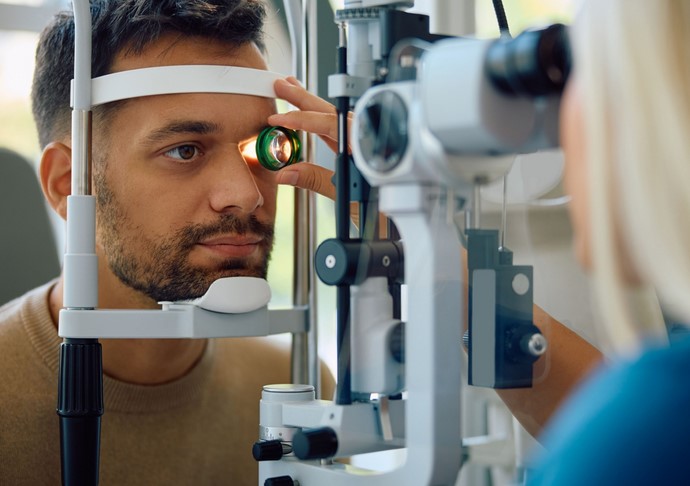
Vision plays a central role in how we learn, work, and interact with the world, yet it is often taken for granted until problems arise. Regular Eye Exams are a proactive measure that supports not only clear sight but also long-term eye health and overall well-being. Many vision changes and eye conditions develop gradually, without obvious symptoms in their early stages. This article introduces the importance of routine eye evaluations, explains what they reveal beyond basic vision correction, and highlights how consistent eye care contributes to lifelong visual health.
The Role of Eye Health in Overall Well-Being
The eyes are complex organs that are closely connected to the brain, nervous system, and circulatory system. Because of this connection, eye health reflects more than just visual clarity. Changes in the eyes can signal broader health concerns, making vision care an important part of preventive healthcare.
Good vision supports daily functioning, productivity, and safety. From reading and driving to digital screen use and physical activity, visual input influences nearly every aspect of life. When vision is compromised, even subtly, it can lead to eye strain, headaches, reduced concentration, and fatigue. Over time, these issues may affect work performance, academic success, and quality of life.
Eye health is also closely linked to aging. As people grow older, the risk of conditions such as cataracts, glaucoma, and age-related macular changes increases. Early identification of these conditions allows for timely management, which can slow progression and preserve vision. Importantly, many serious eye conditions cause little or no pain in their early stages, reinforcing the value of routine evaluations even when vision seems normal.
Children and adolescents also benefit from consistent eye care. Vision plays a key role in learning and development, and undetected vision problems can interfere with reading, attention, and classroom performance. Adults, particularly those who use digital devices extensively, face different challenges such as digital eye strain and dry eyes. Across all life stages, maintaining eye health supports independence, confidence, and overall well-being.
What Happens During a Comprehensive Eye Exam
A comprehensive eye exam is far more than a simple vision check. It is a structured evaluation of how the eyes function and how healthy they are. While specific tests may vary depending on age, health history, and symptoms, the overall goal is to assess both visual performance and ocular health.
Vision testing measures how clearly a person sees at various distances and helps determine whether corrective lenses are needed or need adjustment. However, this is only one component of the exam. Eye movement and coordination tests evaluate how well the eyes work together, which is essential for depth perception and comfortable reading.
Eye pressure measurement is another key element. Elevated eye pressure can be an early indicator of glaucoma, a condition that can lead to permanent vision loss if left untreated. Because glaucoma often develops without noticeable symptoms, routine pressure checks are critical for early detection.
Examination of the internal and external structures of the eye provides valuable information about eye health. Using specialized instruments, eye care professionals can assess the retina, optic nerve, blood vessels, and surrounding tissues. These observations can reveal signs of inflammation, degeneration, or other abnormalities that may not yet affect vision.
Beyond Vision Testing: A Window Into Systemic Health
One of the most significant but less widely understood aspects of eye exams is their role in identifying signs of systemic health conditions. The eyes are the only place in the body where blood vessels and nerves can be observed directly without surgery. As a result, changes in the eyes can offer early clues about overall health.
Conditions such as diabetes, high blood pressure, and certain autoimmune disorders can produce visible changes in the retina and blood vessels. Detecting these signs early allows individuals to seek appropriate medical care and potentially prevent more serious complications. In some cases, eye exams have been the first indication that an underlying health issue exists.
Neurological conditions may also present subtle visual or structural changes in the eyes. Because the optic nerve is part of the central nervous system, its appearance can reflect neurological health. This makes routine eye evaluations a valuable complement to general medical care.
Building a Lifelong Vision Care Routine
Maintaining healthy vision is an ongoing process that extends beyond occasional appointments. A consistent vision care routine combines professional evaluations with daily habits that support eye comfort and function.
Protecting the eyes from environmental stressors is an important part of this routine. Adequate lighting, appropriate screen use, and protective eyewear during activities that pose a risk to the eyes all contribute to long-term eye health. Nutrition also plays a role, as certain nutrients support retinal health and overall visual function.
Awareness of changes in vision or eye comfort is equally important. Blurred vision, persistent dryness, eye pain, or sudden visual disturbances should never be ignored, regardless of age. Prompt attention to these symptoms can prevent minor issues from becoming more serious.
Consistency is key. Vision needs change over time, influenced by age, lifestyle, and health status. Establishing a regular schedule for eye care ensures that these changes are monitored and addressed appropriately, supporting clear vision and healthy eyes throughout life.
Vision is an essential component of daily life and long-term independence, yet many eye conditions develop quietly and without early warning signs. By prioritizing Regular Eye Exams, individuals take an active role in protecting not only their eyesight but also their overall health. Through early detection, preventive care, and ongoing monitoring, routine eye evaluations help preserve vision, support well-being, and contribute to a healthier future at every stage of life.