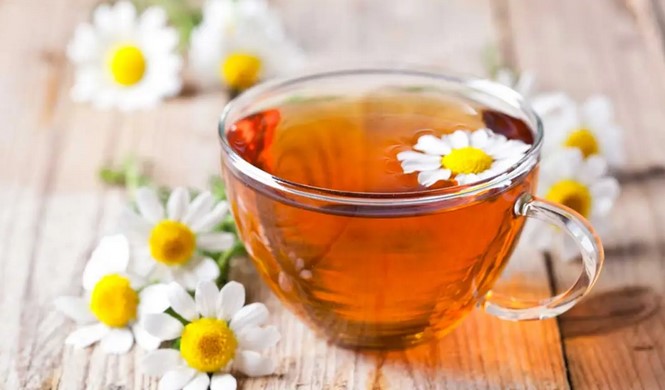
Herbal teas have been used for centuries across various cultures as natural remedies for a wide range of health concerns. With their rich variety of flavors and therapeutic properties, herbal teas for health offer more than just a comforting beverage. From improving digestion to promoting relaxation and boosting the immune system, these teas are packed with beneficial compounds that can enhance your well-being. This article explores the health benefits of herbal teas, highlights some of the most popular herbal blends, and provides tips on how to incorporate them into your daily routine for optimal health.
The Healing Power of Herbal Teas
Herbal teas, unlike traditional teas made from the Camellia sinensis plant (black, green, and oolong), are derived from the leaves, flowers, stems, or roots of various plants. The main appeal of herbal teas lies in their natural healing properties, often attributed to the bioactive compounds found in the plants from which they are made. These compounds include antioxidants, anti-inflammatory agents, essential oils, and other phytochemicals that support health in a variety of ways.
Some of the key benefits of herbal teas for health include:
- Support for Digestive Health: Many herbal teas, such as peppermint and ginger, are known to soothe digestive issues, reduce bloating, and alleviate nausea.
- Stress Relief and Relaxation: Herbal teas like chamomile and lavender have calming effects, which help reduce anxiety and promote better sleep.
- Immune System Boost: Herbs like echinacea and elderberry are often used to strengthen the immune system and ward off illness.
- Anti-inflammatory and Antioxidant Benefits: Many herbs contain powerful antioxidants and anti-inflammatory agents that can help reduce oxidative stress and inflammation, protecting the body from chronic diseases.
Herbal teas are a safe, natural, and enjoyable way to support overall health, but it’s important to choose the right type of tea based on your specific health needs. Below, we’ll dive into some of the most popular and beneficial herbal teas for a variety of purposes.
Popular Herbal Teas and Their Health Benefits
1. Chamomile Tea
Chamomile tea is perhaps one of the most well-known herbal teas for relaxation. Made from the flowers of the Chamomilla recutita plant, this tea is widely regarded for its calming properties.
- Health Benefits: Chamomile is known to help promote better sleep and relieve stress and anxiety. It has mild sedative effects, making it an ideal choice before bedtime. Additionally, chamomile is used to ease digestive discomfort, reduce inflammation, and promote skin health due to its anti-inflammatory properties.
- How to Use: For stress relief, a cup of chamomile tea before bed can help you unwind. If you have digestive issues, drinking chamomile tea after meals can soothe the stomach.
2. Peppermint Tea
Peppermint tea, made from the leaves of the Mentha piperita plant, is refreshing and invigorating. Known for its cool, minty flavor, it’s one of the most popular herbal teas worldwide.
- Health Benefits: Peppermint tea is highly effective for promoting digestive health. It can help relieve symptoms of irritable bowel syndrome (IBS), bloating, and indigestion. The menthol in peppermint also acts as a natural muscle relaxant, helping to reduce headaches and easing tension in the body.
- How to Use: Peppermint tea is particularly helpful after heavy meals to aid digestion. It’s also a great choice for soothing headaches or relieving muscle tension.
3. Ginger Tea
Ginger tea is made by steeping fresh ginger root in hot water. This spicy, warming tea has a long history of use in traditional medicine, particularly for digestive issues.
- Health Benefits: Ginger has powerful anti-inflammatory and antioxidant properties. It is commonly used to alleviate nausea, whether from motion sickness, pregnancy, or chemotherapy treatments. Ginger tea is also known to support digestion, reduce bloating, and even relieve symptoms of arthritis by reducing inflammation.
- How to Use: Ginger tea is ideal for soothing nausea, calming an upset stomach, or boosting immunity. It can be a great option in the winter months to warm the body and ward off colds.
4. Lavender Tea
Lavender tea is made from the flowers of the Lavandula angustifolia plant and is famous for its soothing aroma and relaxing qualities.
- Health Benefits: Lavender tea is best known for its ability to promote relaxation and improve sleep quality. It has been shown to reduce symptoms of anxiety and depression, making it a natural remedy for stress management. Lavender also has mild anti-inflammatory properties that can help alleviate headaches or menstrual cramps.
- How to Use: Lavender tea is best consumed before bed to encourage restful sleep and reduce anxiety. You can also drink it throughout the day to help manage stress and promote relaxation.
5. Echinacea Tea
Echinacea, a flowering plant native to North America, is widely used for its immune-boosting properties. It’s often consumed in the form of tea to prevent or reduce the severity of colds and flu.
- Health Benefits: Echinacea is known for its ability to stimulate the immune system, helping the body fight off infections. It’s commonly used to reduce the duration of cold symptoms and prevent recurring illnesses. Additionally, echinacea has mild anti-inflammatory and antimicrobial properties.
- How to Use: Echinacea tea is ideal for boosting the immune system during cold and flu season. Drinking a cup daily during the winter months can help prevent illness, or you can increase consumption at the first sign of a cold.
6. Lemon Balm Tea
Lemon balm, a member of the mint family, has a mild lemon scent and soothing properties. It has been used for centuries to treat a variety of ailments.
- Health Benefits: Lemon balm is effective at reducing anxiety, promoting sleep, and improving mood. It also supports digestion and can help reduce symptoms of indigestion and bloating. The herb has antiviral properties and is often used to alleviate cold sores caused by the herpes simplex virus.
- How to Use: Lemon balm tea can be enjoyed throughout the day to reduce stress and anxiety. Drinking it before bed can help you sleep better, especially if you suffer from insomnia.
How to Make the Most of Herbal Teas
Incorporating herbal teas for health into your daily routine is simple and enjoyable. Here are a few tips to get the most benefit from your herbal teas:
- Choose the Right Tea: Consider your health needs when selecting a tea. If you’re looking for relaxation, chamomile or lavender is ideal. For digestive support, peppermint or ginger are excellent choices. Always choose teas based on your current wellness goals.
- Drink Fresh: Herbal teas are best when they are freshly brewed. While pre-brewed and bagged teas are convenient, loose-leaf teas retain more of their beneficial compounds. If possible, opt for high-quality loose-leaf tea for better taste and health benefits.
- Add Natural Flavor: For an extra health boost, consider adding a slice of lemon, a spoonful of honey, or a sprig of mint to your herbal tea. These ingredients can enhance flavor and offer additional health benefits such as vitamin C and antibacterial properties.
- Stay Consistent: Like any natural remedy, herbal teas work best when consumed consistently. Make it a habit to drink a cup of your favorite herbal tea every day, whether for relaxation, digestive support, or immune boosting.
In conclusion, herbal teas for health are more than just a tasty beverage; they are natural remedies that can provide a wide range of health benefits. From soothing digestive issues to promoting better sleep and boosting immunity, these teas offer an easy and enjoyable way to enhance your wellness. Whether you’re looking for stress relief, digestive support, or a natural way to fight colds, there’s an herbal tea to suit your needs. By incorporating these teas into your daily routine, you can take a simple step towards improving your overall health and well-being.