Painful pectoral muscle is a condition that affects the chest muscles, causing pain and discomfort. It can be caused by a variety of factors, including overuse, injury, or medical conditions. Symptoms of painful pectoral muscle can include pain in the chest, difficulty breathing, and difficulty moving the arms. Treatment for painful pectoral muscle typically involves rest, physical therapy, and medications. Recovery strategies may include stretching, strengthening exercises, and lifestyle modifications. This article will discuss the causes, symptoms, and recovery strategies for painful pectoral muscle.
Understanding the Causes of Painful Pectoral Muscles: What You Need to Know
Painful pectoral muscles can be a source of discomfort and frustration for many people. Understanding the causes of this condition can help you take steps to reduce your pain and improve your quality of life. In this article, we’ll discuss the potential causes of painful pectoral muscles and what you can do to manage your symptoms.
The most common cause of painful pectoral muscles is overuse. This can occur when you engage in activities that require repetitive motions, such as weightlifting or swimming. Overuse can also occur when you perform activities that require a lot of force, such as pushing or pulling heavy objects. In addition, poor posture can lead to overuse of the pectoral muscles, as can poor technique when performing exercises.
Injury is another potential cause of painful pectoral muscles. This can occur when you experience a sudden, forceful movement that causes a strain or tear in the muscle. This type of injury can be caused by a fall, a car accident, or a sports-related incident.
In some cases, painful pectoral muscles can be caused by an underlying medical condition. This can include conditions such as arthritis, bursitis, or tendonitis. It can also be caused by an infection or an autoimmune disorder.
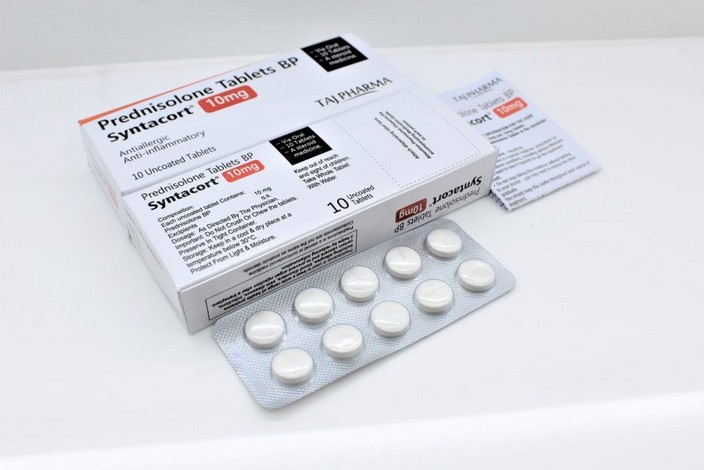
Finally, it’s important to note that some medications can cause painful pectoral muscles. These include certain types of antibiotics, steroids, and chemotherapy drugs.
If you’re experiencing painful pectoral muscles, it’s important to talk to your doctor. They can help you determine the cause of your pain and recommend the best treatment plan for you. Treatment may include rest, physical therapy, medications, or surgery.
In addition to seeking medical treatment, there are some things you can do at home to help reduce your pain. These include avoiding activities that cause pain, stretching regularly, and using heat or cold therapy. You should also make sure to practice good posture and use proper technique when performing exercises.
By understanding the causes of painful pectoral muscles, you can take steps to reduce your pain and improve your quality of life. If you’re experiencing pain, talk to your doctor to determine the best treatment plan for you.
Exploring the Symptoms of Painful Pectoral Muscles: How to Identify and Treat
Painful pectoral muscles can be a source of discomfort and can interfere with daily activities. It is important to identify the cause of the pain and to seek appropriate treatment. This article will discuss the symptoms of painful pectoral muscles, how to identify them, and how to treat them.
Symptoms of Painful Pectoral Muscles
Painful pectoral muscles can cause a variety of symptoms, including:
• Pain in the chest area, which may be localized or spread out
• Tenderness or soreness in the chest area
• Difficulty moving the arms or shoulders
• Weakness in the arms or shoulders
• Swelling or inflammation in the chest area
• Difficulty breathing
How to Identify Painful Pectoral Muscles
If you are experiencing any of the above symptoms, it is important to seek medical attention. Your doctor will be able to diagnose the cause of your pain and recommend the best course of treatment.
Your doctor may order imaging tests, such as an X-ray or MRI, to help diagnose the cause of your pain. They may also order blood tests to check for any underlying medical conditions that could be causing the pain.
How to Treat Painful Pectoral Muscles
Once the cause of your pain has been identified, your doctor will recommend the best course of treatment. Treatment options may include:
• Rest: Resting the affected area can help reduce pain and inflammation.
• Ice: Applying ice to the affected area can help reduce swelling and pain.
• Medication: Over-the-counter or prescription medications may be recommended to help reduce pain and inflammation.
• Physical therapy: A physical therapist can help you strengthen the affected muscles and improve range of motion.
• Surgery: In some cases, surgery may be necessary to repair any damage to the muscles or tendons.
Conclusion
Painful pectoral muscles can be a source of discomfort and can interfere with daily activities. It is important to identify the cause of the pain and to seek appropriate treatment. This article has discussed the symptoms of painful pectoral muscles, how to identify them, and how to treat them. If you are experiencing any of the above symptoms, it is important to seek medical attention. With the right diagnosis and treatment, you can reduce your pain and improve your quality of life.In conclusion, painful pectoral muscle can be caused by a variety of factors, including overuse, injury, and medical conditions. Symptoms of this condition can range from mild to severe and may include pain, tenderness, and difficulty moving the affected area. Treatment options vary depending on the cause of the pain, but may include rest, physical therapy, medications, and surgery. Recovery strategies such as stretching, strengthening exercises, and proper nutrition can help to reduce pain and improve overall function.
Orthodontic spacers are an important part of the process of preparing for braces. They are small rubber bands or metal rings that are placed between the teeth to create a small gap. This gap is necessary for the braces to be properly fitted and for the teeth to be moved into the desired position. Orthodontic spacers are typically used in conjunction with other orthodontic treatments such as braces, retainers, and headgear. They are an important part of the process of achieving a beautiful, healthy smile.
Swollen knuckles can be a painful and uncomfortable condition that can affect anyone at any age. It is caused by a variety of factors, including injury, arthritis, and infection. Treatment for swollen knuckles depends on the underlying cause, but may include rest, ice, compression, and elevation. In some cases, medications or surgery may be necessary. It is important to seek medical attention if the swelling does not improve or if it is accompanied by other symptoms. This article will discuss the causes, treatment, and when to see a doctor for swollen knuckles.
A torn pectoral muscle is a serious injury that can cause significant pain and disability. It is most commonly seen in athletes who participate in activities that involve pushing or pulling motions, such as weightlifting, football, and wrestling. The pectoral muscle is a large muscle located in the chest that helps to move the arm and shoulder. When it is torn, it can cause pain, swelling, and difficulty moving the arm. Treatment for a torn pectoral muscle typically involves rest, physical therapy, and possibly surgery. This article will discuss the causes, symptoms, and recovery strategies for a torn pectoral muscle.
Torn Pec Recovery is a comprehensive guide to rehabilitation and healing after a pectoral muscle injury. It provides detailed information on the causes, diagnosis, and treatment of pectoral muscle injuries, as well as advice on how to prevent them in the future. It also offers practical tips on how to manage the pain and discomfort associated with a pectoral muscle injury, as well as how to speed up the healing process. With the help of Torn Pec Recovery, you can get back to your active lifestyle in no time.
Torn ligaments in the top of the foot can be a painful and debilitating injury. The top of the foot is a complex area of the body, and the ligaments that support it can be easily damaged. Common causes of a torn ligament in the top of the foot include sports injuries, falls, and overuse. Treatment for a torn ligament in the top of the foot typically involves rest, ice, compression, and elevation. In some cases, surgery may be necessary. This article will discuss the causes of a torn ligament in the top of the foot, as well as recovery tips to help you heal quickly and safely.
When a loved one experiences a stroke, the journey to recovery often extends beyond the hospital stay. Providing care at home becomes essential, with unique challenges and responsibilities. Here are some important tips to guide you in offering practical and compassionate stroke recovery care in the comfort of your home.
Quick cold sore remedies are a great way to provide relief from the discomfort of oral herpes. Cold sores, also known as fever blisters, are caused by the herpes simplex virus and can be painful and embarrassing. Fortunately, there are a variety of remedies available that can help reduce the severity of symptoms and speed up the healing process. This article will provide an overview of some of the most effective quick cold sore remedies, including home remedies, over-the-counter medications, and prescription medications. With the right treatment, you can find relief from your cold sore symptoms and get back to feeling your best.


The American Board of Prosthodontics (ABP) is a professional organization dedicated to promoting excellence in the field of prosthodontics. Established in 1975, the ABP is the only certifying board recognized by the American Dental Association (ADA) for the specialty of prosthodontics. The ABP is committed to providing the highest standards of care for patients and to advancing the specialty of prosthodontics through rigorous credentialing and continuing education. The ABP is dedicated to promoting the highest quality of care for patients and to advancing the specialty of prosthodontics through credentialing and continuing education. The ABP is committed to providing the highest standards of care for patients and to advancing the specialty of prosthodontics through rigorous credentialing and continuing education.
Blood clots are a serious medical condition that can lead to life-threatening complications if left untreated. Treatment for blood clots depends on the type and severity of the clot, as well as the patient’s overall health. Medical interventions such as anticoagulant medications, thrombolytic therapy, and catheter-directed thrombolysis can be used to treat blood clots. In addition, lifestyle changes such as quitting smoking, exercising regularly, and eating a healthy diet can help reduce the risk of developing blood clots. This article will discuss the various medical interventions and lifestyle changes that can be used to treat and prevent blood clots.